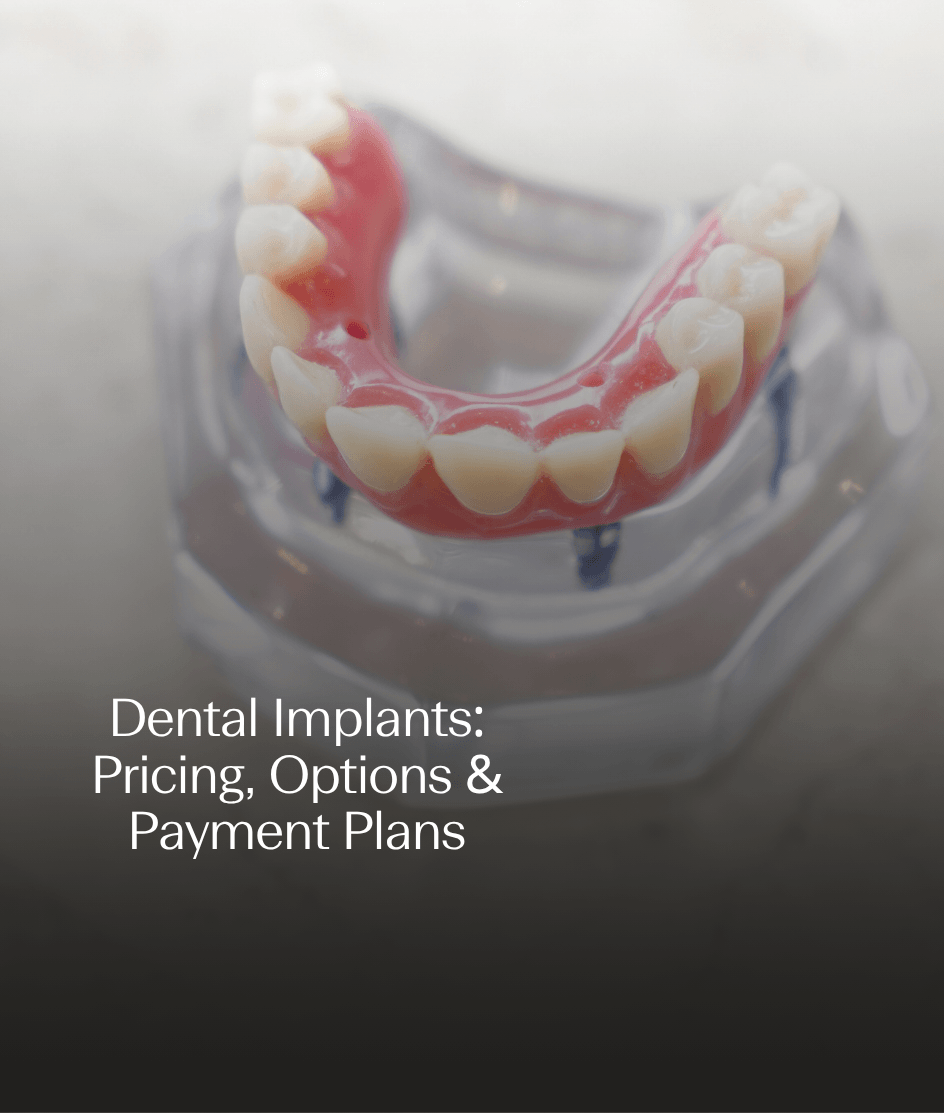





Missing teeth can affect everyday things like eating comfortably, speaking clearly, and feeling confident when you smile. Even simple moments, like choosing what to eat or smiling in photos, can feel different over time.
If you’re exploring ways to replace missing teeth, dentures are one of the most commonly used options.
Full dentures replace all the teeth in a jaw, while partial dentures are used when some natural teeth remain. In general, full dentures are considered when all teeth are missing, while partial dentures may be an option if some healthy teeth can be preserved.
Understanding the difference between the two can help you feel more informed about what might suit your situation.
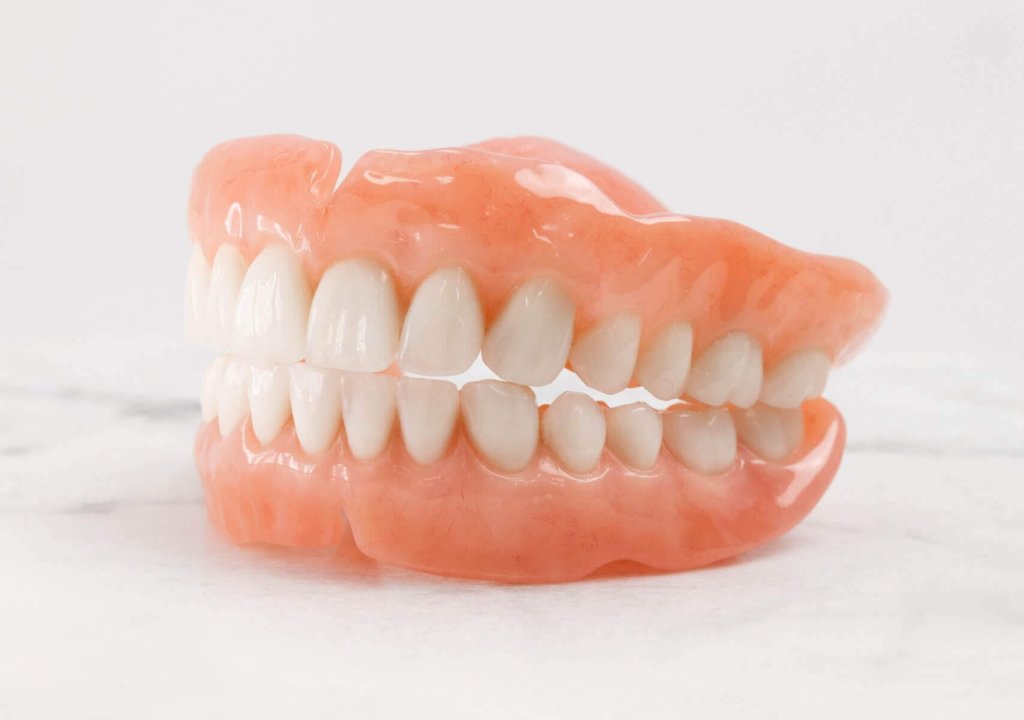
Full dentures vs partial dentures: What are they & what’s the difference?
Dentures are custom-made appliances designed to replace missing teeth and restore function and appearance.
The key difference is how many teeth are being replaced and how the denture is supported in your mouth.
What are full dentures?
Full dentures, also known as complete dentures, are used when all teeth in the upper or lower jaw are missing. They consist of a full arch of artificial teeth attached to a gum-coloured base and sit directly on the gums, shaped to fit the contours of your mouth.
They rely on suction, muscle control, and sometimes denture adhesive to stay in place, which can feel different at first compared to natural teeth. Over time, changes in the jawbone may affect how they fit, so adjustments are sometimes needed.
What are partial dentures?
Partial dentures are used when some natural teeth are still present, allowing you to replace missing teeth while keeping the teeth you still have.
They’re designed to fill the gaps created by missing teeth and are usually supported by the remaining teeth, often using clasps or precision attachments.
Because they work around your natural teeth, they can help maintain bite alignment and prevent neighbouring teeth from shifting. In some cases, they can also be adjusted if your needs change over time.
How do you know which option is right for you?
Choosing between full and partial dentures isn’t always straightforward, especially when balancing comfort, function, and keeping natural teeth where possible.
The number of missing teeth, the condition of your remaining teeth, and your overall oral health all play a role. A dental assessment helps determine which option is appropriate for your individual situation.
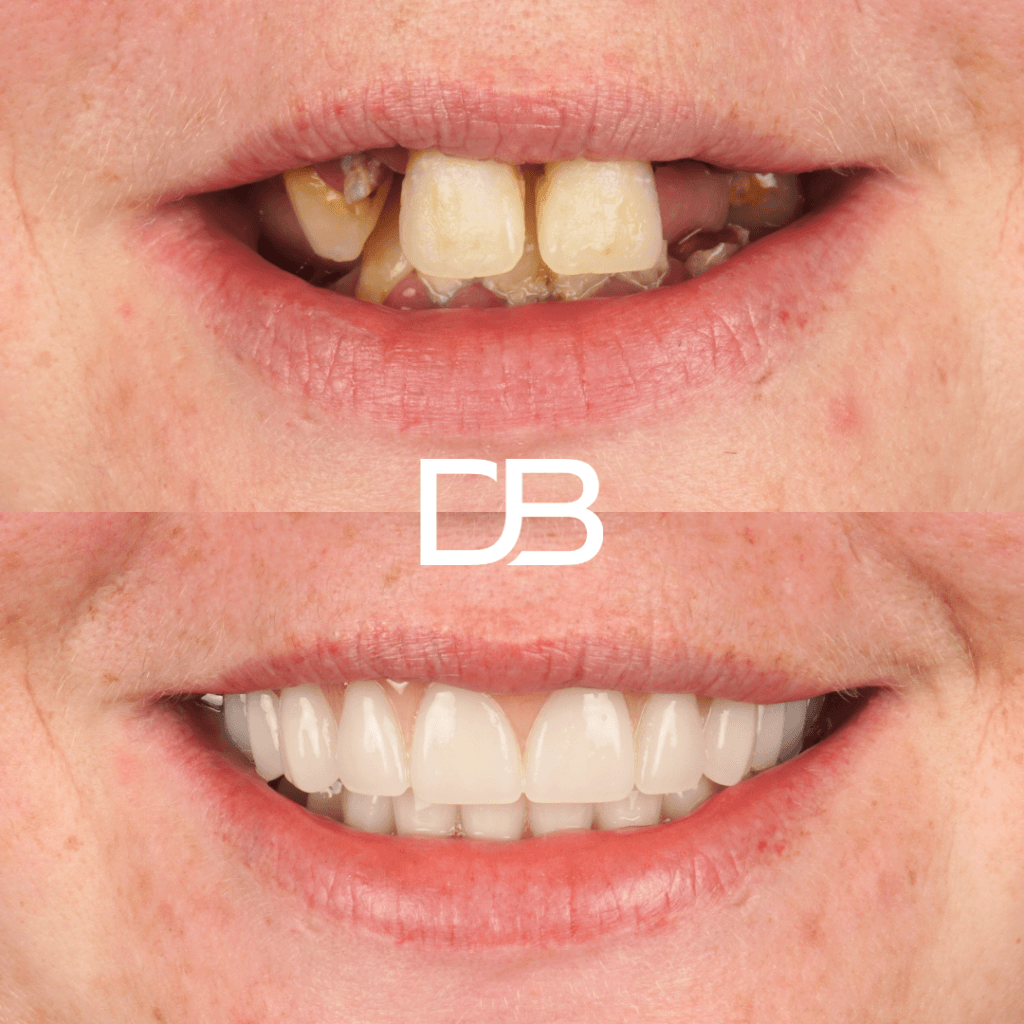
Image taken approx 3 week post treatment
When are full dentures recommended?
Full dentures are typically considered when all teeth in a jaw are missing or need to be removed.
This may occur due to:
- advanced tooth decay
- severe gum disease
- significant tooth damage or wear
- trauma or injury affecting multiple teeth
In some cases, full dentures are planned after remaining teeth are removed if they can’t be restored.
When are partial dentures recommended?
Partial dentures are usually recommended when some healthy natural teeth remain.
They may be suitable when:
- several teeth are missing in different areas
- remaining teeth are strong enough to support a denture
- preserving natural teeth is possible and beneficial
Partial dentures allow you to replace missing teeth while keeping your natural teeth in place, which can feel more stable and familiar for some people.
Full dentures vs partial dentures: pros & cons
Both options aim to restore function and appearance, but they differ in how they feel, function, and are maintained.
Benefits of full dentures
- Replace all missing teeth in a full arch
- Help restore everyday functions like eating and speaking, although some foods may take time to get used to
- Can improve facial support and overall appearance
- Suitable when no natural teeth remain
Considerations with full dentures
- May feel less stable, particularly in the lower jaw or when eating certain foods
- Can take time and practice to speak and chew comfortably
- Bone changes over time can affect how they fit
- May need adjustments or relining over time
Benefits of partial dentures
- Preserve your remaining natural teeth
- Often feel more stable due to tooth support, particularly when eating or speaking
- Help maintain natural bite and alignment
- Can sometimes be adjusted if more teeth are lost
Considerations with partial dentures
- Require healthy supporting teeth
- Clasps may be visible depending on the design
- Need careful cleaning around natural teeth
- May place some pressure on supporting teeth over time

What to expect during the process of getting dentures
Getting dentures usually involves several steps to ensure they fit comfortably and function as intended.
Your consultation & oral assessment
Your dentist will examine your teeth, gums, and jaw to assess your oral health and determine whether full or partial dentures are suitable.
This may include checking:
- how many teeth are missing
- the condition of your gums
- bite alignment
- jaw structure
Dentists consider how the teeth, gums, and jaw work together when recommending denture options.
Tooth extractions if needed
If damaged or non-restorable teeth are present, extractions may be recommended before dentures are made. In some cases, temporary dentures are provided while your mouth heals.
Impressions, fit & adjustments
Impressions of your mouth are taken to create custom dentures that match your anatomy.
Once your dentures are ready, they’re fitted and adjusted to improve comfort, function, and appearance. Several appointments may be needed to refine the fit.
Getting used to speaking & eating with dentures
It’s normal for dentures to feel unfamiliar at first, and most people need a short period to adjust.
With time and practice, many people find it easier to:
- speak more clearly
- chew more comfortably
- wear dentures for longer periods
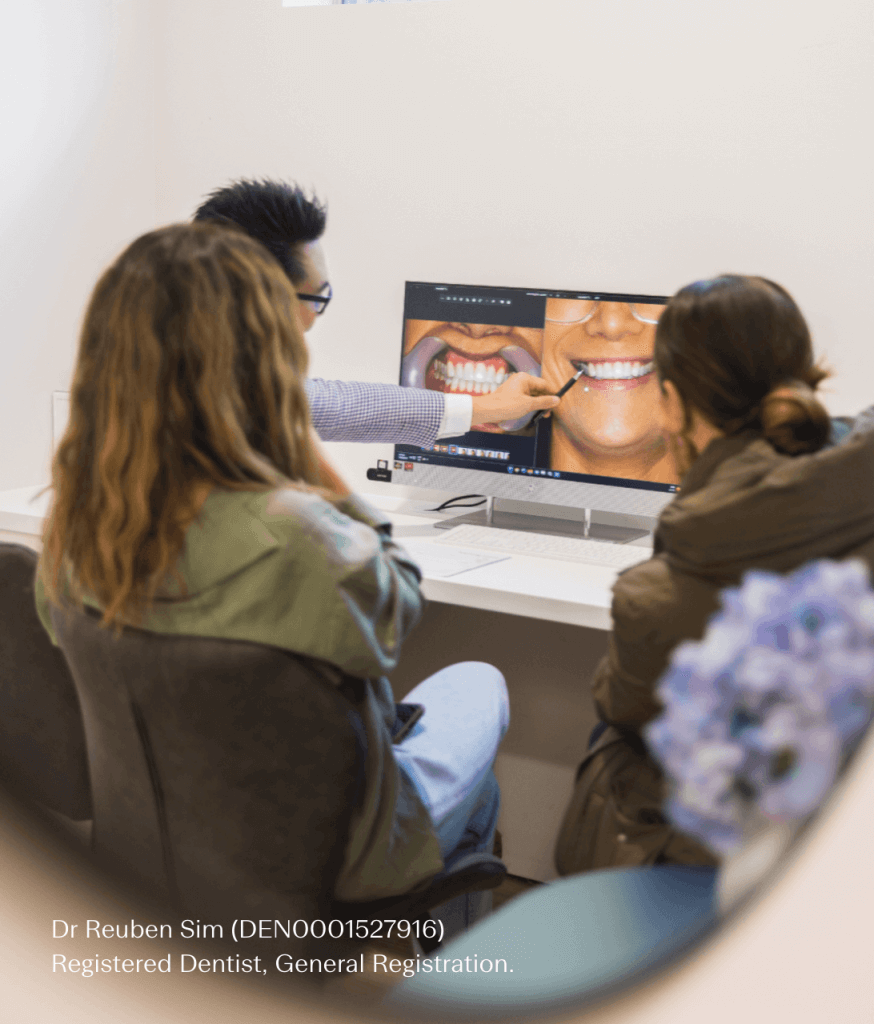
How to choose between full dentures & partial dentures for your situation
Choosing the right option depends on several factors that affect comfort, function, and long-term outcomes.
Number of missing teeth
Full dentures are typically used when all teeth are missing, while partial dentures are used when some natural teeth remain.
Condition of your remaining teeth and gums
Healthy teeth and gums are important for supporting partial dentures. If remaining teeth aren’t stable or can’t be restored, full dentures may be considered instead.
Lifestyle, comfort & stability
Some people prioritise stability when eating, while others prefer to preserve their natural teeth where possible.
Budget & long-term maintenance
Costs and maintenance requirements can vary. A dentist can help you understand what to expect long term.
Are there alternatives to full or partial dentures?
Depending on your situation, there may be other options for replacing missing teeth.
Implant-supported dentures
These dentures are anchored to dental implants, which can improve stability compared to traditional removable dentures.
Dental bridges
Bridges use neighbouring teeth to support artificial teeth and are typically used when only one or a few teeth are missing.
Dental implants
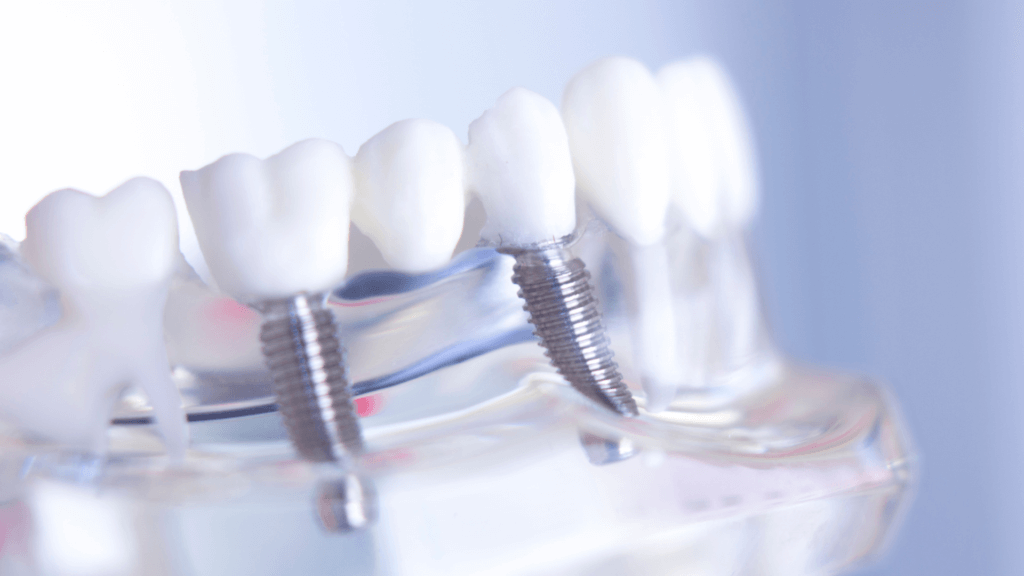
Dental implants replace missing teeth with a fixed solution designed to function similarly to natural teeth. They can be used to replace individual teeth or support full-arch restorations.
When is it time to see a dentist about missing teeth or dentures?
You might consider speaking with a dentist if something doesn’t feel quite right with your teeth or dentures.
This may include:
- missing one or more teeth
- finding certain foods harder to eat
- dentures that feel loose or less secure than before
- a bite that feels uneven or different
A consultation can help clarify what’s happening and what options may be appropriate for your situation.
Summary
- Full vs partial dentures: full dentures replace all teeth in a jaw, while partial dentures are used when some natural teeth remain.
- The key difference is how many teeth are replaced and whether the denture is supported by gums or existing teeth.
- Choosing between them depends on the number of missing teeth, the condition of remaining teeth and gums, and overall oral health.
- Full dentures are typically recommended when teeth cannot be restored due to decay, gum disease, or damage.
- Partial dentures are suitable when healthy natural teeth remain and can support the denture.
- Both options aim to restore function and appearance, but they differ in stability, comfort, and maintenance requirements.