




Dental implant costs can be difficult to compare. A quick online search can reveal everything from single tooth replacement to full mouth rehabilitation, often with vastly different price points attached.
Part of the challenge is that dental implants are not a single treatment. The number of teeth being replaced, the condition of your oral health, the materials used and the complexity of treatment can all influence the final cost.
This guide explores what can affect the cost of dental implants in Australia, the different treatment options available and what is typically included as part of treatment.
What can influence the cost of dental implants?
Dental implant treatment is highly customised. While two patients may both be missing teeth, the treatment required to restore their smiles can look very different.
The number of teeth being replaced, the condition of the surrounding bone and gums, the materials used and whether additional treatment is required can all influence the overall cost.
Understanding these factors can make it easier to compare treatment options and understand what’s included in a quoted fee.

Why dental implant costs can vary between patients
One of the reasons dental implant pricing can be difficult to compare is that the term “dental implants” covers a wide range of treatments.
Replacing a single missing tooth requires a very different level of planning and treatment than restoring multiple missing teeth or an entire arch. While all of these treatments fall under implant dentistry, the procedures, materials and clinical time involved can vary significantly.
For this reason, pricing is typically provided as a guide until a personalised treatment plan has been developed.
The number of missing teeth being replaced
The number of teeth being replaced is one of the biggest factors affecting treatment costs. A single missing tooth may be restored with one implant and one crown.
Where several teeth are missing, treatment can involve multiple implants, implant-supported bridges or full arch solutions. As treatment becomes more extensive, so does the planning, materials and clinical time involved.
Single dental implant vs multiple dental implants
Although the terms are often grouped together, replacing one tooth and replacing several teeth are very different treatment scenarios.
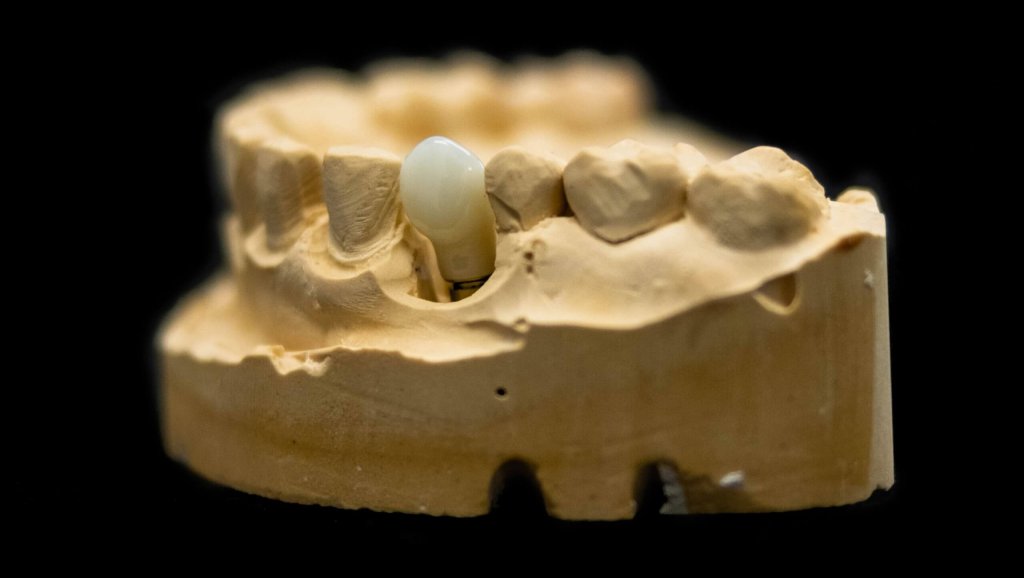
A single dental implant is designed to replace one missing tooth. Multiple missing teeth often require a broader treatment plan that considers bite function, spacing, long-term stability and how restorations will work together. The approach recommended will depend on the condition of the mouth and the goals of treatment.
The condition of your jawbone, gums & oral health
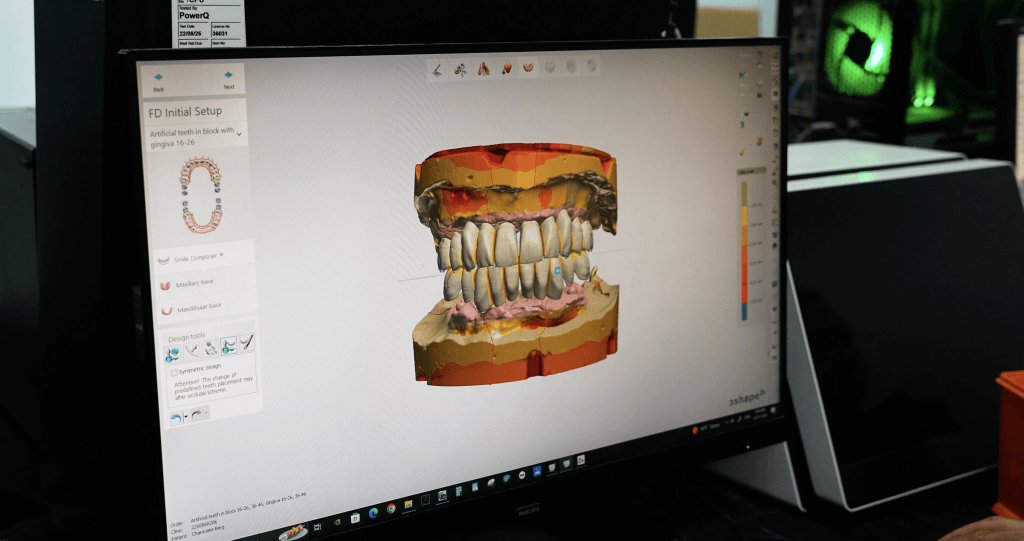
Dental implants rely on healthy bone and gum tissue for support. Before treatment begins, your dentist will assess the condition of these structures and identify any factors that could affect treatment planning.
Bone loss, gum disease and untreated dental problems can influence the complexity of treatment. In some situations, additional procedures are required before implants can be placed, helping to create a healthy foundation for long-term support.
The type of implant material used
Dental implants can be manufactured from different materials, each with its own characteristics.
Titanium implants have been widely used in implant dentistry for decades and are known for their strength and long history of clinical use.
Zirconia implants offer a metal-free alternative and may be discussed in certain situations. The material selected can influence the overall cost of treatment and will be explored later in this guide.
Any pre-treatment dental work needed
Dental implant treatment doesn’t always begin with implant placement. Some treatment plans involve preparatory procedures such as treatment for gum disease, tooth extractions, bone grafting or a sinus lift.
These procedures help address existing oral health concerns and prepare the mouth for the next stage of treatment, which can influence both treatment timelines and overall costs.
Dental implant options at Dental Boutique™
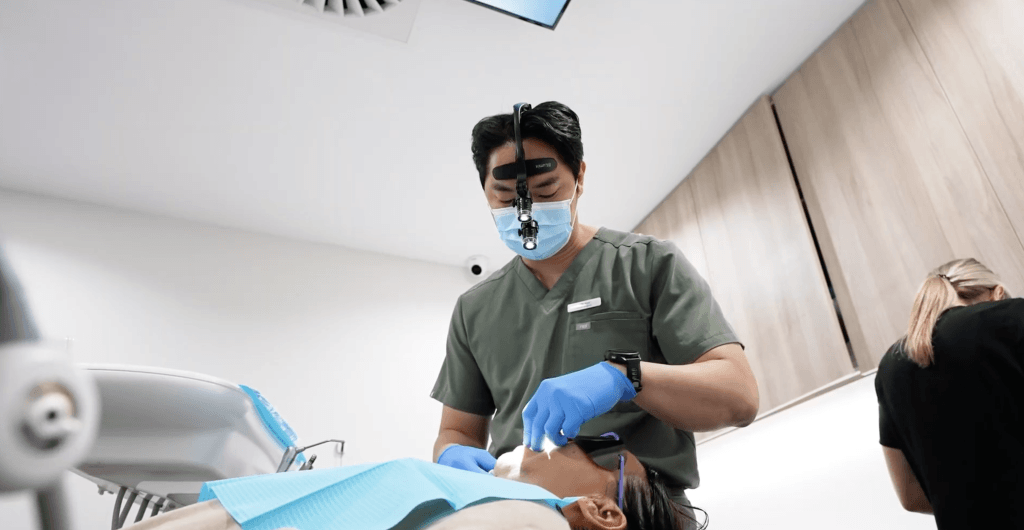
We offer a range of dental implant treatments, from replacing a single missing tooth through to restoring an entire arch of teeth. The most appropriate option depends on factors such as the number of teeth being replaced, oral health, bone levels and treatment goals.
Below is an overview of the implant solutions commonly discussed during treatment planning.
Single dental implants
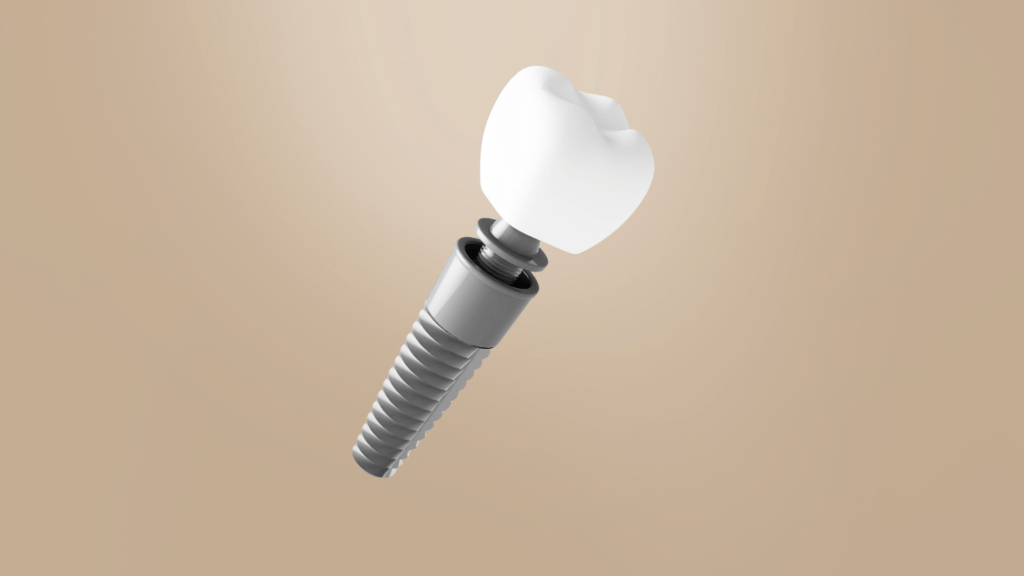
When one tooth is missing, a single dental implant can be used to replace it without relying on neighbouring teeth for support.
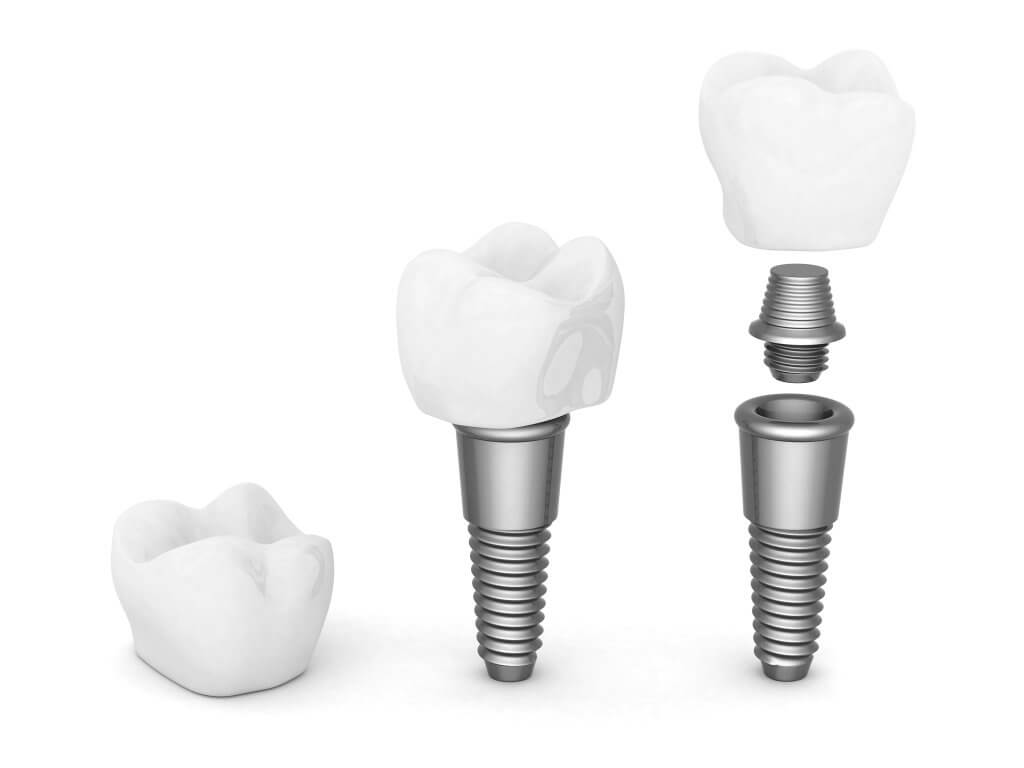
The implant is placed within the jawbone and acts as a replacement tooth root, supporting a custom-made crown designed to fit alongside the surrounding teeth.
Multiple dental implants
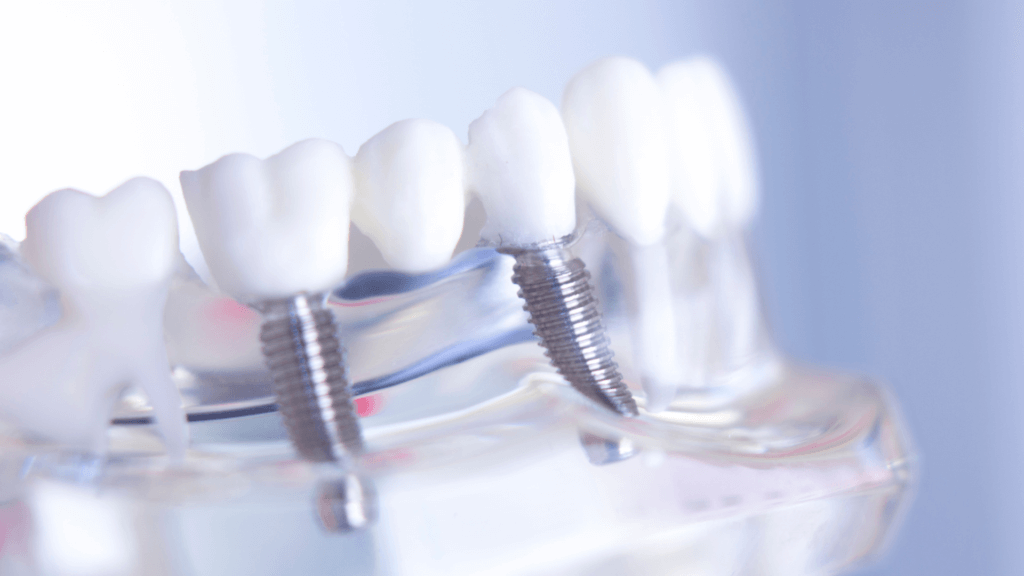
Where several teeth are missing, treatment may involve multiple implants supporting individual crowns or bridges.
The approach depends on the location of the missing teeth, the condition of the surrounding structures and how the replacement teeth will function together as part of the overall smile.
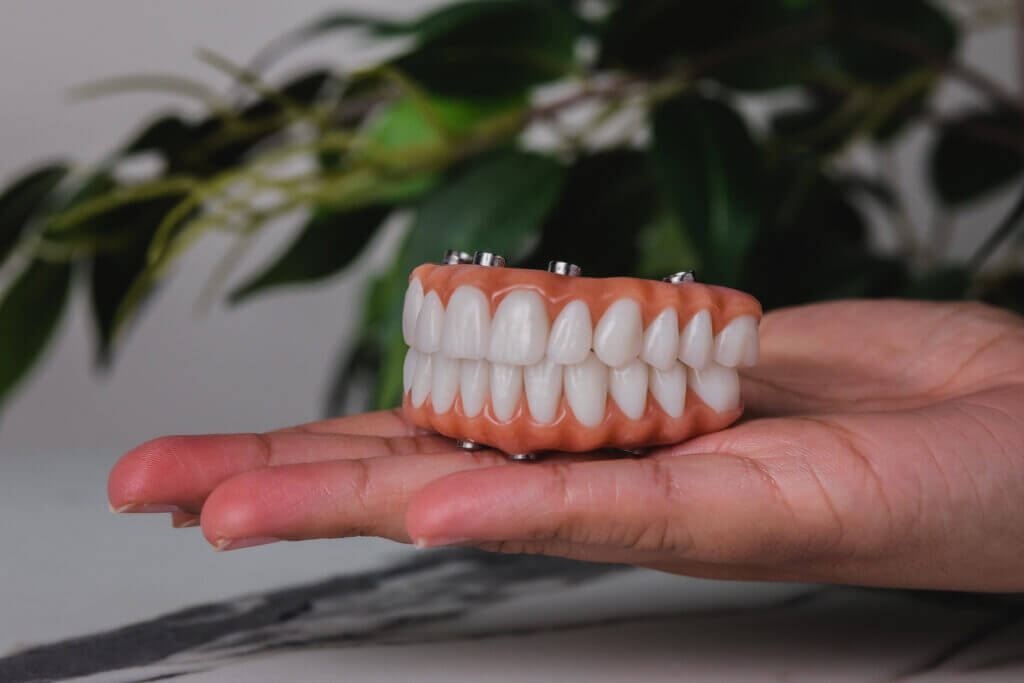
All On Implants™
For patients missing most or all of their teeth, or where extensive dental issues are present, full arch treatment may be considered.
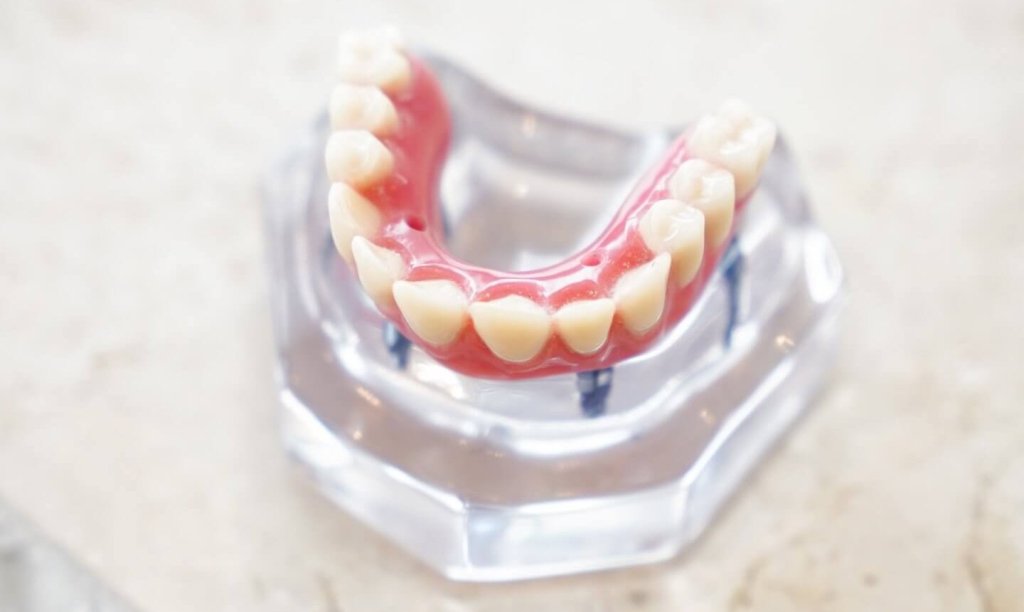
All On Implants™ uses 4 to 6 strategically placed dental implants to support a full arch of replacement teeth. Rather than replacing each tooth individually, the treatment restores an entire upper or lower arch with a fixed implant-supported restoration.
Overdentures
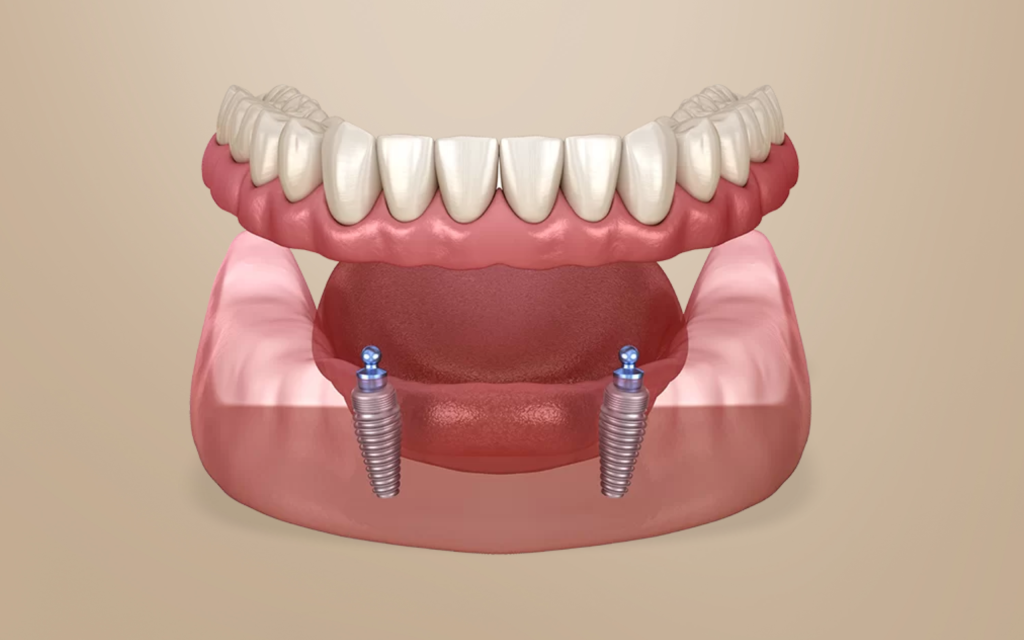
Implant-supported overdentures combine dental implants with a removable denture. This type of dental implant treatment is only suitable for the lower jaw.
The implants provide additional support and retention, helping the denture sit more securely within the mouth while remaining removable for cleaning and maintenance.
Single dental implant cost
The cost of a single dental implant depends on more than the implant itself.
Treatment typically includes an initial consultation, diagnostic imaging, implant placement, a healing period, and the placement of a custom-made crown. Factors such as the complexity of your case and the materials selected can all influence the overall investment.
In Australia, replacing a single tooth with a dental implant, abutment and crown generally ranges from $4,000 to $8,000+, although costs can vary. At Dental Boutique™, every treatment plan is tailored to the individual, with all recommended treatment and associated costs discussed in detail following your consultation.
Payment plan options may be available for eligible patients following a consultation and personalised treatment plan.
Pricing is provided as a guide only and is subject to change. Treatment costs vary depending on individual circumstances, clinical requirements and treatment recommendations. Payment plans are subject to eligibility criteria, lender approval, terms, conditions, fees and charges. Repayment amounts are indicative only and may vary. A consultation is required to determine suitability and provide an accurate personalised quote.
When a single dental implant may be recommended
A single dental implant is commonly considered when one tooth is missing or requires replacement.
Unlike some traditional tooth replacement options, a dental implant is placed directly into the jawbone and supports a crown independently. This means neighbouring teeth do not need to support the restoration.
Single dental implants can be used in different areas of the mouth, including both front and back teeth.
For patients looking to replace a single missing tooth, a consultation provides an opportunity to discuss treatment options, expected timelines and the costs involved.

Multiple dental implants cost
The cost of replacing multiple missing teeth depends on both the number of teeth being replaced and the treatment approach recommended.
In some situations, each missing tooth is replaced with an individual implant and crown. In others, a smaller number of implants may be used to support a bridge that replaces several teeth.
Factors such as the location of the missing teeth, available bone, the materials used and overall treatment complexity can all influence the final cost. A consultation and assessment are required to determine the most appropriate treatment approach and provide an accurate personalised quote.
Implant-supported bridges vs individual dental implants
When several teeth are missing in the same area, replacing each tooth with an individual implant isn’t always necessary.
In some cases, an implant-supported bridge can be used to replace multiple teeth while being supported by fewer implants. This approach can reduce the number of implants required while still restoring the space created by the missing teeth.
The most appropriate option depends on factors such as the number and position of the missing teeth, oral health and long-term treatment goals.
Factors that can affect the overall treatment cost
Several factors can influence the cost of multiple dental implant treatment.
These include the number of implants required, the type of restoration being provided, the condition of the surrounding bone and gums, and whether any preparatory treatment is required before implant placement.
Because every treatment plan is different, costs are typically determined following a comprehensive assessment and treatment planning process.
Full mouth dental implants cost
In Australia, All On Implant treatment for a single arch generally ranges from $20,000 to $45,000+, with costs varying based on the complexity of the case, the materials selected, and the experience of the treating team.
At Dental Boutique™, every All On Implants™ treatment plan is tailored to the individual. Factors such as the condition of the existing teeth, bone volume and quality, the type of restoration selected, and whether treatment is required for one arch or both can all influence the overall cost
During your consultation, your clinician will conduct a comprehensive assessment and provide a personalised treatment plan, outlining the options available and the investment involved.
Pricing is provided as a guide only and is subject to change. Treatment costs vary depending on individual circumstances, clinical requirements and treatment recommendations. Payment plans are subject to eligibility criteria, lender approval, terms, conditions, fees and charges. Repayment amounts are indicative only and may vary. A consultation is required to determine suitability and provide an accurate personalised quote.
What full mouth dental implant treatment may involve
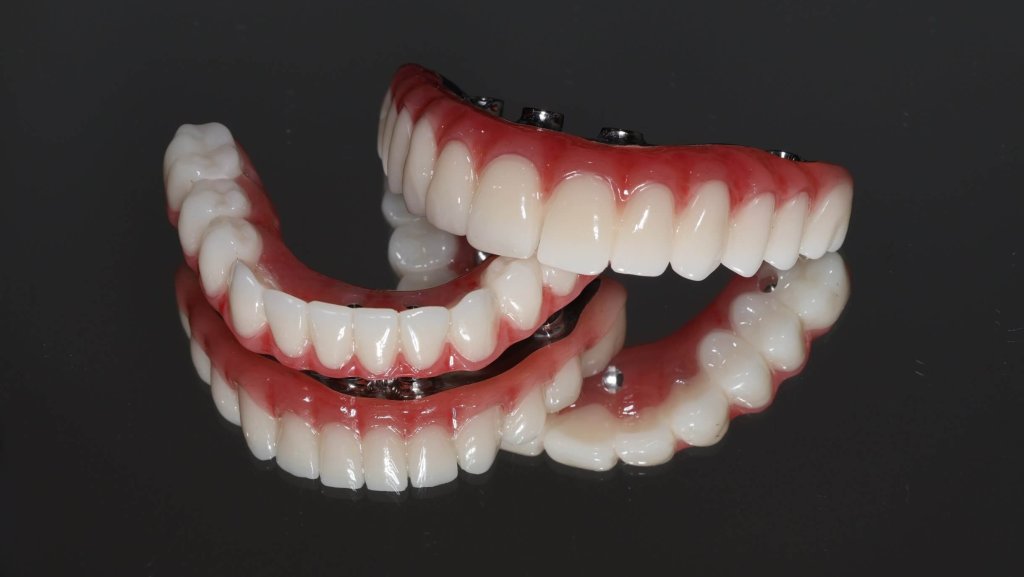
Full mouth dental implant treatment is designed to replace both teeth and the supporting structures that have been lost over time.
Planning typically begins with a comprehensive assessment, including diagnostic imaging and evaluation of the teeth, gums and jawbone. This information helps determine the most appropriate treatment approach and whether any additional procedures are required before treatment proceeds.
Depending on the treatment plan, temporary teeth may be provided during the healing phase before the final restoration is fitted.
How All On Implants™ treatment can differ from single implants
Full mouth treatment, also known as All On Implants™, replaces an entire arch of teeth and gums, whereas a single dental implant replaces just one missing tooth.
One of the key differences is how the replacement teeth are supported. Rather than replacing each tooth individually, All On Implants™ uses 4 to 6 strategically placed dental implants to support an entire arch of replacement teeth.
This approach allows a full arch to be restored using fewer implants than would be required if every missing tooth was replaced individually. It also means treatment planning focuses on the function of the entire smile, rather than a single missing tooth.
Because of the planning, materials and treatment involved, full mouth dental implant costs differ significantly from the cost of replacing one or several individual teeth.
What’s included in the cost of dental implants?
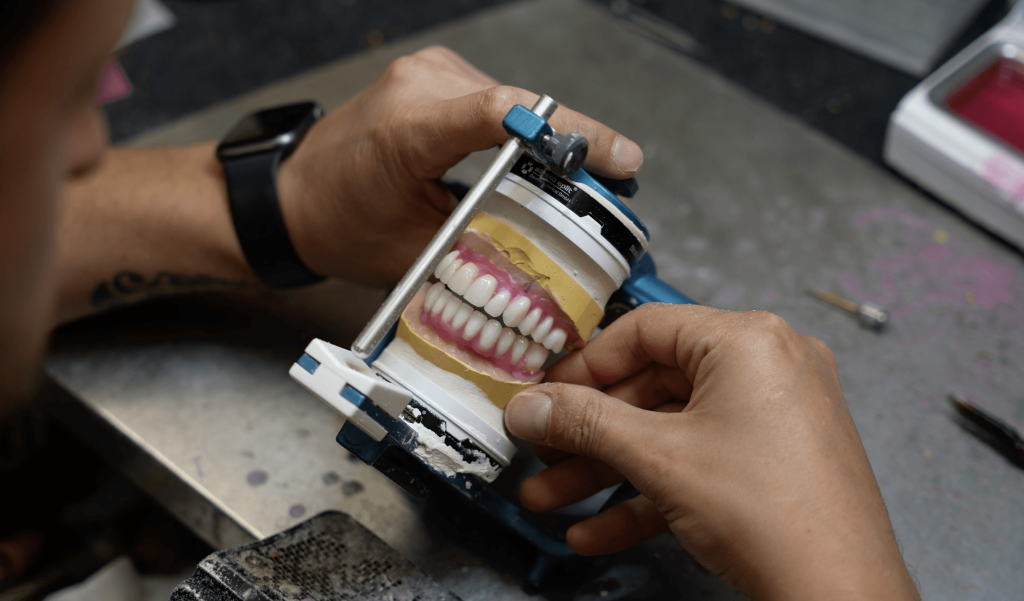
When comparing dental implant costs, it’s important to understand what is included as part of treatment.
While inclusions vary depending on the treatment being provided, costs often extend beyond the implant itself and can include consultation, planning, diagnostic imaging, surgery and the final restoration.
Understanding these components can make it easier to compare treatment options and understand what contributes to the overall cost.
Why do dental implants cost so much?
Dental implant treatment involves more than the implant itself. Costs can include consultation, treatment planning, diagnostic imaging, implant placement, healing reviews and the final restoration.
The complexity of treatment can also influence pricing. Factors such as the number of teeth being replaced, the condition of the bone and gums, the materials selected and whether any preparatory treatment is required can all affect the overall treatment plan.
Understanding what is included as part of treatment can make it easier to compare different options and quoted fees.
Smile Discovery Session
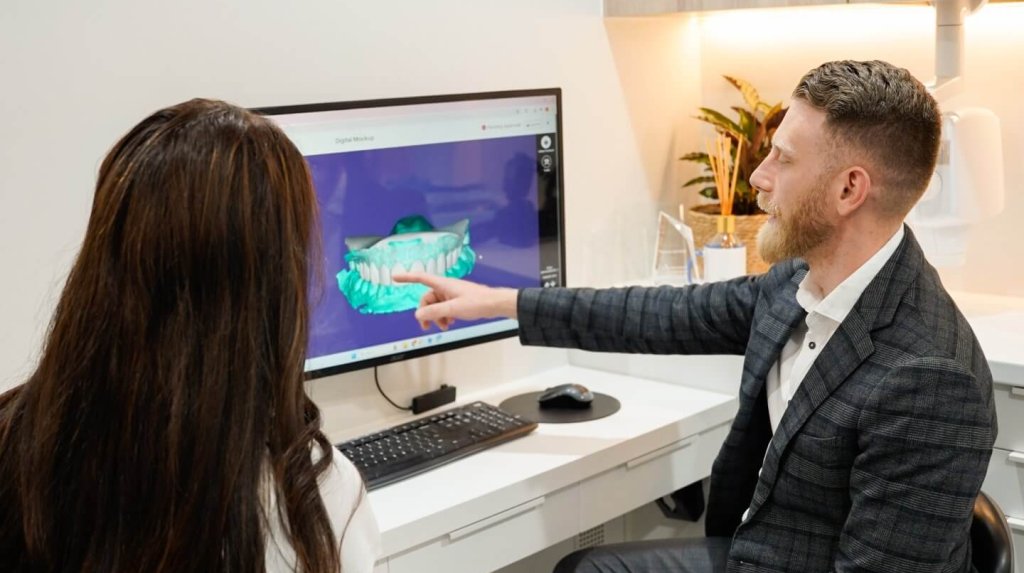
For patients considering dental implants, this complimentary 30-60 minute consultation provides an opportunity to discuss your concerns, understand the available treatment options and gain a clearer understanding of the costs involved.
During the complimentary consultation, you’ll receive:
- Professional full mouth photographs to assess and discuss your current smile and oral health concerns
- A discussion of potential dental implant treatment options based on your goals and circumstances
- Information about treatment costs and available payment options
- A personalised treatment plan and quote tailored to your individual needs
The Smile Discovery Session is valued at $240.
Please note that this appointment does not include a full dental check-up, X-rays, 3D scans or other clinical treatment. If additional diagnostic procedures are recommended, any associated costs will be discussed before proceeding.

Consultation, suitability assessment & treatment planning
A successful dental implant treatment plan begins long before the implant is placed. Before recommendations are made, factors such as oral health, bone levels, gum health, bite function and the condition of any remaining teeth need to be carefully assessed.
This information helps determine whether implant treatment is appropriate and what approach is likely to be most suitable.
Treatment planning is also used to identify any additional procedures that may be required before implants can be placed, helping create a clear roadmap for treatment.
3D scans & computer-guided planning
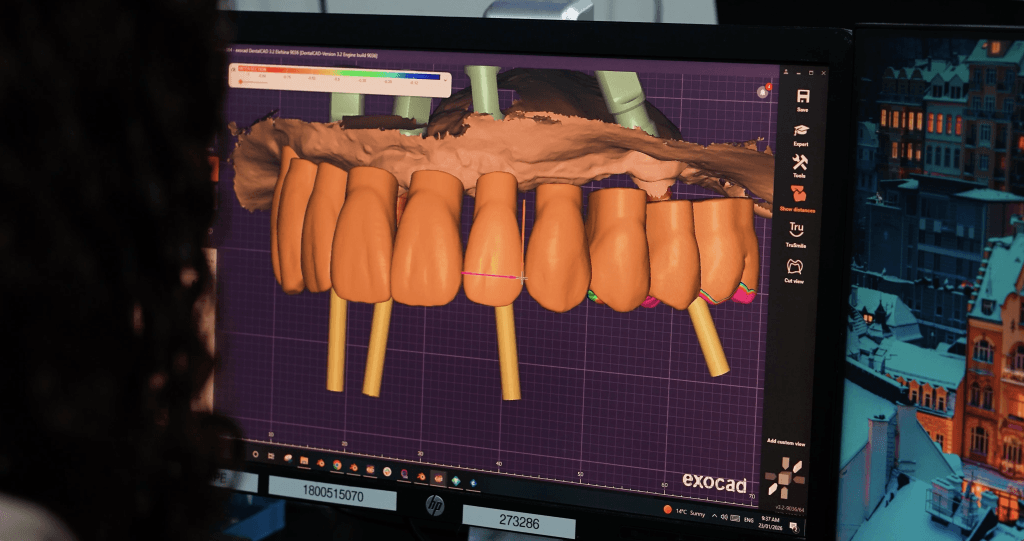
Advanced imaging plays an important role in dental implant planning. A 3D cone-beam scan creates a detailed digital view of the teeth, jawbone and surrounding structures, allowing clinicians to assess implant positioning and treatment requirements before surgery takes place.
This information can also be used as part of a computer-guided planning process, allowing treatment to be planned digitally before the procedure begins. By visualising the treatment in advance, clinicians can develop a more detailed and predictable treatment plan.

Implant surgery, healing & final teeth
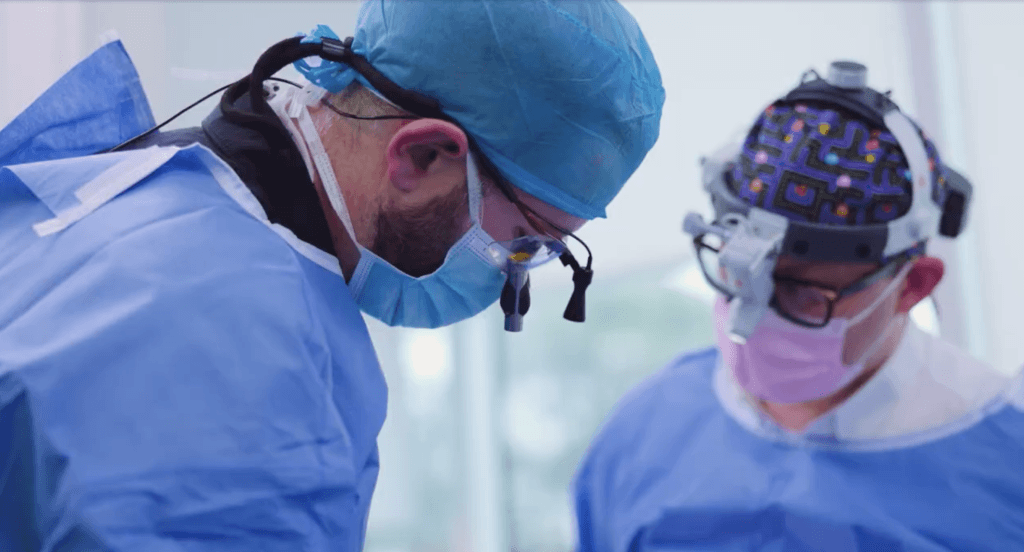
Implant placement is only one stage of the treatment process. Following surgery, a healing period is typically required while the implant integrates with the jawbone.
Depending on the treatment plan, temporary teeth may be provided during this phase before the final restoration is fitted.
The final stage involves attaching the completed crown, bridge or full arch restoration. Regular reviews also form part of the treatment process, helping to monitor healing and the restoration is functioning as intended.
Titanium vs zirconia dental implants
The material used for a dental implant is one of several factors that can influence treatment costs. Titanium and zirconia are two of the most commonly discussed dental implant materials, each with different characteristics and considerations.
The most appropriate option depends on factors such as oral health, treatment goals and individual preferences.
Why implant material may influence cost
As not all dental implants are manufactured from the same materials, factors such as the material itself, the manufacturing process and the restoration can contribute to differences in treatment costs.
This is one of the reasons implant pricing can vary between treatment plans. Your dentist will discuss the available options and explain any cost differences as part of the treatment planning process.
When titanium implants may be discussed
Titanium dental implants have been widely used in implant dentistry for decades and have a long history of clinical use.
They are known for their strength, durability and ability to integrate with the jawbone. For this reason, titanium implants are commonly used across a wide range of implant treatments, from single tooth replacement through to full arch restoration.
When zirconia implants may be discussed
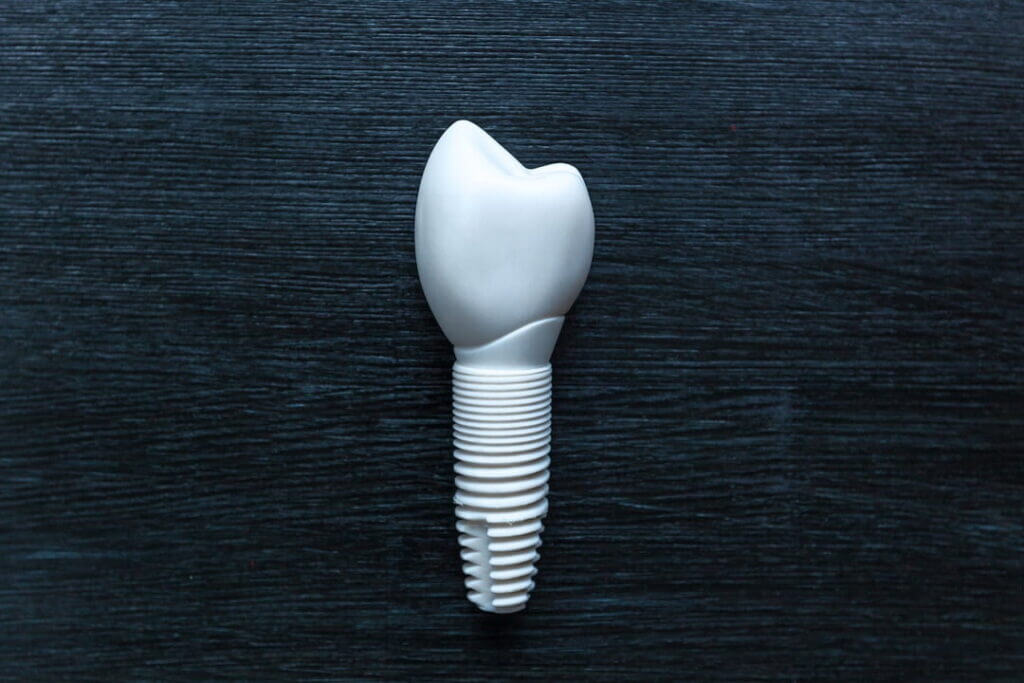
Zirconia implants offer a metal-free alternative to traditional titanium implants. Made from ceramic, zirconia implants may be considered for patients seeking a metal-free option or those with specific preferences regarding implant materials. They are designed to be durable, corrosion-resistant and biocompatible.
The most appropriate implant material will depend on your individual circumstances, and this can be discussed during your consultation and treatment planning process.
Are dental implant payment plans available at Dental Boutique™?
Dental implant treatment is a significant investment, which is why payment plans are available for eligible patients.
At Dental Boutique™, a range of third-party payment options may be discussed during treatment planning, helping patients spread the cost of treatment over time.
The most suitable payment option will depend on factors such as the treatment being undertaken, repayment preferences and lender approval requirements.
During your consultation, available payment options can be discussed alongside your personalised treatment plan and quote.
Payment plans are subject to eligibility criteria, lender approval, terms, conditions, fees and charges.
Why a consultation is needed for an accurate quote
Online pricing guides can provide a useful starting point, but they cannot account for the clinical factors that influence treatment recommendations and costs.
The number of missing teeth, bone levels, gum health, treatment complexity, materials and any additional procedures all play a role in determining the final cost of treatment.
A consultation allows your dentist to assess your oral health, discuss your goals and develop a personalised treatment plan based on your individual circumstances. This process provides a more accurate understanding of both the treatment being recommended and the costs involved.

Risks & considerations of choosing dental implants based on cost alone
Cost is naturally an important consideration when comparing treatment options. However, dental implant treatment involves more than the implant itself.
Factors such as diagnosis, treatment planning, imaging, implant materials, the restoration being provided and ongoing care all contribute to the overall treatment process. When comparing costs, it is worth understanding exactly what is included in a quoted fee and whether any additional procedures or appointments sit outside the treatment plan.
A lower initial price does not always reflect the full scope of treatment, just as a higher price does not automatically indicate a better outcome. Understanding what is included and how treatment has been planned can provide a clearer picture when comparing your options.
Summary
- Dental implant costs vary depending on factors such as the number of teeth being replaced, treatment complexity, implant materials and overall treatment approach.
- Single dental implant treatment typically involves different planning and costs to multiple dental implants or full mouth dental implant treatment.
- Treatment costs often include consultation, planning, diagnostic imaging, implant surgery, healing appointments and the final restoration.
- All On Implant treatment for a single arch generally ranges from $20,000 to $45,000+ in Australia
- Payment plan options are available across a range of dental implant treatments, subject to eligibility criteria and lender approval.
- A consultation is required to assess suitability, discuss treatment options and provide an accurate personalised quote.