




If you have been thinking about straightening your teeth but are not sure where to begin, you are not alone. As a dentist who had braces when I was younger and who is currently undergoing Invisalign® treatment, I have experienced orthodontics from both sides of the chair. My goal in this article is to explain the differences in a clear, honest and practical way, similar to how I discuss treatment options with my patients.
Below, we explore how Invisalign® works, how it compares to braces, how treatment complexity influences cost and what your private health fund may contribute.
What is Invisalign®?
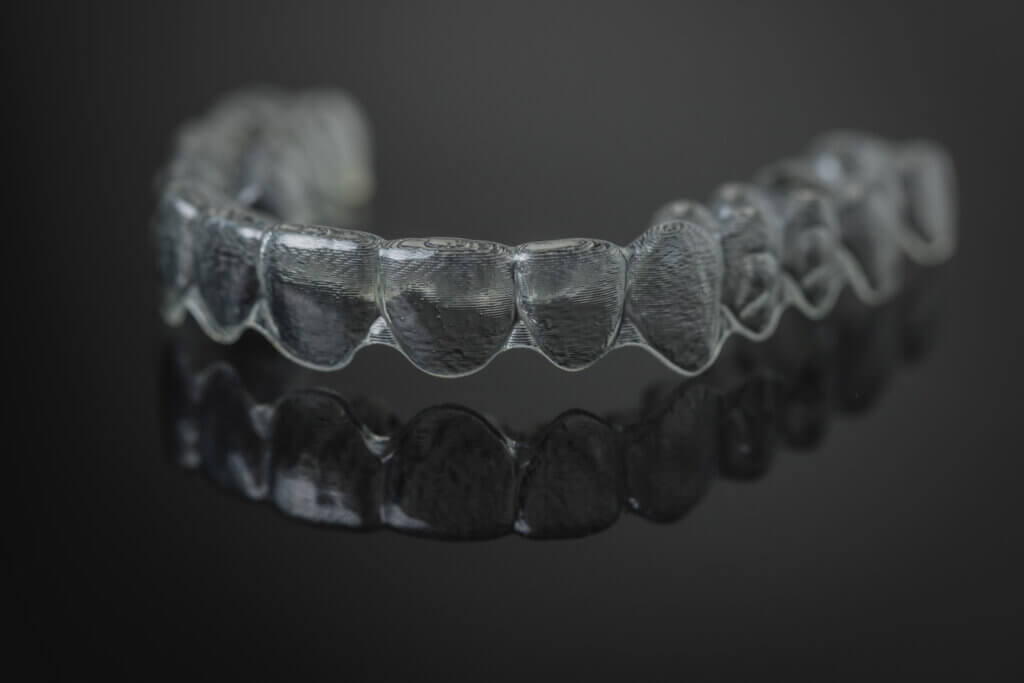
Invisalign® is a modern orthodontic system that uses clear, custom-made aligners to gradually move your teeth. The aligners are thin, comfortable, removable and very discreet. Most people do not realise I am wearing mine unless I mention it.
Because Invisalign® is digitally planned, each stage of tooth movement is mapped out before treatment begins. We can show you a preview of your likely outcome and tailor your plan to your specific needs.
Invisalign® may be suitable for:
- Mild crowding or spacing
- Moderate bite concerns
- Relapse after childhood orthodontics
- Patients seeking a discreet and flexible alternative to braces
Some complex cases can also be treated with aligners. Suitability depends on the type and extent of movement required.
How much does Invisalign® cost?
A question many patients ask is: “How much does Invisalign® cost?”
The answer depends mostly on the complexity of the case. More complex movements require more aligners, more planning time and more review appointments.
Here is a general guide used by many clinics, including ours:
- Mild cases: $3,000 to $5,500
- Moderate cases: $5,500 to $8,500
- Complex cases: $8,500 to $10,500 or more
Prices are provided as a general guide only and do not represent a quote. Final costs will depend on your personalised treatment plan following a clinical assessment by a dentist. Payment plan options are offered through third party providers and are subject to their eligibility criteria, terms and conditions. Additional fees may apply. Please speak to our team or your provider for full details.
What is usually included in an Invisalign® package?
Most comprehensive Invisalign® plans include:
- Initial consultation and digital scan
- Full set of custom aligners
- Attachments or buttons
- Refinement aligners if needed
- Regular review appointments
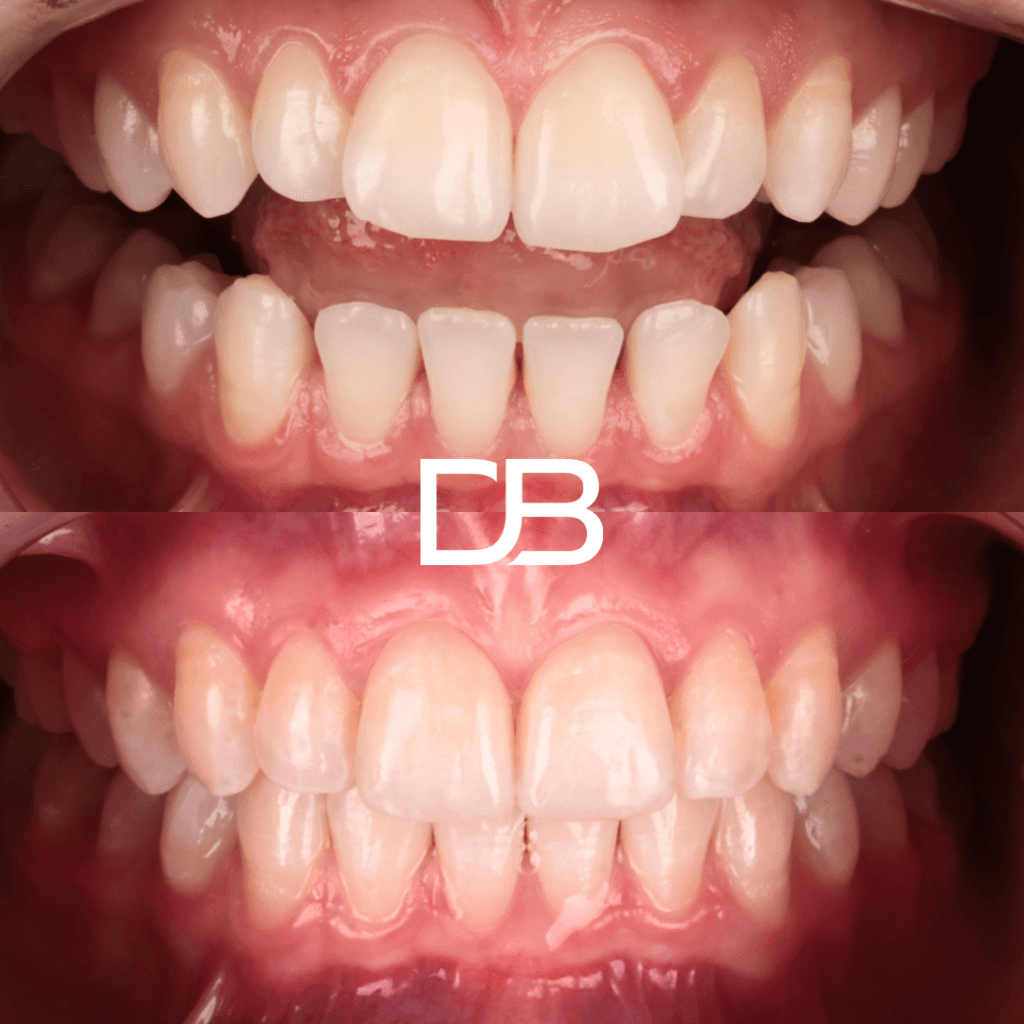
- Before and after photographs
- Removable retainer
- Take home whitening syringes towards the end of treatment
More complex cases often require additional refinement stages. This is one of the main reasons costs increase with complexity.
If you are interested in understanding your personalised Invisalign® treatment plan and expected costs, you can book a complimentary consultation with our team.
Invisalign® vs Braces: clinical considerations
I have worn braces as a teenager and Invisalign® as an adult. Both options are effective, although they offer different experiences and benefits.
Invisalign®
Invisalign® aligners are clear and removable, which makes them easy to fit into day to day life. Brushing and flossing are simple and there are no food restrictions. Treatment success depends on wearing the aligners consistently for around 22 hours per day.
Braces
Braces involve fixed brackets and wires that work continuously. They are highly effective for more complex orthodontic movements such as significant crowding or bite corrections. Braces do require some dietary adjustments and can feel more noticeable, but they remain a predictable and reliable treatment option.
Cost comparison
Invisalign® and braces usually fall within a similar price range of $4,000 to $9,000, depending on case complexity.
- For very complex cases, braces may be more cost effective.
- For mild to moderate cases, Invisalign® is often comparable in price and offers additional convenience.
Prices are provided as a general guide only and do not represent a quote. Final costs will depend on your personalised treatment plan following a clinical assessment by a dentist. Payment plan options are offered through third party providers and are subject to their eligibility criteria, terms and conditions. Additional fees may apply. Please speak to our team or your provider for full details.
Private health insurance & Invisalign®
Many private health funds provide rebates for Invisalign® if your extras cover includes orthodontic benefits.
Key details to check with your fund include:
Orthodontic benefits
If your policy does not include orthodontics, upgrading may involve a waiting period.
Annual & lifetime limits
Typical limits include:
- Annual limits between $800 and $1,500
- Lifetime limits between $2,000 and $2,500 or higher
How benefits are paid
Some funds pay a portion upfront, while others release benefits gradually over 12 to 24 months.
Waiting periods
Orthodontic cover usually has a 12 month waiting period. Most patients receive between $500 and $2,500, depending on their fund and level of cover.
Rebate information is provided as a general guide only. Private health insurance benefits vary between funds and levels of cover. Waiting periods, annual limits and lifetime limits may apply. Please check with your health fund to confirm your eligible benefits before commencing treatment.
Final thoughts
Both Invisalign® and braces are effective ways to straighten teeth. The right option depends on your individual needs, lifestyle and the type of movement required. Invisalign® can be a discreet and flexible choice for many mild to moderate cases, while braces remain highly reliable for more complex corrections. A clinical consultation is the best way to understand which approach is most suitable for your smile and treatment goals.
Summary
- Treatment Options: Both Invisalign® and braces can straighten teeth effectively, depending on the required tooth movements.
- Invisalign®: A clear and removable aligner system that suits many mild to moderate cases when worn consistently.
- Braces: A fixed orthodontic option that is well suited to complex movements and does not rely on patient compliance.
- Costs: Generally between $4,000 and $9,000. Final fees depend on case complexity and the number of aligners or adjustments required.
- Insurance: Many extras policies include orthodontic benefits. Annual and lifetime limits vary widely between funds.
- Suitability Assessment: A clinical consultation is essential to determine the most appropriate orthodontic option for your bite and goals.