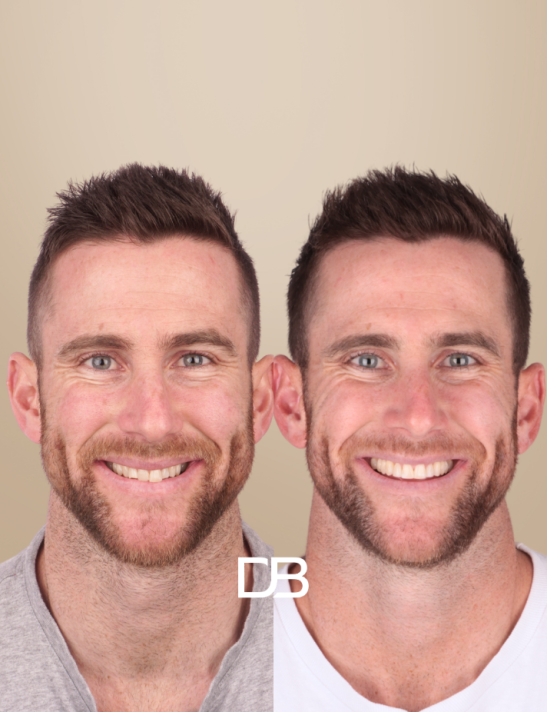





Invisalign® treatment is an orthodontic option that uses a series of clear, removable aligners to gradually move teeth into a different position. Unlike fixed braces, the aligners can be removed for eating, drinking, and cleaning.
The aligners are individually made to fit your teeth and are designed to be replaced at regular intervals as your teeth move. Treatment outcomes and timeframes vary for each individual, depending on their specific dental concerns and the complexity of the case.
Invisalign may be suitable for some patients with missing teeth, however suitability depends on individual oral health needs and should be assessed by a registered dental practitioner.More information regarding the comparative cost of traditional braces vs Invisalign can be found here.
If you’re dealing with multiple dental issues, you may be wondering, can I get Invisalign with missing teeth? The short answer is yes!.
Let’s take a look at your Invisalign eligibility based on your dental concerns.
Can I get Invisalign with missing teeth?
In some cases, patients with missing teeth may be eligible for Invisalign treatment. Suitability depends on individual factors, such as the position of the remaining teeth and your overall oral health. During treatment, teeth will gradually shift, and this may influence the spacing around a missing tooth.
Any decisions about replacing a missing tooth are best made after a full assessment by a registered dental practitioner. They can advise whether Invisalign is appropriate in your circumstances and how it may affect future treatment options.
Can Invisalign close missing tooth gaps?
Invisalign treatment may be able to reduce spacing between teeth in some cases. The outcome depends on factors such as the size of the gap, the number of missing teeth, and the individual’s overall oral health.
Can you get Invisalign with an implant?
While advice will differ from dentist to dentist, Invisalign could still be used to treat patients with fixed bone dental implants. Some dentists may recommend pursuing Invisalign before implants, as the resulting realignment may result in smaller or larger gaps.
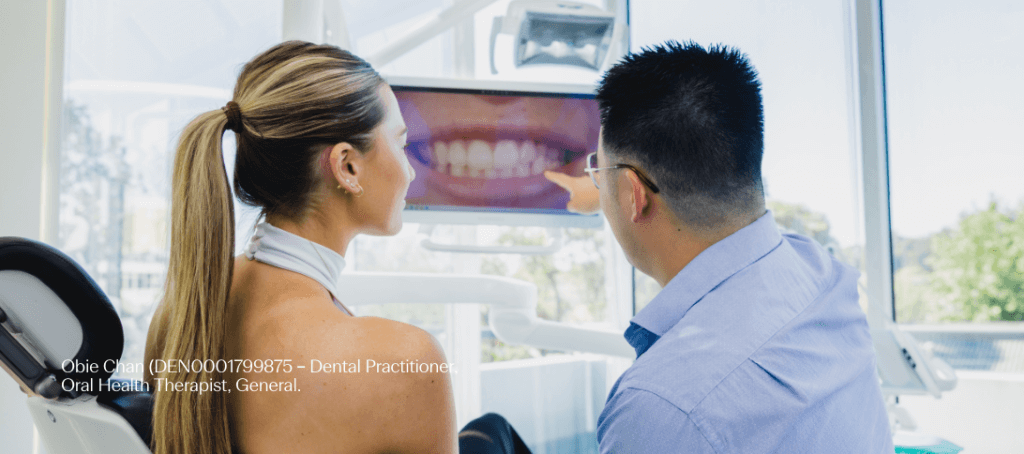
Does Invisalign work for all teeth?
As one of the most common teeth straightening treatments out there, Invisalign’s clear custom moulded trays could be a treatment work exploring for many different patients.
Invisalign often used to address patients with overbite, underbite, crooked or irregular teeth.
Do you need to remove teeth for Invisalign?
In some cases, tooth removal may be recommended before or during orthodontic treatment, depending on factors such as crowding, bite alignment, and oral health. Whether Invisalign treatment is suitable without extractions can only be determined after an assessment by a registered dental practitioner.
If you are considering Invisalign and have concerns about tooth removal, a dentist can provide advice tailored to your individual needs.

Does Invisalign work with missing molars?
In some cases, Invisalign treatment may be an option for patients with missing molars. Suitability depends on factors such as the number and position of the missing teeth, your bite, and overall oral health. The spacing created by orthodontic treatment may affect the timing or approach to restoring a missing tooth, such as with a dental implant.
Summary
- Invisalign aims to be a low-impact, nearly invisible and removable alternative to braces, ideal for gradually realigning teeth with minimal daily disruption.
- Invisalign can close gaps or create appropriate spaces for replacements, making it suitable for those with missing teeth.
- Invisalign works with dental implants but is recommended before implant placement to ensure optimal alignment.
- Invisalign is effective for various dental issues like overbites, underbites and crooked teeth, without requiring tooth removal if gums are healthy.

Discover our personalised approach to your smile
About Dental Boutique
At Dental Boutique™, we focus on providing dental treatments tailored to each patient’s individual oral health needs. Our team works across multiple areas of dentistry to help patients explore appropriate treatment options.