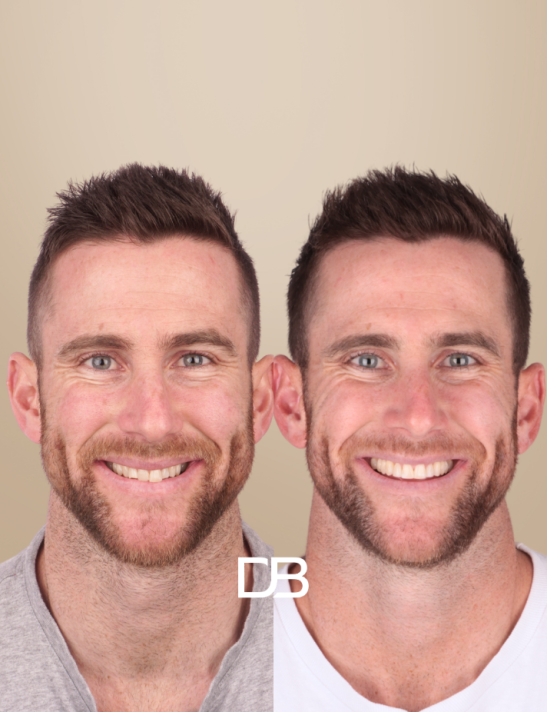





Small chips in teeth can occur during everyday activities such as brushing, eating hard foods, or playing sports. Chipped teeth are more common than you might think, and while they can sometimes seem minor, it can affect how your teeth function and may cause discomfort if left untreated.
At Dental Boutique™, our board-registered dental practitioners provide a range of general and cosmetic dental options to assess and manage chipped teeth. Every patient is different, and our role is to explain the available treatments so that you can make an informed choice about what feels right for you.
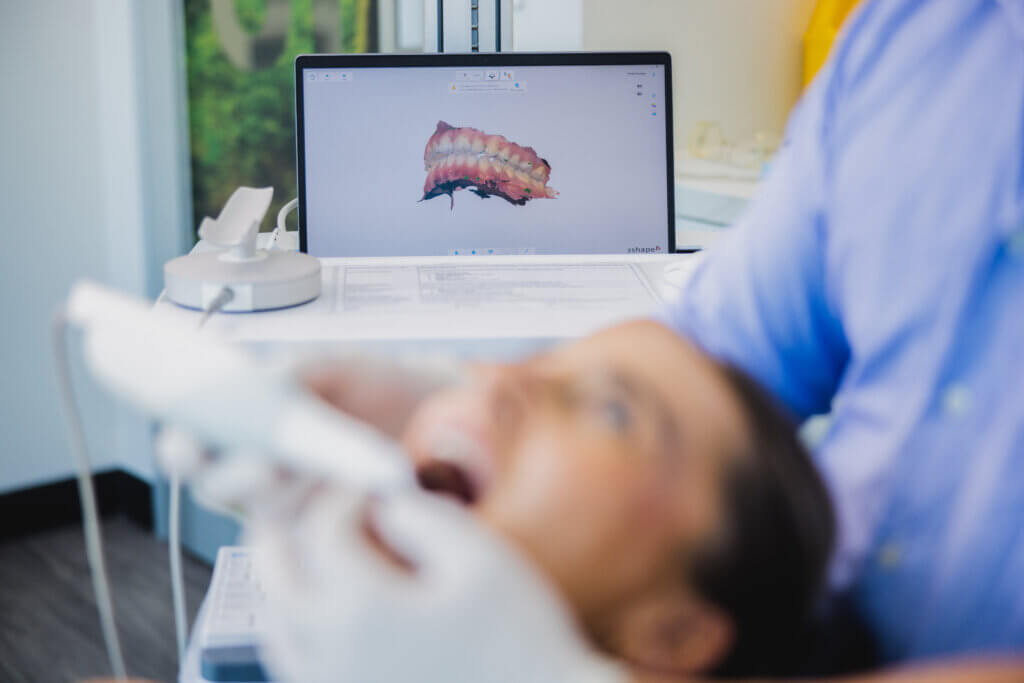
Why Does a Tooth Break? The Causes of a Chipped Tooth
Teeth work hard every day, which means they can sometimes be vulnerable to damage. Common causes of a chipped tooth include:
Teeth are like your mouth’s frontline workers; they bear the brunt of wear and tear due to everyday activities like chewing and speaking. This means they can sometimes be subjected to chipping and breakage. The common causes of chipped teeth include:
- Teeth grinding or clenching (Bruxism)
- Biting down on hard foods or objects such as fingernails, nuts, hard candy, or ice
- Playing contact sports without a properly fitted mouthguard
- Accidents or injuries (for example, a fall, or a knock to the face)
Can you leave a Chipped Tooth untreated?

Even small chips in teeth can sometimes affect function or increase the risk of further damage. A dental assessment can help determine whether any treatment is recommended for your individual situation.
If you’re in pain, contacting a dentist promptly is advised. In the meantime, rinsing with salt water, gently flossing to clear food debris, and using over-the-counter pain relief may help reduce discomfort until you can be seen.
While you won’t be able to fix your chipped tooth at home, there are a variety of temporary remedies that may provide relief to your pain and may prevent the tooth from breaking further:
- Use salt water to rinse and purify your mouth.
- Gently floss to remove food and other particles that could irritate the wound.
- Take over-the-counter medication to ease pain and discomfort.
What are the Dental Treatments for a Chipped Tooth?
The treatment recommended will depend on the size of the chip, the tooth affected, and your overall oral health. Some options may include:

Dental Bonding
Dental composite bonding is a treatment is a form of adhesive dentistry used to replace the parts of your teeth that have broken off. A tooth-coloured resin can be applied to repair small chips and restore the tooth’s shape. This option is generally suited to minor damage.
Porcelain Veneers
Porcelain Veneers address many dental concerns, including chipped teeth. Thin shells of porcelain are bonded to the front of teeth to strengthen the tooth surface, while also changing the appearance. Veneers may be considered if the chip affects the visible front teeth.
Like any dental procedure, veneers carry risks and have specific suitability criteria. Learn more about treatment risks here.
Crowns
If your tooth is severely chipped, you may need a porcelain tooth crown. This cosmetic treatment involves removing a layer of the tooth’s outer surface and permanently attaching a porcelain replacement.
Root Canal
If the chip exposes the inner nerve of the tooth and leads to infection, a root canal may be required to preserve the tooth. This is sometimes followed by a crown to protect the structure
How Much Does it Cost to Fix a Chipped Tooth?
Costs vary depending on the type of treatment recommended. For example, bonding may be less complex than a crown or veneer. At Dental Boutique™, we provide clear information on costs during your consultation and offer payment plan options to make treatment more accessible.
Payment plan options are offered through third-party providers and are subject to their eligibility criteria, terms and conditions. Additional fees may apply. Please speak to our team or your provider for full details.
How to Prevent Chipping Teeth: The Key Takeaway
While accidents can’t always be avoided, these steps may help reduce the risk:
- Maintain good oral hygiene to keep teeth strong
- Limit sugary or acidic food and drinks that may weaken enamel
- Wear a custom-fitted mouthguard during contact sports
- Consider a night guard if you grind your teeth while sleeping
- Avoid using your teeth to open bottles or packaging
If you are susceptible to teeth grinding and excessive clenching in your sleep, you could see a sleep specialist or invest in a mouthguard to protect the enamel of your teeth. A mouthguard should also be worn while playing contact sports to ensure your teeth don’t get damaged. Above all, it’s absolutely essential to not use your teeth as a tool! Though our teeth are strong, they could become chipped or damaged if used to open or pull something.
Summary
- Chipped teeth can occur due to grinding, biting hard foods, accidents, or sports injuries.
- A dental assessment can help determine if treatment is needed to address any potential issues.
- Treatment options may include bonding, veneers, crowns, or root canal therapy, depending on the severity.
- Preventive care such as wearing a mouthguard and maintaining oral health can help protect your teeth.