


For many patients, the biggest concern about sleep dentistry isn’t actually the treatment itself. It’s what to expect once it’s over.
It’s completely normal to wonder things like:
- How long will it take to recover from dental sedation?
- Will I feel tired or groggy afterwards?
- Can I drive home?
- Is there anything I should or shouldn’t eat?
Having a clearer idea of what recovery looks like can help ease a lot of the uncertainty before treatment.
Every patient responds a little differently to sleep dentistry, but understanding the typical recovery process can make the experience feel far less overwhelming and much easier to prepare for.
Why it helps to understand sleep dentistry recovery
Recovery is an important part of the overall sleep dentistry experience. Knowing what to expect beforehand can help patients feel more comfortable, prepared, and supported once treatment is finished.
Recovery is part of the treatment process
Many patients focus mainly on the dental procedure itself, but recovery matters just as much.
Unlike a standard dental appointment, sedation and general anaesthetic can leave patients feeling tired, groggy, emotional, or mentally slower for a period of time afterwards. For some people, this only lasts a few hours. For others, it can continue into the evening or the next day.
Planning ahead can make a big difference. Simple things like organising transport home, preparing soft foods, and allowing time to rest can help the recovery process feel much smoother and less stressful.
Recovery can vary from person to person
There’s no single recovery timeline that applies to everyone.
How you feel afterwards can depend on several factors, including the type of sedation used, how long the procedure takes, your medical history, and how your body responds to the medication.
Patients searching “how long does it take to recover after dental sedation?” are often relieved to learn that most short-term effects improve gradually throughout the day. However, it’s still common to feel more tired or mentally slower than usual for the rest of the day, particularly after IV sedation or general anaesthetic.
Recovery after happy gas is usually much quicker than recovery after IV sedation or general anaesthetic, with many patients feeling back to normal relatively soon after treatment.
Immediately after sleep dentistry
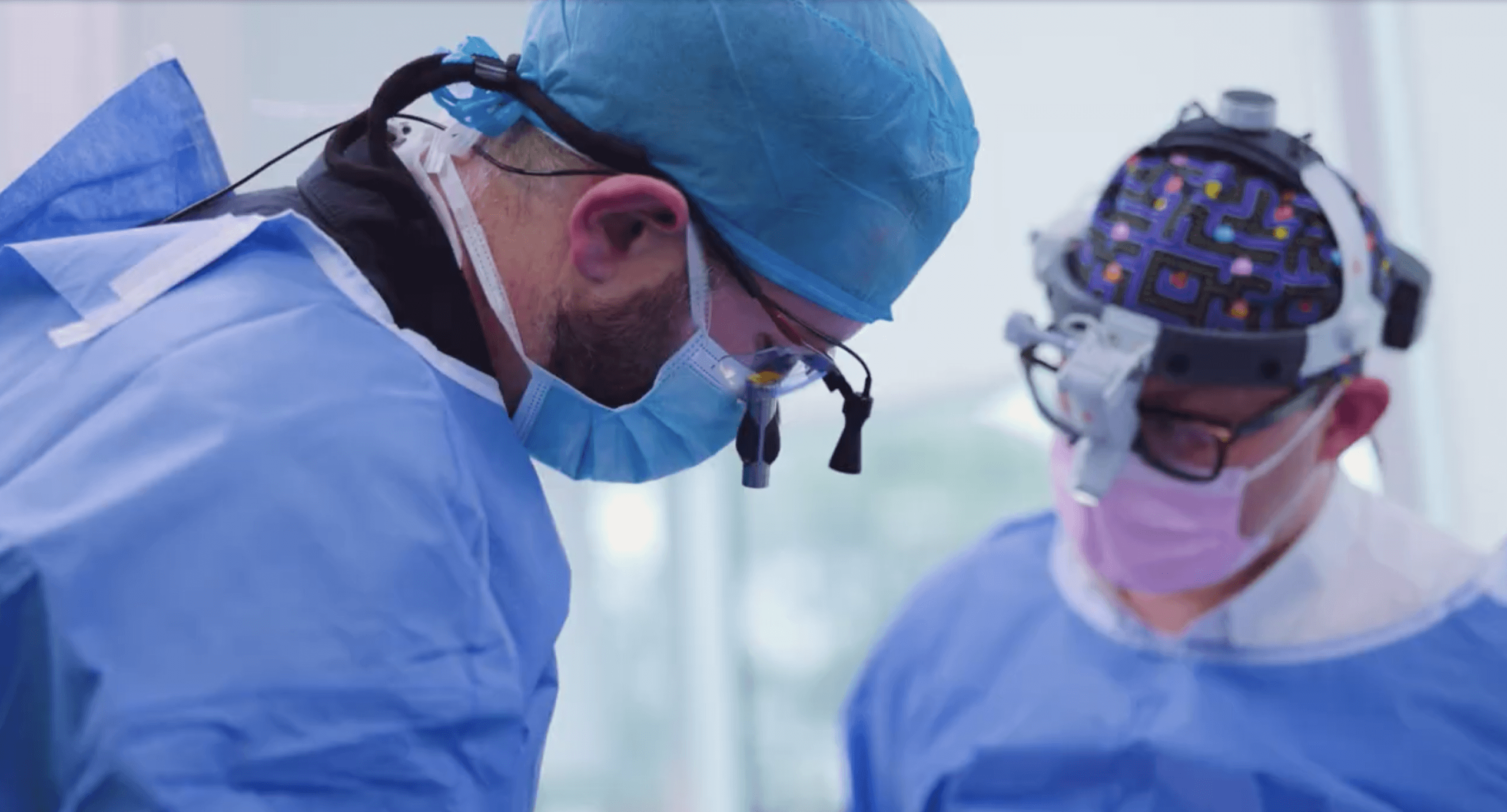
Once treatment is finished, patients are usually taken to a recovery area where they can rest, wake up gradually, and be monitored before heading home.
Waking up after sedation
After sleep dentistry or deeper forms of sedation, it’s normal to spend some time recovering before being discharged.
During this period, the dental or medical team may continue checking things like:
- Breathing
- Heart rate
- Blood pressure
- Oxygen levels
- General alertness
Patients are typically allowed to go home once the treating team is confident they’re recovering well and it’s safe to leave with a responsible adult.
Common short-term effects after sleep dentistry
It’s common to feel a little different for a while after dental sedation or general anaesthetic.
Some patients feel sleepy, groggy, dizzy, emotional, or slightly disoriented as the medication gradually wears off. Others may simply feel more tired than usual for the rest of the day.
Some temporary side effects can include:
- Dry mouth
- Mild nausea
- Temporary memory gaps
- Slower thinking or concentration
In most cases, these effects improve gradually over the next several hours as the sedation continues to wear off.
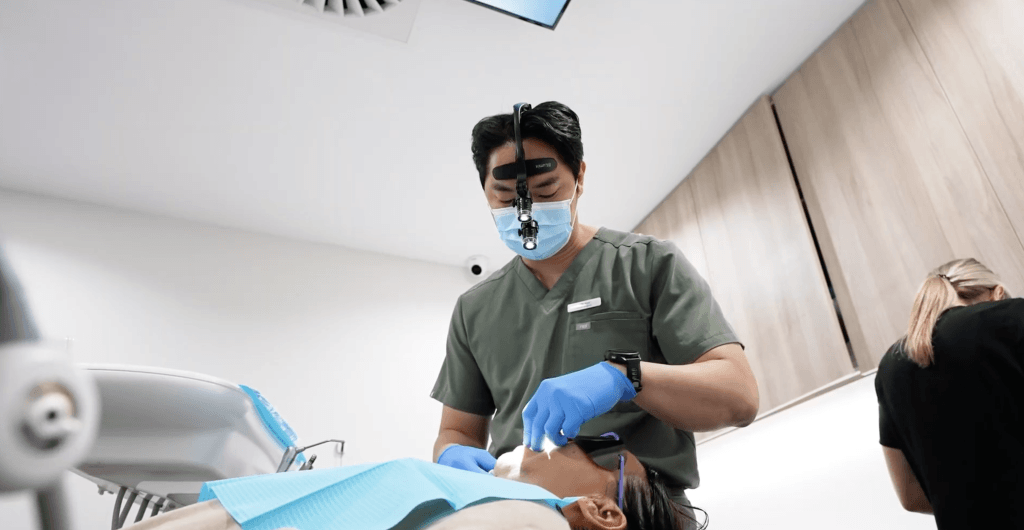
Getting home safely after sleep dentistry
One of the most important parts of planning for sleep dentistry is organising how you’ll get home afterwards.
Why you shouldn’t drive yourself home
Patients should not drive themselves home after IV sedation or general anaesthetic.
Even if you feel reasonably awake, the sedation medication can still affect reaction time, coordination, concentration, and judgement for several hours after treatment.
For this reason, patients are usually required to arrange for a responsible adult to drive them home and stay with them for a period afterwards.
Depending on the type of sedation used, it may also not be recommended to walk home alone, catch public transport independently, or take a rideshare home without support.
What to do for the rest of the day
The rest of the day is generally best treated as recovery time.
Rest & take it easy
Most patients are advised to spend the remainder of the day resting quietly at home after sleep dentistry.
Staying hydrated, wearing comfortable clothes, and giving your body time to recover can help you feel more comfortable as the sedation wears off. Many people spend the day resting on the couch, watching TV, reading, or sleeping on and off.
It’s usually recommended to avoid strenuous exercise, heavy lifting, or jumping straight back into a busy schedule immediately after treatment.
Some patients feel mostly back to normal within a few hours, while others may still feel tired into the evening or even the following day.
Avoid alcohol & important decisions
After sedation or general anaesthetic, patients are commonly advised to avoid:
- Alcohol
- Driving
- Operating machinery
- Signing legal documents
- Making important financial decisions
- Strenuous exercise
Even once you start feeling better, the effects of sedation can still temporarily affect concentration, judgement, and coordination.
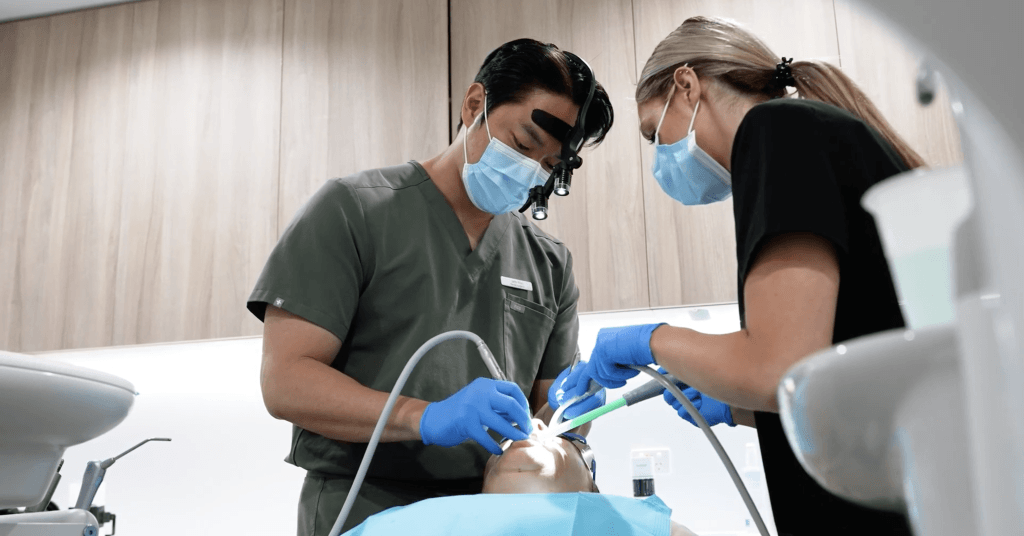
Eating & drinking after sleep dentistry
Your dentist may give you specific instructions about eating and drinking after treatment, depending on the procedure you’ve had done.
Many patients are encouraged to start slowly with water or clear fluids before gradually moving on to soft foods once they feel comfortable.
For a short period afterwards, it may be best to avoid very hot foods, crunchy foods, or anything difficult to chew, especially after extractions, implants, or surgical dental treatment.
If you feel slightly nauseous after sedation, small sips of water and lighter foods are often easier to manage at first.
Following your dentist’s aftercare instructions closely can help make recovery smoother and more comfortable.
Pain, swelling, or tenderness after treatment
Some discomfort after dental treatment can be completely normal, particularly after procedures such as tooth extractions, implants, or other surgical treatment.
Patients may experience mild swelling, jaw soreness, tenderness around the treatment area, or temporary stiffness when opening the mouth.
In many cases, these symptoms are more related to the dental procedure itself rather than the sedation medication.
Depending on the treatment completed, your dentist may recommend pain relief, cold compresses, rest, or other aftercare instructions to help manage discomfort during recovery.
When to contact your dentist
Patients should contact their dental provider if symptoms feel severe, unusual, or seem to be getting worse instead of gradually improving.
This can include:
- Difficulty breathing
- Severe nausea or vomiting
- Heavy bleeding
- Severe swelling
- Chest pain
- Fever
- Ongoing dizziness
- Pain that feels difficult to manage
If something doesn’t feel right after treatment, it’s always safest to contact your dental team for advice and reassurance.
Summary
- Recovery is an important part of sleep dentistry and sedation treatment
- Most patients experience temporary drowsiness or grogginess afterwards
- Patients should not drive themselves home after IV sedation or general anaesthetic
- Rest, hydration, and following aftercare instructions can support smoother recovery
- Recovery time varies depending on the sedation type and dental procedure completed
- Patients should contact their dentist if they experience severe or unusual symptoms after treatment