


For many people, going to the dentist isn’t just a little nerve-wracking. Dental anxiety can feel strong enough to delay appointments, avoid treatment altogether, or make even a simple procedure feel really stressful.
That anxiety is also more common than many patients realise. A systematic review and meta-analysis estimated that dental fear and anxiety affects about 15.3% of adults globally, so if you are one of those people, you’re not alone (Silveira et al., 2021).
Once patients begin researching sedation options, the confusion often starts quickly. Terms like happy gas, oral sedation, IV sedation, and sleep dentistry are commonly used online, but they do not all mean the same thing.
Some options simply take the edge off anxiety. Others provide a deeper level of relaxation. At the far end of the sedation spectrum, treatment may be completed while the patient is fully asleep under general anaesthetic.
If you’ve been searching for information about happy gas, oral sedation, IV sedation, or sleep dentistry, this guide explains the key differences.
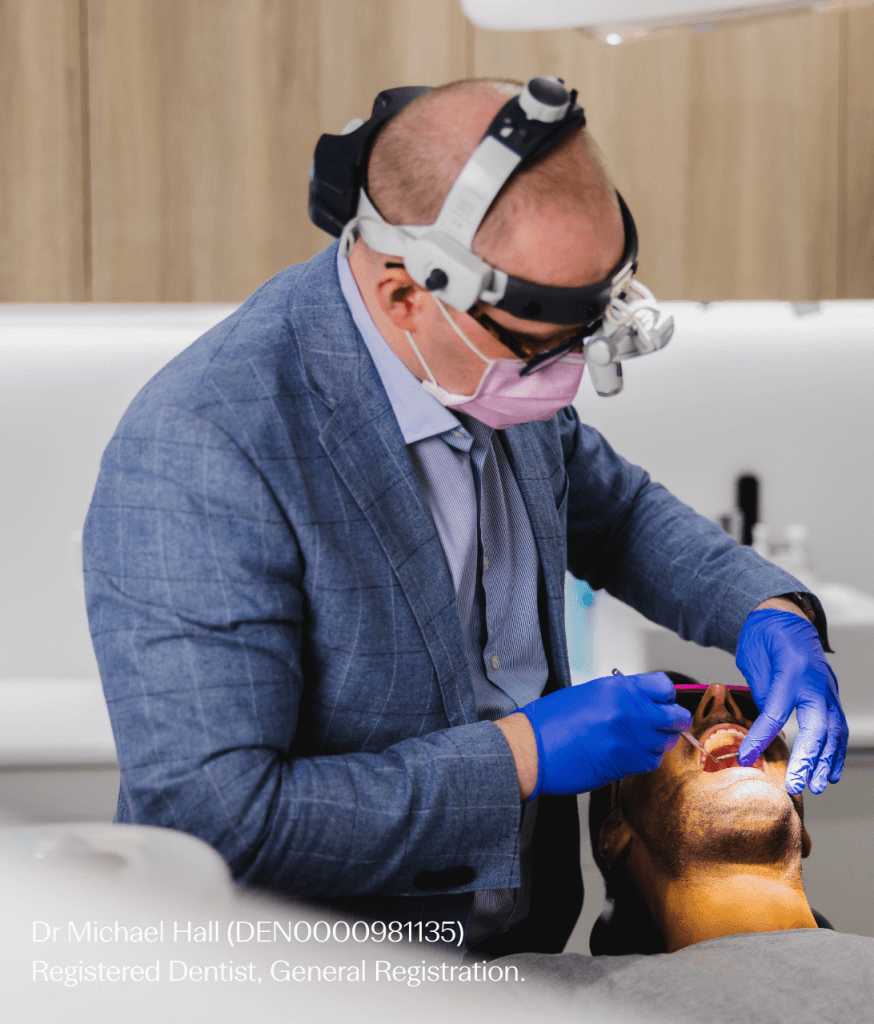
Why dental sedation options can feel overwhelming & how to choose
Dental sedation is not one single treatment. It’s a range of techniques designed to help patients feel calmer and more comfortable during dental care.
Some people simply want help relaxing during a routine appointment. Others may have severe dental anxiety, a strong gag reflex, difficulty sitting through treatment, or complex dental needs that require additional support.
Because every patient is different, sedation options also vary in strength and effect. Broadly speaking:
- Happy gas offers mild relaxation.
- Oral sedation provides mild to moderate relaxation through prescribed medication.
- IV sedation provides a deeper level of relaxation.
- Sleep dentistry under general anaesthetic involves being fully asleep during treatment.
It’s also important to know that sedation and local anaesthetic are not the same thing. Sedation helps with anxiety, relaxation, and comfort, while local anaesthetic will still be used to numb the teeth and gums so treatment can be performed comfortably.
The right option depends on several factors, including:
- Your level of dental anxiety
- Your medical history
- The type of treatment required
- The expected treatment length
- Previous experiences with sedation
- Any medications you take
- Whether you have conditions such as sleep apnoea, breathing difficulties, or previous anaesthetic concerns
That’s why there is rarely a one-size-fits-all answer when it comes to dental sedation.
What is happy gas?
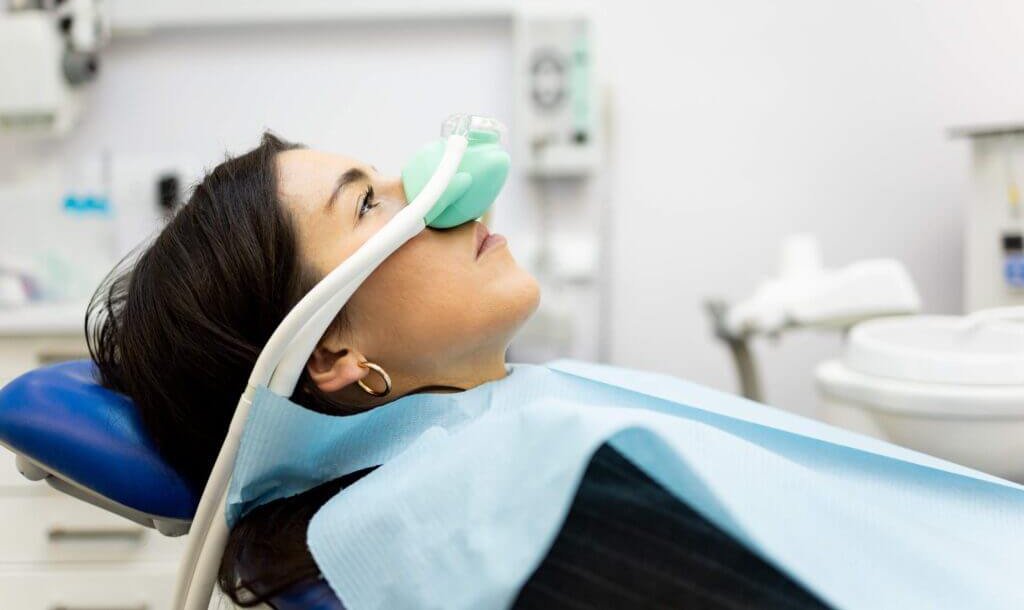
Happy gas, also known as nitrous oxide sedation, is one of the lightest forms of dental sedation. It’s inhaled through a small mask or nosepiece placed over the nose during treatment.
Patients stay awake and are able to communicate with the dental team throughout the appointment.
How happy gas helps nervous dental patients
Happy gas is designed to help patients feel calmer and more relaxed while still remaining conscious.
Many patients describe feeling lighter, less tense, or more comfortable once the gas takes effect. Some people also feel as though treatment passes more quickly.
Because the sedation level is mild, patients can usually still respond to the dental team and follow instructions normally.
One reason happy gas is often discussed for anxious patients is that its effects usually wear off quickly after the mask is removed so recovery afterwards is fast.
When happy gas may be suitable
Happy gas may sometimes be considered for:
- Mild to moderate dental anxiety
- Nervous children, where clinically appropriate
- Shorter dental procedures
- Patients who dislike needles
- Patients wanting minimal recovery time
- Patients who feel tense but can still tolerate dental treatment while awake
However, happy gas may not provide enough support for patients with severe dental fear, complex treatment needs, or difficulty coping with dental treatment despite mild sedation.
It may also not be suitable for every patient, especially if there are certain breathing, medical, or pregnancy-related considerations. Suitability should always be checked before treatment.
What is oral sedation?
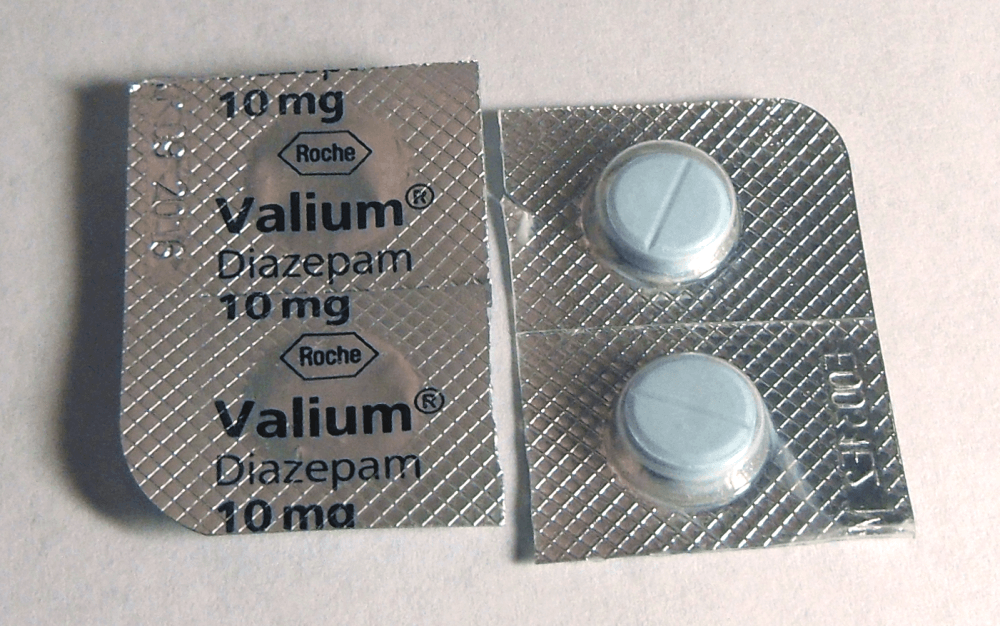
Oral sedation, such as diazepam (sometimes known by the brand name Valium), may also be discussed for anxious dental patients. This usually involves taking a prescribed sedative tablet before the appointment to help the patient feel calmer, more relaxed, and sometimes drowsy during treatment.
Unlike happy gas, the medication is swallowed rather than inhaled and its effects generally last longer. Unlike IV sedation, the medication is not administered directly into a vein and the level of sedation cannot be adjusted once the medication has been taken.
Patients usually remain awake and able to communicate during treatment, although they may feel more relaxed, sleepy, or remember less of the appointment afterwards.
How oral sedation helps nervous dental patients
Oral sedation is designed to reduce anxiety before and during treatment.
Many patients describe feeling calmer, less tense, and better able to cope with dental treatment than they would have otherwise.
Because anxiety often begins before arriving at the clinic, oral sedation may help some patients feel more comfortable throughout the overall treatment experience rather than only during the procedure itself.
When oral sedation may be suitable
Oral sedation may sometimes be considered for:
- Mild to moderate dental anxiety
- Patients wanting more support than happy gas alone
- Patients who dislike needles
- Longer appointments where additional relaxation may be beneficial
- Patients who have previously responded well to prescribed sedative medication
Depending on the medication and dosage prescribed, oral sedation may provide mild relaxation or a deeper sense of drowsiness. However, patients are usually not fully unconscious and remain able to respond during treatment.
Because medicines such as diazepam can cause drowsiness, slower reaction times, forgetfulness, and may affect breathing in higher doses, patients should only take them exactly as prescribed.
Patients should not drive, consume alcohol, or use recreational drugs after taking oral sedation medication and should follow all instructions provided by their dental team.
As with any sedation option, suitability depends on individual circumstances, medical history, medications, and the planned treatment.
What is IV sedation?
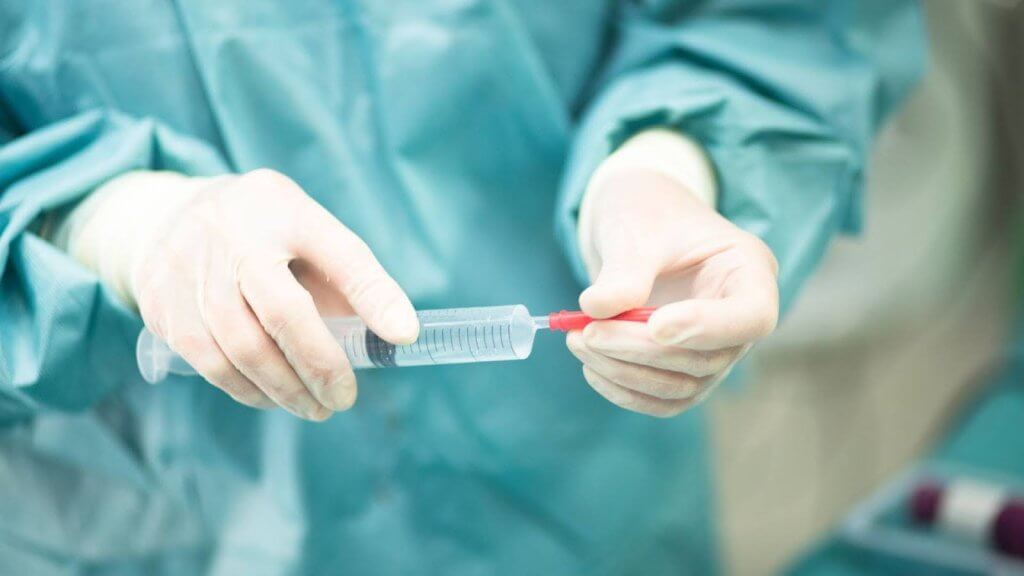
IV sedation involves sedative medication being administered through a vein, usually in the arm or hand. This creates a deeper level of relaxation than happy gas or oral sedation.
Patients are not usually fully unconscious in the same way they would be under general anaesthetic. However, they are often extremely drowsy, deeply relaxed, and may have little memory of the appointment afterwards.
IV sedation is the deepest form of conscious sedation commonly available in a dental office setting and notes that it may be used for severe dental anxiety or longer procedures.
How IV sedation works
Because the medication enters the bloodstream directly, IV sedation can take effect quickly. The level of sedation can also be adjusted carefully throughout the procedure as the provider can monitor and adjust the dosage as needed.
Patients receiving IV sedation are closely monitored throughout treatment. This may include monitoring breathing, oxygen levels, heart rate, blood pressure, and the patient’s overall level of responsiveness.
For many anxious patients, IV sedation can make longer or more involved dental appointments feel much more manageable.
What patients may remember afterwards
One of the biggest misconceptions about IV sedation is that it always means patients are completely unconscious.
In most cases, patients are not fully asleep under IV sedation. They may drift in and out of awareness, feel very sleepy, or remember very little afterwards. Some patients may fall asleep during the procedure and may not remember the procedure afterwards.
Recovery time is longer compared to happy gas or oral sedation. Patients need somebody to drive them home afterwards and should follow the specific post-sedation instructions provided by their dental or sedation team.
What is sleep dentistry and is it safe?
The term sleep dentistry can sometimes feel confusing because different clinics may use the phrase differently.
In many cases, sleep dentistry refers to dental treatment performed under general anaesthetic, where the patient is fully unconscious and unaware during the procedure.
This differs from IV sedation because the patient is completely asleep rather than deeply relaxed or drowsy.
Because the wording can vary, it’s always worth asking the clinic exactly what they mean by “sleep dentistry”. Some people use the phrase casually to describe IV sedation, while others use it specifically for treatment under general anaesthetic.
Treatment while you are asleep
Under general anaesthetic, medications are administered by a qualified anaesthetist to place the patient into a controlled unconscious state.
During treatment:
- The patient is fully asleep
- The patient does not respond to treatment
- Breathing and vital signs are continuously monitored
- Multiple procedures may sometimes be completed in a single visit
Because general anaesthetic is more medically involved than other sedation options, it’s usually performed in an appropriately equipped facility with additional medical support.
When sleep dentistry may be discussed
Sleep dentistry may sometimes be considered for patients who:
- Experience severe dental anxiety or phobia
- Require extensive dental treatment
- Have special needs or medical complexities
- Cannot comfortably tolerate treatment while awake
- Have previously struggled with other sedation options
Patients researching “sleep dentistry vs general anaesthetic” are often surprised to learn the two terms are closely connected.
As for the question “is sleep dentistry safe?”, modern sedation and anaesthesia techniques are generally considered safe when carefully planned, appropriately monitored, and performed by qualified professionals. However, every medical procedure still carries risks, which is why suitability always needs to be assessed individually.
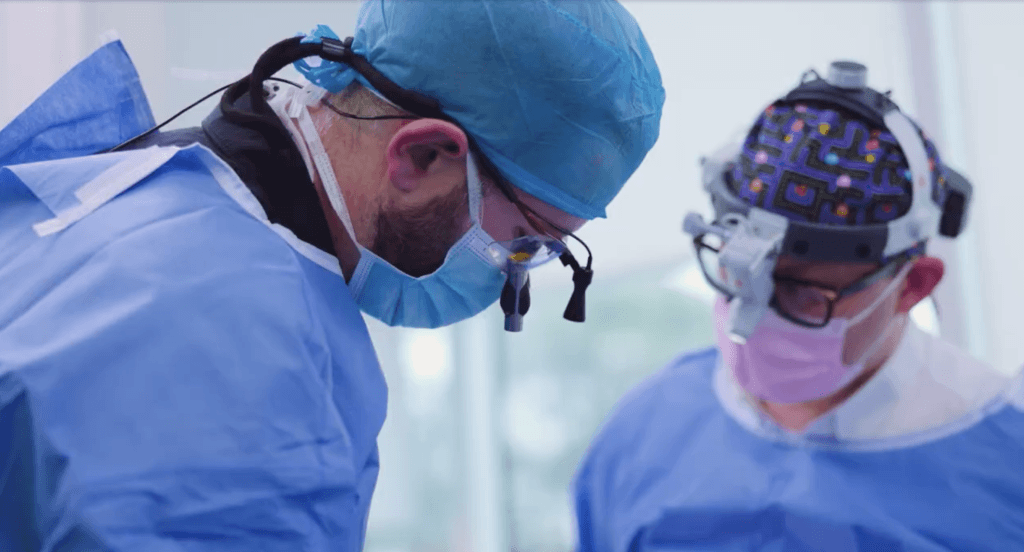
Sleep dentistry vs IV sedation vs oral sedation vs happy gas: A simple comparison
A simple way to think about the difference is this:
- Happy gas helps you relax while staying awake.
- Oral sedation helps you feel calmer and more relaxed through medication.
- IV sedation helps you become deeply relaxed and very sleepy.
- Sleep dentistry under general anaesthetic means you are fully asleep.
Level of sedation
Happy gas is generally considered the lightest sedation option. The Australian Dental Association classifies nitrous oxide sedation as a minimal sedation technique.
Oral sedation generally sits between happy gas and IV sedation, providing mild to moderate relaxation while allowing patients to remain conscious and responsive.
IV sedation provides a deeper level of relaxation and may make patients feel very sleepy.
Sleep dentistry under general anaesthetic produces complete unconsciousness. General anaesthetic makes patients unconscious so they are not aware, moving, or feeling pain during surgery.
Awareness during treatment
With happy gas, patients remain awake and aware, although they may feel calmer, lighter, or more relaxed.
With oral sedation, patients remain conscious but often feel calmer, more relaxed, and may remember less of the appointment afterwards.
With IV sedation, patients are usually not fully unconscious, but they are deeply relaxed and may remember very little afterwards.
With sleep dentistry under general anaesthetic, patients are fully asleep and unaware during treatment.
Recovery and transport home
Happy gas generally has the shortest recovery period, and some patients can return to normal activities relatively quickly after the appointment, depending on their dentist’s instructions.
Oral sedation may require a longer recovery period than happy gas, and patients should follow the instructions provided by their dental team.
IV sedation typically requires someone else to drive the patient home and may involve a longer recovery period.
After a general anaesthetic, patients cannot drive themselves home and should arrange help getting home. Someone should be with the patient for the next 24 hours after a general anaesthetic.
Which dental sedation option may be right for you?
Choosing between happy gas, IV sedation, oral sedation and sleep dentistry is not simply about picking the strongest option.
The decision depends on balancing comfort, safety, treatment complexity, and your individual needs. Cleveland Clinic notes that dentists recommend sedation type based on factors including anxiety level, treatment length, health, and personal preferences.
For some patients, the gentlest option is enough. For others, deeper sedation may be more appropriate. The aim is not just to “get through” treatment, but to do so safely, comfortably, and with the right level of support.
Questions your dentist will consider
Your dental team may look at factors such as:
- Your level of dental anxiety
- Your medical history and medications
- Treatment complexity and expected duration
- Whether you have a strong gag reflex
- Previous experiences with sedation
- Your ability to remain comfortable during treatment
- If you’ve had previous problems with anaesthesia or sedation
- Whether airway, breathing, or sleep apnoea concerns are relevant
ANZCA’s procedural sedation guidance emphasises the importance of a thorough pre-sedation assessment, including previous anaesthesia or sedation history, allergies, drug sensitivities, aspiration risk, airway assessment, general health, cardiorespiratory status, current medications, and red flags such as previous sedation complications, obstructive sleep apnoea, obesity, frailty, and age (ANZCA, 2023).
Why there is no one-size-fits-all answer
Some patients feel comfortable with mild sedation, while others may need deeper support to complete treatment safely and comfortably.
The best option for one patient may not be suitable for another. A patient having a short filling with mild anxiety may need a very different approach from someone having complex surgical treatment with severe dental phobia.
That is why an individual consultation matters.
Questions to ask before choosing dental sedation
Feeling informed before treatment can help reduce uncertainty and make the process feel less intimidating.
These questions can help patients understand what to expect before, during, and after their appointment.
Am I suitable for this option?
Not every sedation method is appropriate for every patient.
Factors such as medical history, medications, pregnancy status, allergies, breathing conditions, and previous experiences with sedation or anaesthesia may all affect suitability. There are several pre-sedation assessment factors that may influence risk, including allergies, medication history, airway obstruction risk, previous anaesthesia or sedation complications, and obstructive sleep apnoea.
Patients should also mention any recreational drug use, alcohol use, or supplements, as these may affect sedation planning. Understanding medications, non-prescription drugs, alcohol, recreational drugs, and tobacco use is an important part of sedation assessment.
Who will administer and monitor the sedation?
Patients should understand who is responsible for administering and monitoring sedation during treatment, including the qualifications and experience of the professionals involved.
This is especially important for IV sedation and general anaesthetic, where monitoring and emergency planning are a core part of safe care.
What should I do before and after the appointment?
Patients may need to:
- Avoid eating or drinking beforehand
- Take or pause certain medications as instructed
- Arrange transport home
- Avoid driving after deeper sedation
- Allow time to rest after the procedure
- Have another adult stay with them after general anaesthetic
These instructions are not just formalities. They play an important role in making sedation safer and recovery smoother. Depending on the type of sedation being used, patients may need to fast beforehand, discuss medications with their dental team, arrange transport home, or organise support after treatment.
Summary
- Happy gas is the mildest form of dental sedation and allows patients to stay fully awake and responsive.
- IV sedation creates a deeper level of relaxation, and many patients remember very little afterwards.
- Sleep dentistry under general anaesthetic involves being completely asleep during treatment.
- Recovery time is usually shortest with happy gas and longer with IV sedation or general anaesthetic.
- The most suitable option depends on your anxiety level, medical history, treatment needs, and personal comfort.
- A consultation with your dental team can help determine which sedation option may be appropriate for you.