




When you smile, it’s normal for a small amount of gum tissue to show above the upper teeth. In some people, however, a larger portion of the gums becomes visible when smiling. This is commonly referred to as a gummy smile.
A gummy smile can affect the visual balance between the teeth, gums and upper lip. For some people it’s simply a natural feature of their smile, while others seek dental advice to understand what causes it and whether treatment options are available.
If you’re wondering how to fix a gummy smile, the first step is understanding why it happens. Several factors can influence how much gum shows when smiling, and identifying the underlying cause helps guide the most appropriate treatment approach.
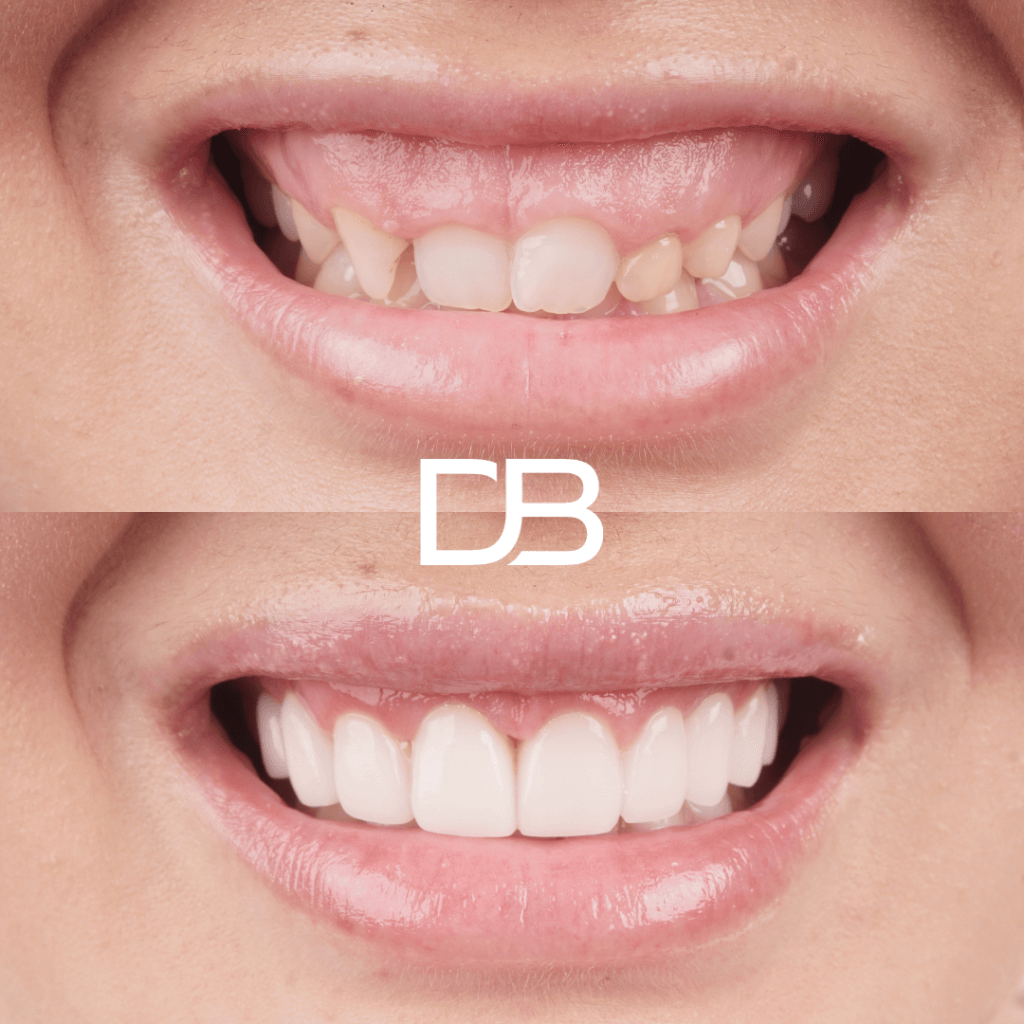
Image taken approx 1 week post treatment
What is a gummy smile?
A gummy smile describes a smile where a noticeable amount of gum tissue shows above the upper teeth.
A small amount of visible gum is completely normal and often contributes to the overall appearance of a smile. However, when a larger portion of gum tissue is visible, the gums can appear disproportionately large compared to the teeth, making the teeth look shorter or less prominent.
Although a gummy smile usually isn’t a dental health concern, some people explore treatment options that adjust the proportions between the teeth and gums.
How much gum is considered too much?
There isn’t a strict rule that defines a gummy smile, as smile aesthetics vary between individuals.
In dentistry, a smile is often described as gummy when more than around 3–4 millimetres of gum tissue is visible above the upper teeth when smiling. Dentists may refer to this as ‘excessive gingival display’ when more than 3–4 millimetres of gum tissue is visible.
That said, personal preference plays an important role. Some people are comfortable with more gum showing, while others prefer a smile where the teeth are more prominent.
Are gummy smiles a health concern or just cosmetic?
In most cases, a gummy smile is primarily an aesthetic concern rather than a dental health issue. Many people seek a cosmetic procedure to improve smile aesthetics, even though a gummy smile isn’t usually a threat to oral health.
The amount of gum visible when smiling can be influenced by several factors, including:
- the amount of gum tissue around the teeth
- the size and proportions of the teeth
- how the upper lip moves when smiling
- jaw position and facial structure
Because multiple factors can affect gum display, a dental assessment helps identify the cause.
What can cause gummy smiles and how do you choose the right treatment?
A gummy smile doesn’t have a single cause. It usually reflects how the teeth, gums, lips and jaw work together when you smile.
The most common cause is the position of the upper jaw. When it sits slightly lower or is more prominent, more gum tissue may show. Genetics can also influence this, particularly if the teeth are smaller in proportion to the gums or if the upper lip is shorter.
Tooth development can also play a role. If teeth didn’t fully erupt during childhood, they may appear shorter, which increases gum display.
Bite alignment may further affect how much gum is visible. Less commonly, factors such as hormonal changes, certain medications, poor oral hygiene, or mouth breathing can contribute by causing gum enlargement or overgrowth.
Because several structures are involved, the amount of visible gum varies from person to person. Identifying the underlying cause is important, as treatment depends on what’s driving the appearance.
Dentists assess the teeth and gums, lip movement, and jaw position to determine what’s contributing and which options may be appropriate.
Excess gum tissue
Some people naturally have more gum tissue covering their teeth, which can make the teeth appear shorter and less prominent. Excess or overgrown gum tissue is a common cause of a gummy smile.
Adjusting the gum line can improve the proportions between the teeth and gums by exposing more of the tooth surface. Procedures such as laser gum contouring or a gingivectomy are commonly used to remove excess gum tissue and reshape the gum line.
Hyperactive upper lip muscles
In some individuals, the upper lip lifts higher than average when smiling, exposing more gum tissue above the teeth. This is often due to hyperactive or overactive upper lip muscles, which pull the lip upward more than usual.
Even when the teeth and gums are well proportioned, increased lip movement can make a gummy smile more noticeable. In these cases, muscle relaxant injections such as Botox may be used to temporarily reduce gum visibility by limiting the upward movement of the upper lip.
Short upper lip
The length of the upper lip influences how much gum shows when smiling. A naturally shorter upper lip provides less coverage over the teeth and gums, making gum tissue more visible.
This variation in facial anatomy can contribute to a gummy smile, even when the teeth and gums are otherwise well proportioned. In some cases, procedures such as lip repositioning surgery may be considered to reduce the amount of gum shown when smiling.
Teeth appear short
Teeth may appear short if they’re partially covered by gum tissue or if they’re naturally smaller in proportion to the surrounding gums. This can affect the overall balance of the smile and make gum tissue more noticeable.
In some cases, treatments such as dental veneers or crowns may be used to improve tooth proportions and create a more balanced appearance.
Jaw development
The position and development of the upper jaw can also influence how much gum is visible when smiling. When the upper jaw has greater vertical height, more gum tissue may be exposed. In more pronounced cases, this is sometimes referred to as vertical maxillary excess.
In severe cases, orthognathic surgery may be considered to reposition the jaw and reduce excessive gum display.
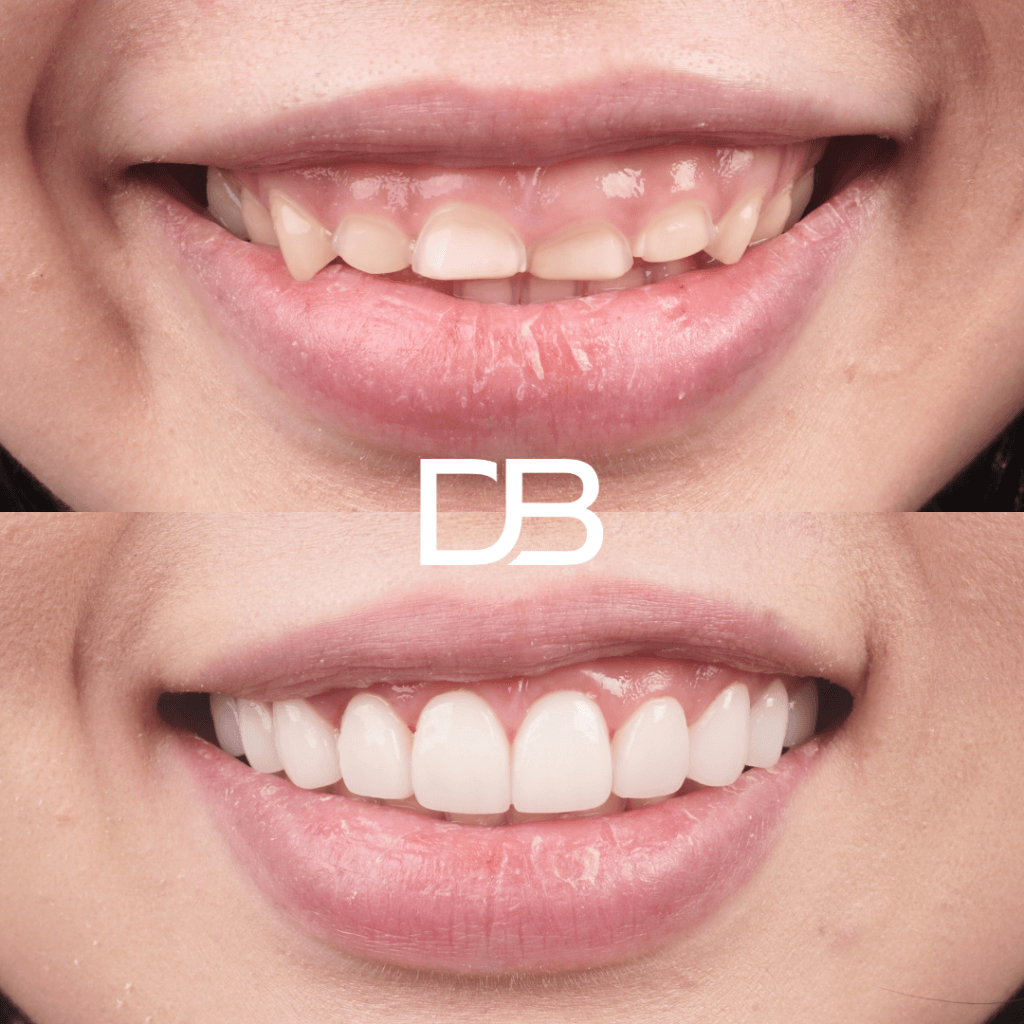
Image taken approx 1 week post treatment
How dentists diagnose a gummy smile
Before recommending treatment, dentists assess several factors that influence how the smile appears.
During a consultation, this usually includes examining:
- the amount of gum tissue visible when smiling
- the size and shape of the teeth
- gum levels and gum health
- the movement of the upper lip
- bite alignment
- jaw position and facial proportions
This assessment helps determine the cause of the gummy smile and guides the discussion about treatment options. Treatment planning is tailored to each patient’s needs, and innovative approaches like Digital Smile Design can enhance the planning and execution of gummy smile treatments.
How to fix a gummy smile: Your treatment options
If you’re asking “can you fix a gummy smile?”, the answer depends on the underlying cause.
Treatment is tailored to each individual, based on how the teeth, gums, lips and jaw contribute to the appearance of the smile. In many cases, procedures such as orthodontics, gum contouring, or laser treatments can improve or correct excessive gum display.
Advanced planning tools such as Digital Smile Design can also be used to help visualise the expected outcome before treatment begins.
Different treatments address different contributing factors, so a dentist will recommend options based on the structure of the teeth, gums and jaw.
Laser gum contouring
Laser gum contouring reshapes the gum line to reveal more of the tooth surface. It’s commonly used when excess gum tissue covers part of the teeth.
The procedure uses a dental laser to precisely remove and reshape gum tissue, improving the balance between the teeth and gums. Because it’s minimally invasive, discomfort is usually limited and recovery is typically quick, although this can vary between individuals.
Crown lengthening
Crown lengthening involves adjusting the gum tissue, and sometimes the underlying bone, to expose more of the tooth structure.
It’s typically considered when a significant portion of the tooth is covered by gum tissue. The procedure removes excess gum tissue and reshapes the gum line to improve the balance between the teeth and gums.
Orthodontics
Orthodontic treatment can help improve smile proportions when tooth position or bite alignment contributes to excessive gum display.
Appliances such as braces or clear aligners are used to gradually reposition the teeth and improve alignment. This may help reduce gum visibility in cases where bite or alignment is a contributing factor.
Botox
In some cases, injectable treatments are used to relax the muscles that lift the upper lip. Botox, also known as a muscle relaxant injection, can temporarily reduce gum visibility by limiting how high the upper lip rises when smiling.
The effects are temporary and typically last several months, after which repeat treatment may be required to maintain the result.
Surgical treatments
When excessive gum display is related to jaw development, surgical treatment may be considered to reposition the upper jaw.
Procedures such as orthognathic surgery are typically used in more severe cases, including those involving vertical maxillary excess. These treatments are generally reserved for more complex situations and are recommended based on individual assessment.
Which treatment is right for you?
Because gummy smiles can have different causes, there isn’t a single treatment that works for everyone. Treatment planning is tailored to the individual, taking into account their needs, goals, and underlying anatomy.
A dentist will assess the teeth, gums, lips and jaw before recommending options suited to the individual smile.

When to see a cosmetic dentist for your gummy smile
Some people choose to seek dental advice if they are concerned about how much gum shows when they smile. A consultation can help determine the cause of the gum display and whether treatment options are appropriate.
You might consider speaking with a cosmetic dentist if:
- a large portion of gum tissue shows when smiling
- the teeth appear unusually short
- the proportions between the teeth and gums seem uneven
A dentist can assess the smile and discuss available treatment approaches.
Summary
- A gummy smile occurs when a larger amount of gum tissue shows above the upper teeth when smiling.
- Several factors can contribute to this, including excess gum tissue, upper lip movement, tooth proportions or jaw development.
- Dentists assess the teeth, gums, lips and jaw to determine the underlying cause of excessive gum display.
- Treatment options vary depending on the diagnosis and can include gum contouring, orthodontic treatment or other dental procedures that adjust the relationship between the teeth and gums.