




Dental implants and veneers are often compared, but they’re designed for different situations. Dental implants replace missing teeth or teeth that are heavily compromised, while veneers can be used to change the appearance of existing teeth.
They’re not interchangeable treatments, and one isn’t necessarily better than the other. The right option depends on the condition of your teeth, your oral health and your treatment goals.
To help you understand which option may be right for you, we’ll look at the key differences between dental implants and veneers, when each treatment may be recommended, what influences cost, and whether they’re sometimes used together as part of a personalised treatment plan.
The information in this article is general in nature and does not replace an individual dental examination, diagnosis or personalised treatment plan. Treatment suitability, risks, outcomes, timeframes and costs vary between patients.
Dental implants vs veneers: What’s the main difference?
Although dental implants and veneers can both change the appearance of a smile, they’re designed to achieve different outcomes. Understanding how each treatment works is the key to knowing when one may be more appropriate than the other.
Why they solve different dental problems
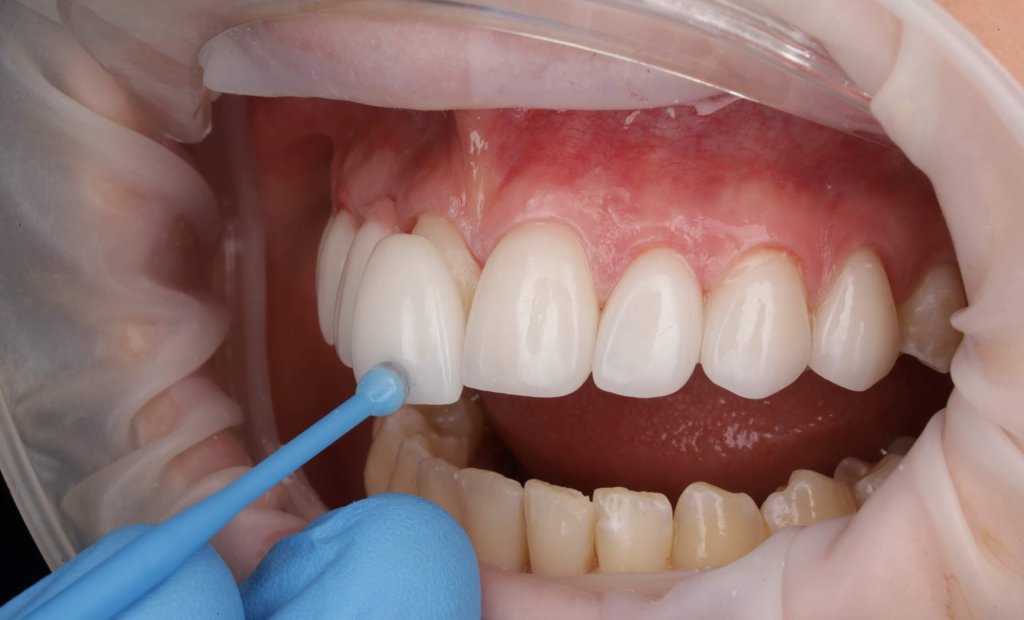
A veneer is bonded to the front surface of an existing tooth, so it’s only suitable when there’s enough healthy tooth structure to support it. The aim is to enhance how the tooth looks by changing its colour, shape, size and/or proportions.
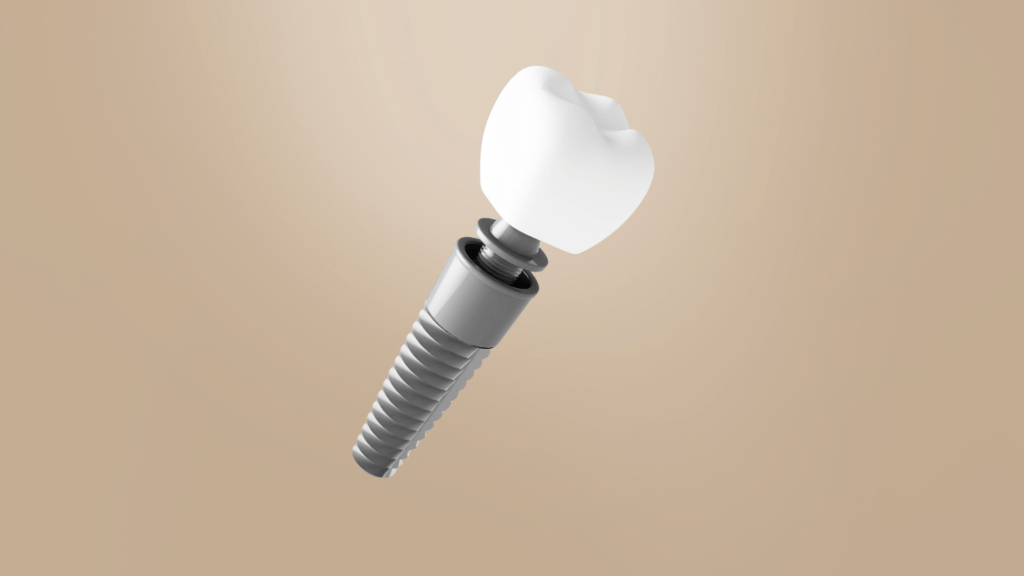
A dental implant, on the other hand, replaces a tooth that’s missing or heavily compromised. Rather than covering an existing tooth, it replaces the tooth from the root up, providing support for a replacement crown once the implant has integrated with the jawbone.
A simple way to think about it is this: veneers can modify teeth that are already there, while dental implants replace teeth.
When might dental implants be recommended?
Dental implants are used to replace missing teeth or teeth that can no longer be predictably restored.
Whether a dental implant is the most appropriate treatment depends on factors such as the condition of the tooth, your oral health, the number of teeth involved and your long-term treatment goals.
Missing teeth or teeth that are heavily compromised
Teeth can be lost for many reasons, including advanced decay, gum disease, injury or trauma. Once a tooth is missing, treatment focuses on replacing it so you can restore everyday functions such as chewing and speaking, while also helping maintain your bite.
Depending on your needs, a dental implant may be used to replace a single missing tooth, several missing teeth or, in some cases, a full arch of teeth.
Severely damaged, decayed or failing teeth
Not every damaged tooth needs to be removed. In many cases, treatments such as fillings, crowns or root canal therapy can restore a tooth and help it function for many years.
However, some teeth become so damaged that they can no longer be predictably restored. This may occur when there is extensive decay, a crack extending deep into the tooth, repeated infections or significant structural damage that leaves minimal remaining healthy tooth structure.
If a tooth is unlikely to provide a reliable long-term outcome, extraction may be an option. A dental implant may then be considered as one option to restore the missing tooth.
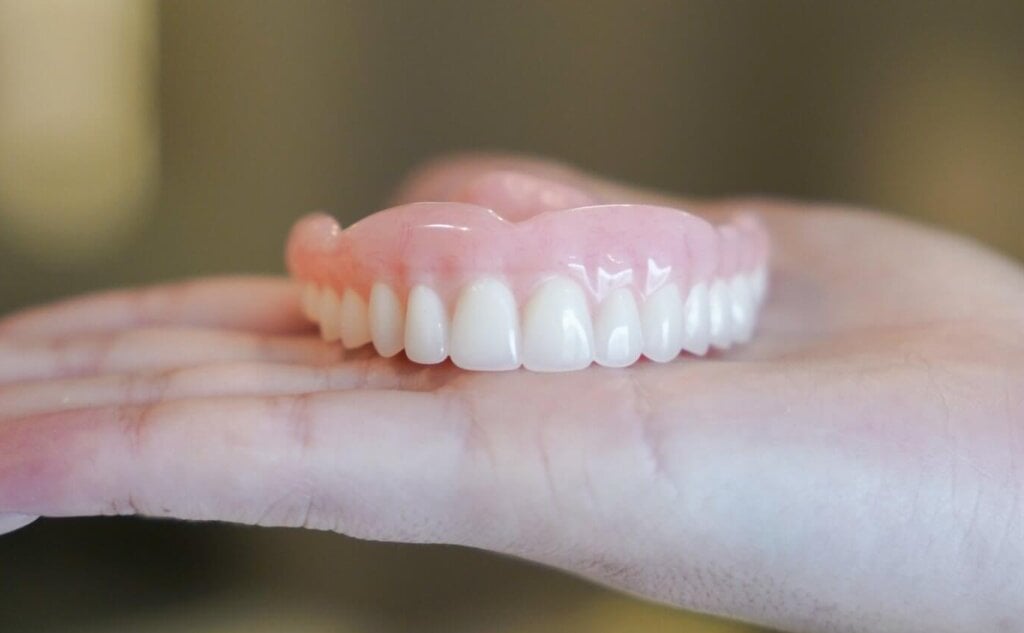
When bridges or dentures may also be considered
Dental implants are one option for replacing missing teeth, but they aren’t the only one.
Depending on the number of missing teeth, the condition of the neighbouring teeth and your preferences, other replacement options may also be considered, including a dental bridge or a removable denture.
For example, a dental bridge may be suitable if the neighbouring teeth are healthy enough to support it. A removable denture may be appropriate when several teeth are missing, when surgery isn’t suitable or when a removable solution is preferred.
When might veneers be considered?
Veneers are generally considered when the goal is to enhance the appearance of existing teeth rather than replace them. They’re most suitable when the underlying tooth is healthy enough to support the veneer and the concerns are primarily cosmetic.
Chipped, worn, uneven or discoloured teeth
When the underlying tooth is healthy, veneers can be used to address a range of cosmetic concerns without replacing the tooth itself.
Common reasons people consider veneers include chipped edges, worn teeth caused by grinding, discolouration that doesn’t respond to professional teeth whitening, or teeth that appear uneven in size or shape.
Because veneers cover the front surface of the tooth, they’re designed to change its visible appearance while preserving as much natural tooth structure as possible. They can also be colour matched to blend naturally with your surrounding teeth.
Gaps, shape concerns or minor alignment issues
Some people have small gaps between their teeth, naturally undersized teeth or minor irregularities that affect the overall balance of their smile.
In these situations, veneers may be used to close small gaps, modify the proportions of individual teeth or create a more symmetrical appearance.
Veneers change the visible shape of a tooth rather than move it into a different position. Orthodontic treatment is also a suitable way to correct the underlying position of the teeth.
Why veneers usually require healthy existing teeth
A veneer relies on the natural tooth for support, which means there needs to be enough healthy tooth structure for it to bond securely.
If a tooth has extensive decay, a large fracture or has lost a significant amount of its natural structure, it may not provide enough support for a veneer. In these situations, restoring the health of the tooth first is often the priority before cosmetic treatment is considered.
Dental implants vs veneers cost: what can influence pricing?
Although patients often compare dental implants vs veneers cost, the two treatments involve different procedures and are planned differently. For that reason, the cost isn’t directly comparable and can vary depending on the complexity of your treatment.
Number of teeth being treated
The number of teeth being treated is one of the biggest factors influencing cost, but it’s not simply a matter of multiplying the price by the number of teeth.
For dental implants, treatment may involve replacing a single missing tooth, several teeth or a full arch, with each option requiring a different level of planning, surgery and restoration.
With veneers, the cost will vary depending on how many teeth are being treated, as multiple veneers are often planned together to achieve a balanced smile and bite.
While the number of teeth being treated has a significant influence on cost, it’s also important to consider the complexity of the treatment involved.
Materials, planning & laboratory work
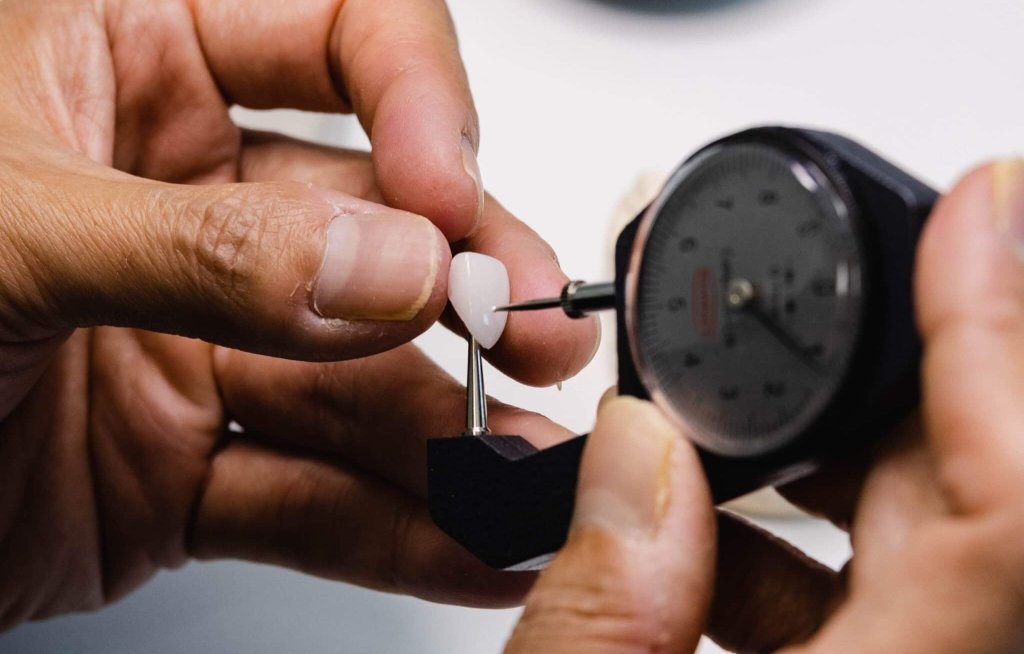
The procedure itself is only one part of the overall cost. Dental implants and veneers both require detailed planning before treatment begins, together with custom laboratory work and carefully selected materials.
For dental implants, this may include 3D imaging and computer-guided planning to assess the jawbone and determine the most suitable position for the implant. Veneers typically involve digital scans and digital smile design to plan the shape, size and appearance of each restoration before it’s custom made in a dental laboratory.
Material selection can also influence cost. Veneers may be made from porcelain or composite, while dental implant treatment may involve titanium or zirconia components.
Additional procedures or staged treatment
Some patients need treatment before dental implants or veneers can begin.
For dental implants, this could involve removing a tooth that can’t be saved or carrying out procedures to prepare the jawbone for an implant.
Before veneers, any tooth decay, gum disease or failing fillings are usually treated first to help ensure the tooth is healthy enough to support the veneer.
Treatment also isn’t always completed in a single appointment. Dental implants typically involve a healing period before the final crown is fitted, while veneers usually require time for planning, custom fabrication and fitting.
Can you choose veneers instead of dental implants?
Not always. Although dental implants and veneers can both change the appearance of a smile, they’re designed to solve different problems. The right treatment depends on what’s happening with the underlying tooth, and not just how it looks.
When a tooth may need restorative treatment instead
A veneer can’t replace a missing tooth or restore a tooth that’s no longer strong enough to support it.
If a tooth has extensive decay, a significant fracture or has lost too much healthy tooth structure, treatment may need to focus on restoring the tooth before cosmetic options such as veneers are considered.
If a tooth can be restored and kept, this is often the first option considered. However, if it can’t be predictably restored, replacing it with a dental implant may be a more appropriate long-term solution.
Why suitability depends on your teeth, gums & goals
Appearance is only one part of the decision. Your dentist will also assess whether there’s enough healthy tooth structure to support a veneer, whether there’s enough bone and gum to support a dental implant, the health of your gums and the stability of your bite, to ensure your long-term treatment goals are met.
The first step is understanding why the problem has occurred in the first place. Once that’s clear, it’s much easier to determine whether veneers, dental implants or another restorative treatment is likely to be the most appropriate and predictable option.
What if I do not have enough bone for a dental implant?
Not having enough bone does not automatically mean dental implant treatment isn’t possible, but it may affect the available treatment options, treatment complexity, timeframe and cost.
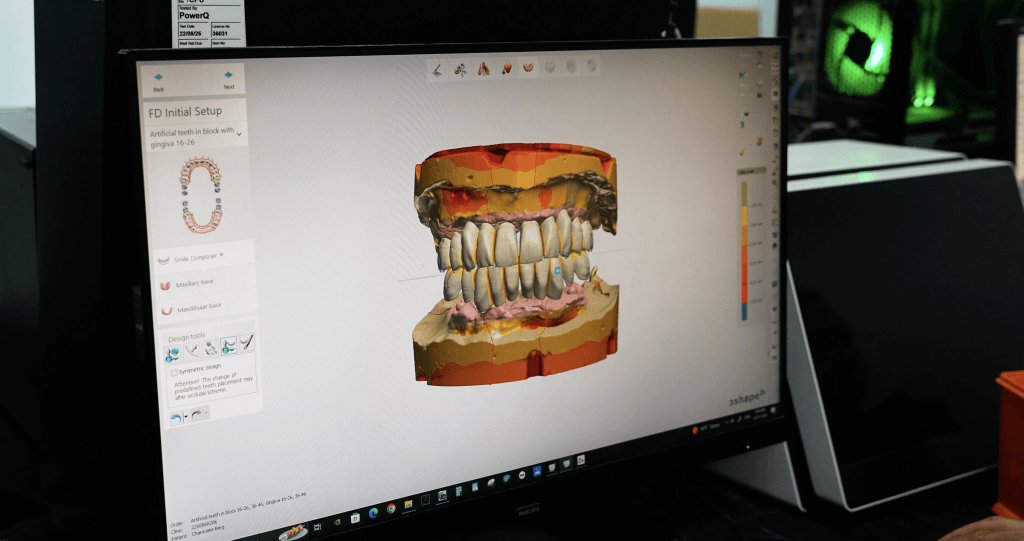
Your dentist will assess the area using a clinical examination and appropriate imaging, which may include a 3D scan. This helps assess the amount and shape of the available bone, the position of nearby structures and the condition of the surrounding gums.
Can bone or gum grafting help?
In some cases, a bone-grafting procedure may be considered to increase or preserve the available bone. Depending on the site and the amount of bone required, grafting may be performed before the implant is placed or, in selected cases, at the same appointment. Procedures may include socket preservation, guided bone regeneration or sinus augmentation.
Some patients may also benefit from soft-tissue or gum grafting to improve the thickness or stability of the gum around the planned implant. Bone and gum grafting are different procedures, and not every patient will require either as part of implant treatment.
What if a dental implant is not suitable?
Where dental implant treatment is not suitable, or if you decide it isn’t the right option for you, alternatives such as a dental bridge, removable denture or monitoring the space may be discussed.
Can you have veneers & dental implants together?
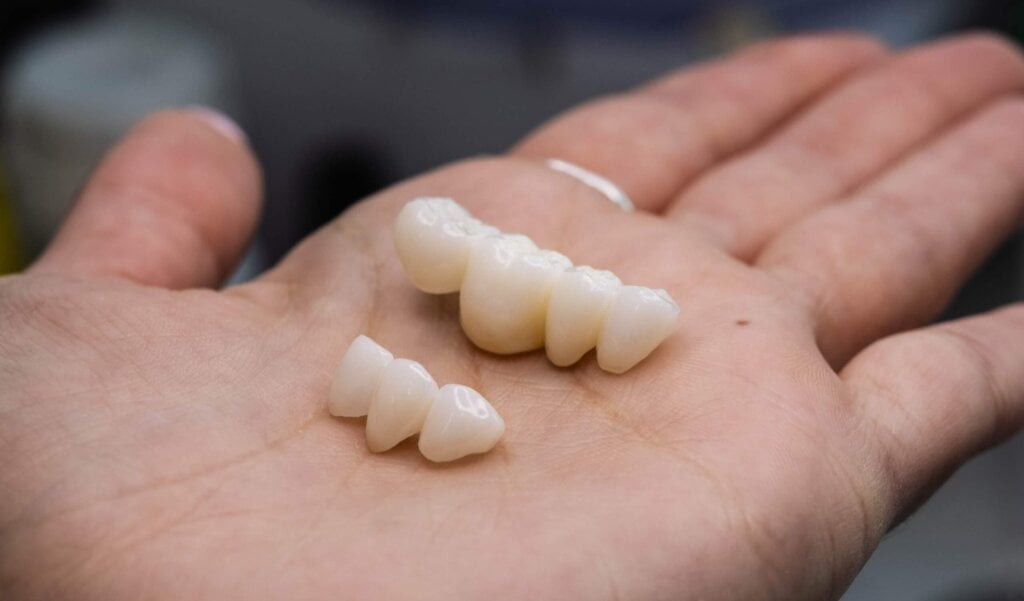
Yes, in some cases, veneers and dental implants may be used as part of the same treatment plan. Because they serve different purposes, the two treatments can complement each other rather than replace one another.
For example, a dental implant may be used to replace a missing tooth, while veneers change the appearance of neighbouring teeth. This can help create a more balanced smile while restoring the function of the missing tooth.
The key is making sure each treatment is used for the right reason. Before a combined approach is considered, your dentist will assess how each restoration will work alongside your natural teeth and fit within your overall treatment plan.
What are the risks and limitations of dental implants and veneers?
All dental procedures have potential risks and limitations. The risks most relevant to you will depend on factors such as your oral and general health, the condition of your teeth and gums, your bite, whether you smoke or vape, medications, previous dental treatment and how well the area can be maintained.
A consultation and examination are needed before your dentist can explain your individual risk profile. Treatment outcomes and longevity cannot be guaranteed.

How Dental Boutique™ approaches treatment planning
Every smile is unique, which is why treatment planning at Dental Boutique starts with understanding the health of your teeth, gums, supporting bone and bite before deciding which treatment may be most appropriate.
Rather than starting with a specific treatment, the focus is on understanding what is contributing to the concern and how different options may fit together.
Assessing oral health before cosmetic or implant treatment
Before recommending veneers, dental implants or another treatment, your dentist is looking at much more than the tooth that’s causing concern.
The health of your gums, the amount of healthy tooth structure remaining, your bite, the condition of neighbouring teeth and, where relevant, the quality and volume of bone all play an important role in treatment planning.
Digital scans and 3D imaging help build a clearer picture of these factors. For example, implant treatment is planned around the available bone and the planned position of the final tooth, while veneer planning considers how changes to the shape, size and proportions of one tooth will work with your overall smile.
Explaining suitable options, costs & alternatives
There isn’t always one single solution for a dental concern. The right approach depends on factors such as the condition of your teeth, how many teeth are involved and what you want to achieve.
For example, replacing a missing tooth may involve different options, while a damaged tooth may have different treatment pathways depending on how much healthy tooth structure remains.
Each option has its own considerations, including the treatment process, maintenance and cost. Dental Boutique’s role is to explain the differences between your options and the reasoning behind each recommendation, so you can make an informed decision about your care.
Supporting informed consent before treatment
At Dental Boutique, we believe informed consent is more than signing a form. It’s about making sure you understand your diagnosis, the treatment options available, why a particular approach has been recommended, and any potential risks, benefits and limitations involved.
Depending on the concern, alternatives may include monitoring the area, professional whitening, composite bonding, orthodontic treatment, fillings, crowns, root canal treatment, a dental bridge or a removable denture.
Not proceeding with treatment may also be a reasonable option in some circumstances. Your dentist can explain the likely consequences of monitoring or delaying treatment so that you can compare this with the risks and benefits of active treatment.
You’ll have the opportunity to discuss expected ongoing maintenance, financial considerations and any alternative treatments that may be appropriate. We encourage patients to ask questions and take the time they need to make an informed decision about their care.

Summary
- Dental implants and veneers aren’t competing treatments. Implants replace missing teeth or teeth that can’t be predictably restored, while veneers improve the appearance of healthy existing teeth.
- The right treatment starts with the right diagnosis. Before recommending veneers, dental implants or another treatment, your dentist will assess factors such as your tooth structure, gums, bone support and bite.
- Cost depends on more than the treatment itself. The number of teeth being treated, planning, materials, laboratory work and any additional procedures can all influence the overall cost.
- Sometimes both treatments are used together. Dental implants can replace missing teeth while veneers improve the appearance of neighbouring teeth as part of the same treatment plan.
- Treatment planning is just as important as the procedure itself. Understanding your options, the reasons behind each recommendation and the expected long-term maintenance helps you make an informed decision about your care.