




Gum disease is a common condition that can affect many people at some point in their lives. If left untreated, it may lead to inflammation, discomfort, and in some cases, damage to the gums, teeth, and jawbone.
Early assessment and treatment of gum disease can help manage these effects and support oral health. There are a range of treatment options available, including non-surgical, surgical, and cosmetic procedures. The most appropriate approach depends on the severity of the condition and should be discussed with a dental professional.
If you are concerned about your gums or notice any symptoms, it is recommended to seek advice from a dentist or qualified oral health professional to determine the most suitable care for your individual needs.
So, can you have composite bonding with gum disease?
Let’s dive into it.

What is Composite Bonding?
Composite bonding is a type of cosmetic dentistry that improves the appearance of your teeth and smile. The treatment involves applying a tooth-coloured resin to your natural teeth to repair chips, discolouration, misalignment, or damage caused by tooth decay.
The treatment is one of the most popular cosmetic dental procedures as it is timely, cost-effective, and minimally-invasive. Composite bonding can also deliver natural results; your dentist will colour-match the resin to your real teeth to ensure a seamless look.
But how does the process work?
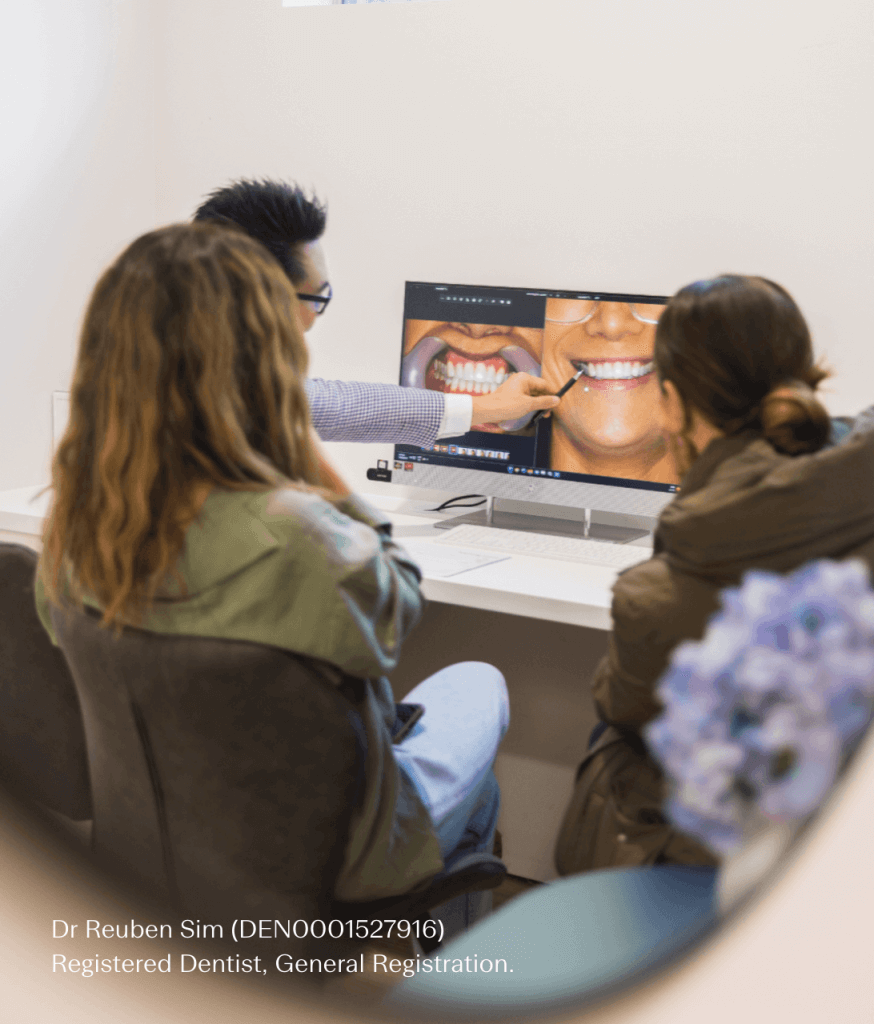
Your dentist will begin by talking to you about the treatment, your concerns and your goals. They will take photos and videos of your teeth and will use these visuals to construct a digital smile design.
You will then be shown a preview of your digital smile design. From here, you can make any adjustments to the colour or shape of the composite bonds. Our cosmetic artisans will begin creating your custom resin shade and we will set you up for your next appointment.
On your next appointment, your dentist will apply the resin to your teeth and set it with a blue UV light. When the resin has hardened, they will then trim and shape the bond to create a natural finish.
The application process generally takes 30 minutes to one hour. You won’t need to worry about recovery time once your composite bonding has been applied, you can go about your day as normal.
What is Gum Disease?
Gum disease occurs when the soft tissue surrounding and supporting your teeth becomes infected.
There are two types of gum disease. Gingivitis is the milder of the two and typically causes red and swollen gums that may bleed when brushed. Gingivitis can be reversed with good dental hygiene. However, if gingivitis is left untreated, it can progress into periodontal disease. This is a severe form of gum disease that can cause the gums to become weak and sore.
Periodontal disease can cause the gums to recede from the tooth root, leaving the root exposed. As a result, your teeth will feel more sensitive to very hot, very cold and very sugary food and drink. Space may begin to form between the gum and tooth, which can trap bacteria and accelerate the decay.
As the rotting progresses, the bone supporting your teeth is at risk of disintegrating. From here, your teeth may begin to loosen before eventually falling out.
How is Gum Disease Treated?
The main goal in the treatment of gum disease is to control the infection.
The type of treatment you receive will depend on the extent of your gum disease and the damage to the teeth, gums and bone. Your dentist will begin by taking X-rays to assess the extent of damage and will then clean all plaque and tartar from your teeth and gums.
You may require special treatments such as root planing, gum scaling and antibiotics to successfully control the infection. If your gum disease is severe and has caused significant bone loss, you may require a bone graft.
Damage to the teeth can be resolved with cosmetic dental treatments such as composite bonding and veneers.
If you’re struggling with the aesthetic impacts of gum disease, composite bonding may be the right solution for you.
Can You Have Composite Bonding with Gum Disease?
So, can you have composite bonding with gum disease?
Yes, it is possible. However, your dentist will need to clear signs of infection and bacteria first.
When your infection has been successfully treated, your dentist may advise composite bonding to repair the aesthetic damage to your teeth.
There are a number of benefits to receiving composite bonding with gum disease. Composite bonding can help to improve the appearance of teeth that may be chipped, decayed, discoloured or misshapen due to gum disease.
It can also help to prevent your gum disease from progressing further; composite bonding can be used to eliminate the gap between your teeth and gums, which reduces the risk of bacteria attacking the nerves and structures supporting your teeth.
Can You Get Composite Bonding for Gum Recession?
Not only can you receive composite bonding with gum disease, but it can also be used to treat gum recession. If you have receding gums, your dentist will apply the composite resin to the exposed tooth root. This will make your teeth appear longer so that your gum line looks even and natural.
The bonding resin will help to protect your tooth root from damage and decay. It can also reduce tooth sensitivity by shielding your nerve endings from hot, cold and sugary substances.
There are a few things you’ll need to keep in mind when receiving tooth bonding for gum recession.
Firstly, composite bonding can stain, so you’ll need to take extra care in brushing and flossing after consuming food and drink that is prone to staining (think red wine and coffee).
Secondly, composite resin is prone to chipping, so it’s best to avoid chewing on very hard materials like ice, fingernails and pen lids.
With good dental hygiene, your composite bonds should last between three and ten years. Brushing twice daily, flossing, rinsing with mouthwash and visiting your dentist twice a year will help to keep your bonds in good condition.
Get Composite Bonding with Gum Disease
If you’re suffering from gum disease, there are a number of treatments that can help to treat the infection, alleviate pain and repair the damage to your teeth, gums and bones.
Fortunately, it is possible to get composite bonding done with gum disease. Your dentist will clear your infection and then apply natural-looking resin bonds to the affected teeth, creating a healthier and even smile.
Get in touch with us to learn more about receiving composite bonding with gum disease, or book an appointment at one of our clinics.
Summary
- Gum disease, from mild gingivitis to severe periodontal disease, can cause tooth loss, sensitivity and gum recession.
- Managing gum disease involves cleaning, antibiotics, and advanced procedures like scaling or bone grafts for severe cases.
- This cosmetic procedure restores damaged teeth and protects against further issues after gum disease treatment.
- Composite bonding improves appearance, reduces sensitivity, and lasts 3–10 years with proper hygiene.

Discover our personalised approach to your smile
About Dental Boutique
At Dental Boutique™, we focus on providing dental treatments tailored to each patient’s individual oral health needs. Our team works across multiple areas of dentistry to help patients explore appropriate treatment options.