




If you’re considering improving the appearance of your teeth, your dentist may discuss two common cosmetic treatment options with you: composite bonding and porcelain veneers. Both treatments can help enhance the look of your teeth, but they work differently and may suit different goals, budgets, and oral health needs.
This guide outlines how each treatment works, how they compare, general pricing information, and the factors your dentist may consider when developing your personalised treatment plan.
Important: This information is general in nature and does not replace professional advice. Suitability, risks, and expected outcomes vary between individuals. A clinical assessment with an AHPRA-registered dentist is required before determining any treatment plan.
What is composite bonding?
Composite bonding is a tooth-coloured composite resin that is applied and shaped directly onto the surface of a tooth. It may be considered when making smaller aesthetic adjustments, such as smoothing a minor chip, refining the shape of a single tooth, or addressing localised areas of discolouration.
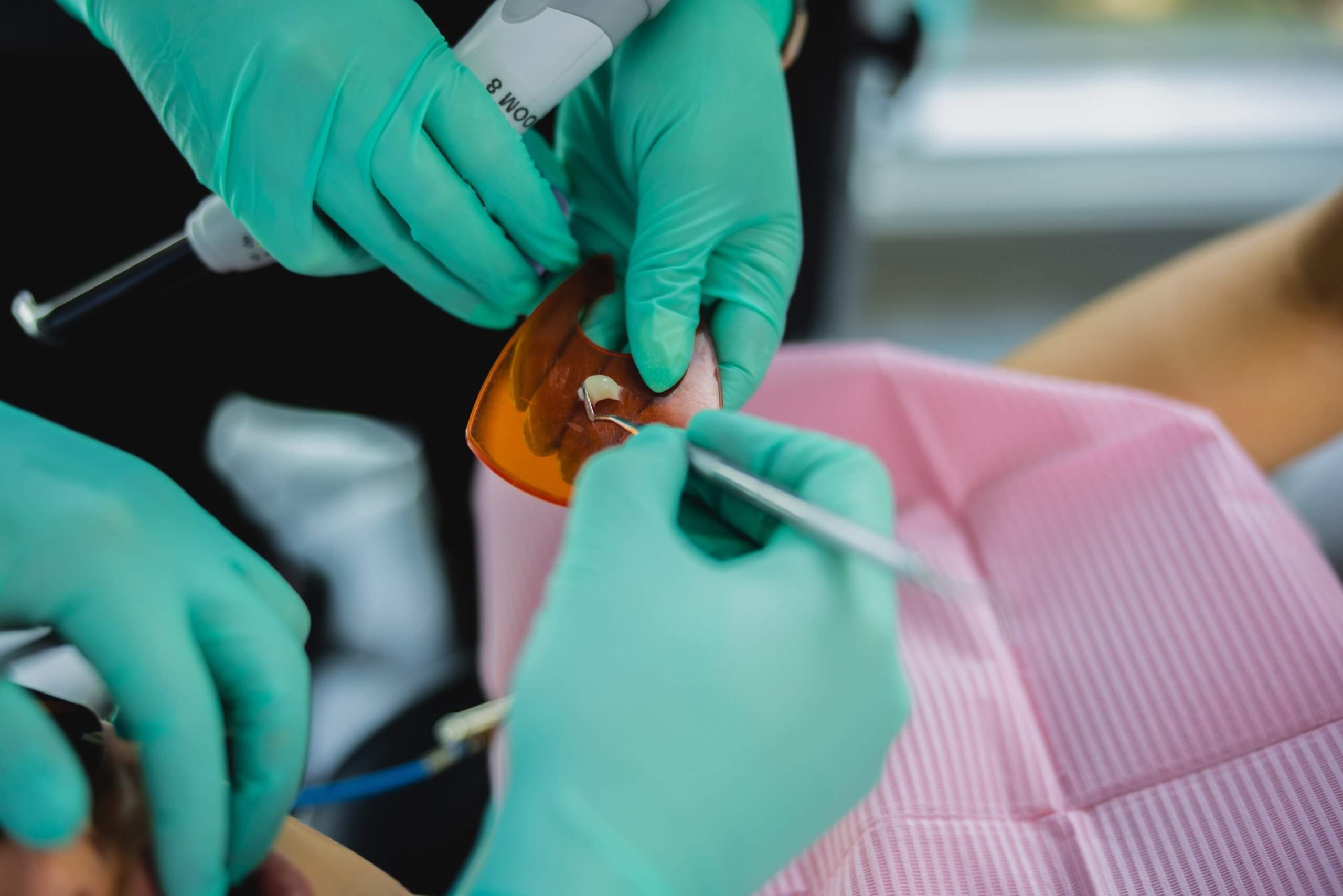
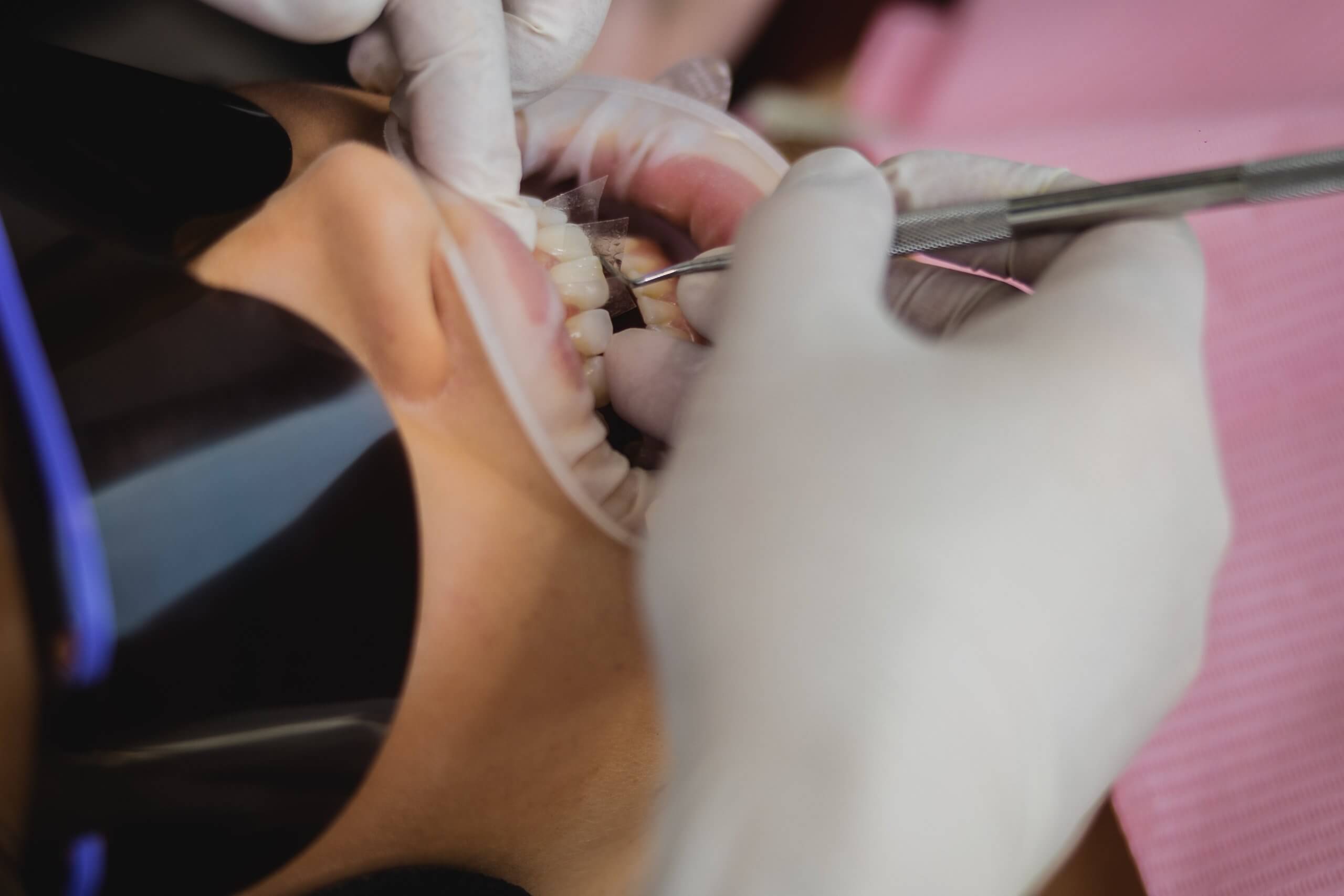
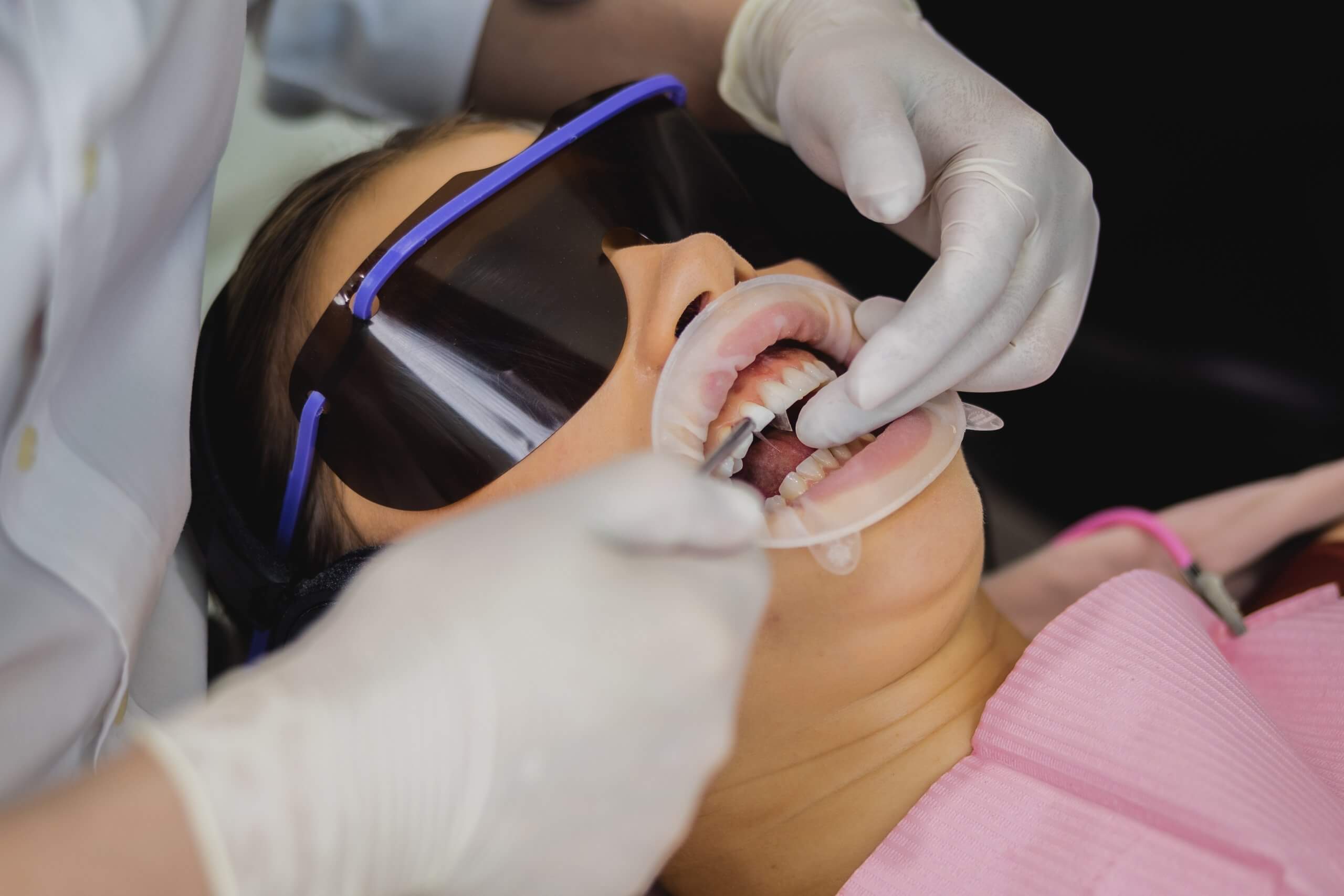
During the appointment, the tooth surface is prepared, the composite material is layered and carefully sculpted, and the final result is polished so it blends with the surrounding teeth. Bonding is typically completed in a single visit, depending on how many teeth are being treated.
What are porcelain veneers?
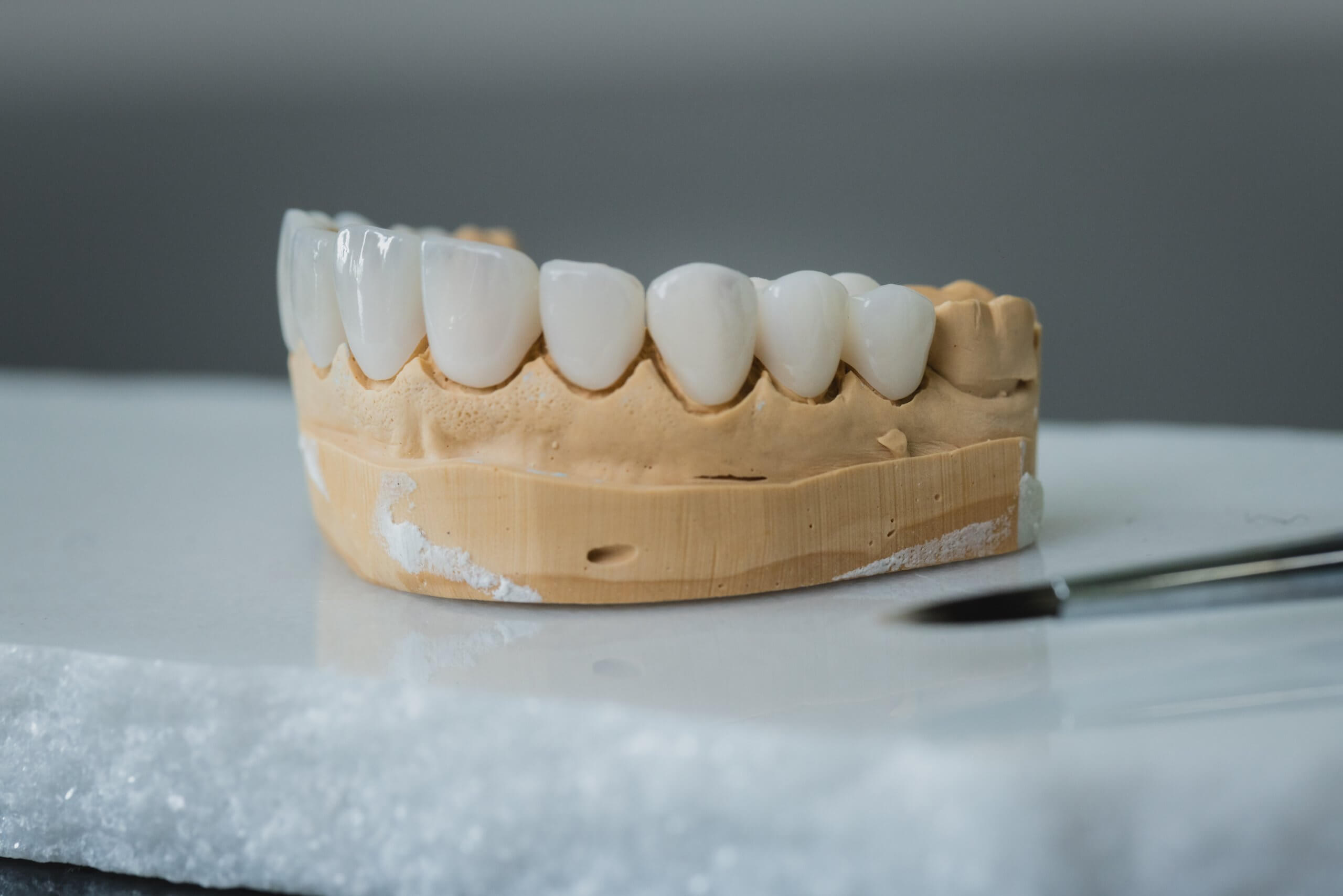
Porcelain veneers are thin, custom-made ceramic restorations designed to cover the front surface of the teeth. They may be considered when several teeth are involved or when the goals relate to improving colour, shape, symmetry, or spacing.
The veneer process typically involves a series of appointments. This may include assessment and planning, temporary smile, and the final placement of the ceramic veneers once they have been custom-made in the laboratory. Because a small amount of enamel is usually removed, veneers are considered a long-term restoration. Your dentist will discuss suitability, risks, and alternative options during your consultation.
How each treatment works
Composite Bonding: Bonding is shaped directly on the tooth. Your dentist will assess the area being treated, select an appropriate shade, prepare the surface, and apply the composite resin in layers. Once the material is shaped, it’s set and polished so it blends with the surrounding teeth. Bonding is often completed in a single appointment, depending on how many teeth are involved.
Porcelain Veneers: The veneer process usually involves several appointments. It includes an initial consultation to assess suitability. This is then followed by 3D scans and simulations to preview an illustration of potential result options. Porcelain Veners also includes a trial stage to provide feedback before the creation of customised ceramic veneers in a dental laboratory. At the final visit, the veneers are bonded to the teeth, and any minor adjustments are made to support comfort and fit.
If you’d like to understand how these treatments may apply to your smile, you can book a complimentary consultation online.
Composite bonding vs porcelain veneers: A complete comparison
| Feature | Composite Bonding | Porcelain Veneers |
| Material | Composite resin | Porcelain ceramic |
| Aesthetic possibilities | Suitable for small refinements to individual teeth | Suitable to address variations in size, shape, colour and gaps. |
| Treatment approach | Direct application completed in a single visit (varies by case) | Multi-step process involving trial smile , laboratory preparation, and final placement |
| Longevity | May require more frequent maintenance, up to 3-7 years on average | Typically longer-lasting when maintained. up to 10-15 years on average |
| Reversibility | Often reversible | Considered a long-term restoration |
| Stain resistance | Resin-based, more prone to staining, good oral hygiene can help preserve appearance | Made from non-porous ceramic, typically resistant to surface staining |
| Approx. cost* | Starting from $450 per tooth | Payment plans start from ~$9 a week based on 48 months repayment Starting from $2000 per tooth |
How much does composite bonding and veneers cost?
Costs can vary depending on your individual clinical needs and the number of teeth involved. The ranges below are based on our 2025 Price List and are intended as a general guide only.
Based on our 2025 Price List:
- Composite Bonding: Starting from $450 per tooth
- Porcelain Veneers: Payment plans start from ~$9 a week based on 48 months repayment, starting from $2000 per tooth
Flexible payment plan options may be available through third-party providers. You can learn more on our payment plans page.
* Prices are provided as a general guide only and do not represent a quote. Final costs will depend on your personalised treatment plan following a clinical assessment by a dentist. Payment plan options are offered through third-party providers and are subject to their eligibility criteria, terms and conditions. Additional fees may apply. Please speak to our team or your provider for full details.
What can influence your final cost?
The final cost of dental bonding or porcelain veneer treatment can vary depending on your individual clinical needs. Factors that may influence your personalised treatment plan include:
- Number of teeth involved
- Extent of the aesthetic changes you’d like to achieve
- Type of materials selected for your treatment
- Complexity of shaping, contouring, or colour matching
- Whether bonding and veneers are combined as part of the same case
- Any preparatory treatment your dentist may recommend, such as managing decay or gum concerns
When composite bonding may be considered
Composite bonding may be considered when making smaller aesthetic adjustments. It is generally suited to situations where only one or a few teeth are involved. Your dentist may discuss bonding with you if you:
- Prefer a treatment that can often be completed in a single visit
- Are addressing localised concerns, such as a small chip or minor shape refinement
- Would like minimal changes to the underlying tooth structure
- Are making aesthetic adjustments to one or two teeth rather than multiple teeth
When porcelain veneers may be considered
Porcelain veneers may be discussed when broader or more coordinated aesthetic changes are desired across several teeth. Veneers may be considered if you:
- Are looking to enhance the appearance of multiple teeth at the same time
- Prefer a material that is more resistant to staining than composite resin
- Would like greater control over shape, shade, symmetry, or spacing
- Are seeking a more comprehensive aesthetic treatment plan across your smile
Risks & considerations
Like all dental procedures, composite bonding and porcelain veneers both have potential risks and limitations. These can vary depending on your oral health, habits, and the number of teeth involved. Some considerations your dentist may discuss with you include:
- Tooth sensitivity, which may occur temporarily after treatment
- Wear or chipping, particularly with composite bonding
- Maintenance or replacement over time, as materials can change with use
- Colour differences if whitening is completed after treatment
- Irreversibility, in the case of veneers where enamel has been removed
Your dentist will review the unique risks, alternatives, and expected maintenance during your consultation so you can make an informed decision. You can read more about potential risks on our treatment risks page.
Summary
- Composite bonding uses tooth-coloured composite resin and is often suited to minor chips, contouring, small gaps, or localised discolouration. It is typically completed in a single visit.
- Porcelain veneers are custom-made ceramic restorations designed for broader aesthetic changes across multiple teeth, including improvements to shape, colour, symmetry, and spacing. Treatment is usually completed over several appointments.
- Costs vary based on the number of teeth involved and are tailored to each individual. Bonding generally ranges from $450 per tooth, while porcelain veneers typically range from $2,000 per tooth.
- Durability differs between materials. Bonding may require more frequent maintenance due to staining or wear, while porcelain veneers generally offer greater stain resistance and longer-lasting results when maintained.
- Suitability depends on your individual goals and oral health. Bonding may be considered for subtle refinements, whereas veneers may be discussed for more comprehensive aesthetic changes across several teeth. Your dentist will guide you through which option may be appropriate for your situation.