



Composite bonding, sometimes called dental bonding, is a cosmetic dental treatment that can improve the look of teeth. It’s commonly used to address chips, cracks, gaps, or discolouration.
This guide outlines what the treatment involves, the procedure, possible costs, payment options, insurance considerations, and factors that can affect the final price.
What is composite bonding?
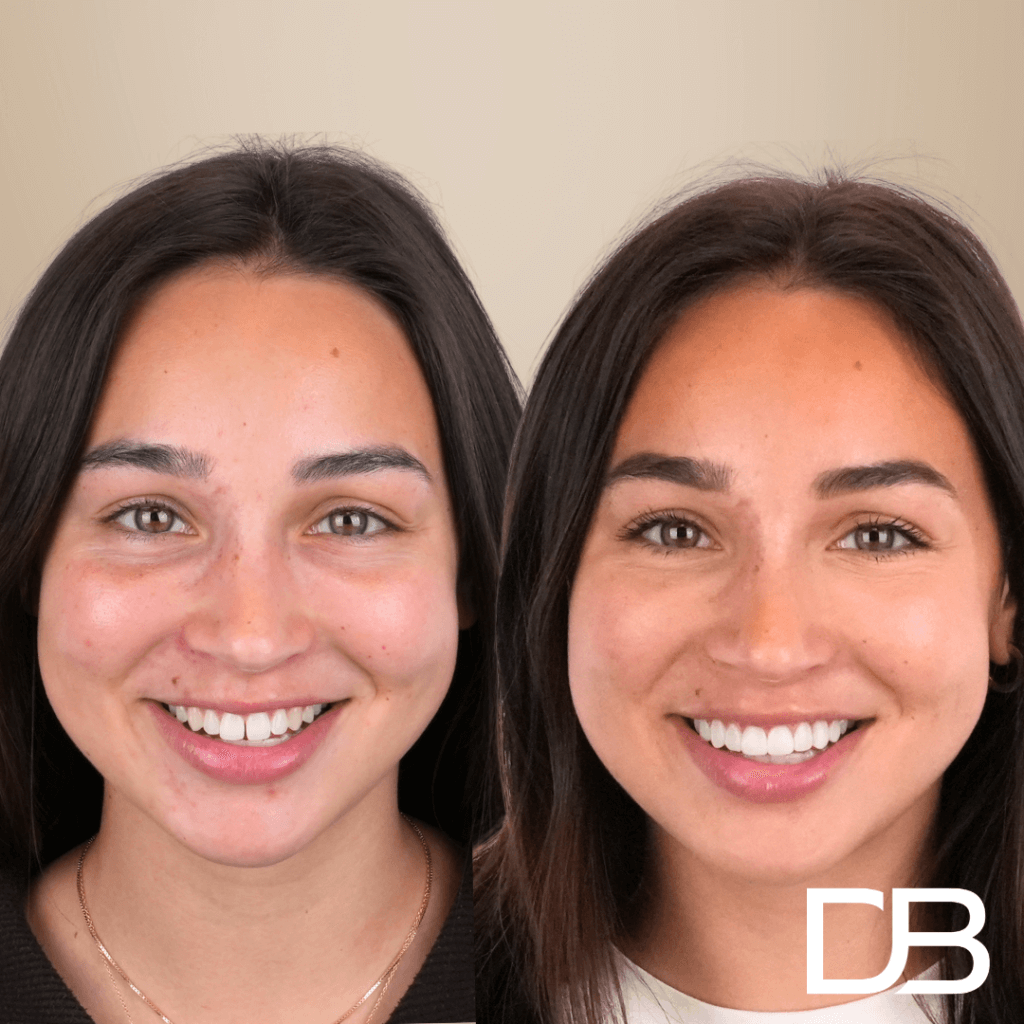
Composite bonding is a cosmetic dental treatment where a tooth-coloured resin is applied to your teeth to modify their size, shape, or colour. This non-invasive procedure may be used to:
- Lengthen teeth
- Fill gaps
- Even out edges
- Correct discolouration
- Repair chips or cracks
Composite bonding is generally reversible and does not usually require enamel removal, unlike veneers. Your dentist can discuss whether this treatment is suitable for your individual situation.
The composite bonding procedure: step by step
Here’s what to expect during your composite bonding treatment, from your first consultation to the completion of your procedure.
Initial Consultation
Your journey begins with a consultation. Your dentist will assess your oral health, discuss your smile goals, and determine if composite bonding is suitable for you. You’ll also have the chance to review costs, explore payment plans, and ask any questions. You can learn more about your options by booking a complimentary consultation online.
Step 1: Custom Smile Design
Your treatment starts with a personalised smile design. You’ll talk through your goals, facial shape, and unique features with your dentist. Photos and videos may be used to guide your treatment, and work won’t proceed until you and your dentist are aligned on the plan.
Step 2: Choosing Your Colour
Once your design is finalised, your dentist will help select a resin shade intended to match your teeth. You can discuss the colour and make adjustments to support a cohesive, natural-looking result.
Step 3: Application
Your teeth are first prepared with a conditioning liquid to help the resin adhere. The resin is then applied, shaped, and fitted. A blue UV light hardens the material, and your dentist completes the process with trimming, polishing, and any necessary adjustments.
Procedure Duration
Each application typically takes 30 to 60 minutes per tooth, depending on the specific treatment required.
Pain & Recovery
Composite bonding is generally non-invasive. Mild sensitivity may occur and can usually be managed with over-the-counter pain relief.
Composite bonding cost breakdown
To help you understand what goes into your treatment, here’s a breakdown of what’s typically included and how costs are structured.
The cost usually covers the resin materials, your dentist’s application and shaping, and routine follow-up appointments. Depending on your individual needs, additional costs may apply for preparatory work, adjustments, or gum treatment. If you’d like to explore your personalised treatment options and costs, you can book a complimentary consultation online.
Based on our 2025 Price List:
Single Tooth: Starting from $450 per tooth
Includes resin material, application and shaping, and routine follow-ups.
Additional/Optional Costs: Varies
May include preparatory work, gum treatment, adjustments, or extra follow-ups as required by your dentist.
* Prices are provided as a general guide only and do not represent a quote. Final costs will depend on your personalised treatment plan following a clinical assessment by a dentist. Payment plan options are offered through third-party providers and are subject to their eligibility criteria, terms and conditions. Additional fees may apply. Please speak to our team or your provider for full details.
What factors affect the cost of composite bonding?
The total cost of composite bonding can vary depending on several factors:
- Number of teeth treated: More teeth require additional time and materials.
- Complexity of concerns: Chips, gaps, or significant reshaping can influence pricing.
- Materials used: Higher-quality composite resins or special shades may cost more.
- Additional preparatory work or follow-ups: Procedures such as gum treatment, tooth preparation, or adjustments can add to the overall cost.
Understanding these factors helps explain why treatment plans differ between patients and allows your dentist to tailor a plan to your individual needs.
Composite bonding payment plans
At Dental Boutique™, we offer flexible payment plans to help make composite bonding more manageable. Payments can be scheduled weekly, fortnightly, or monthly, depending on your chosen provider. Learn more about our flexible payment plans.
All plans are arranged through trusted third-party providers such as Afterpay, Humm, Zip, or Latitude. Eligibility is assessed individually, and approval is required. A deposit may also be needed to secure your treatment. To discuss personalised payment plan options, you can book your complimentary consultation online.
Insurance coverage for composite bonding
Composite bonding is generally not fully covered by private health insurance, though some funds may provide partial assistance depending on your extras cover.
To check your policy, ask your provider:
- “Do you cover composite bonding or related procedures?”
- “What is my annual limit for major dental treatments?”
- “Are there waiting periods or exclusions I should be aware of?”
Coverage varies between funds and plans, so getting personalised advice from your health fund is essential.
Composite bonding vs other cosmetic dental options: cost comparison
Here’s a comparison of composite bonding with other cosmetic dental treatments to help you understand potential options and associated costs, based on our 2025 Price List.
| Treatment | Typical Cost | Notes |
| Composite Bonding | Starting from $450 per tooth | Non-invasive, reversible; treatment duration varies depending on the number of teeth and complexity. |
| Porcelain Veneers | Starting from $2,000 per tooth | Requires enamel removal; generally more durable. Payment plans may be available based on a 48-month term and eligibility. |
| Teeth Whitening | $790 per treatment | Improves tooth colour; does not alter shape, gaps, or repair chips. |
How to understand your personalised cost
During your consultation, your dentist will review your oral health, discuss your smile goals, and evaluate the complexity of your concerns. They’ll consider factors such as:
- The number of teeth being treated
- The materials most suitable for your smile
- Any additional preparatory procedures required
This ensures your personalised cost reflects your individual treatment plan. Every smile is unique, so costs can vary between patients.


Summary
- Treatment: Non-invasive cosmetic enhancements for minor concerns such as chips, gaps, discolouration, and uneven edges.
- Procedure Duration: 30 to 60 minutes per tooth.
- Cost: Starting from $450 per tooth; total costs vary depending on the number of teeth and complexity.
- Payment Plans: Weekly, fortnightly, or monthly via approved third-party providers (Afterpay, Humm, Zip, Latitude).
- Insurance: Partial assistance may be possible depending on your extras cover; check with your health fund.
- Longevity: 5 to 10 years with proper care.