
- Victoria
- New South Wales
- Queensland
- South Australia
- Western Australia

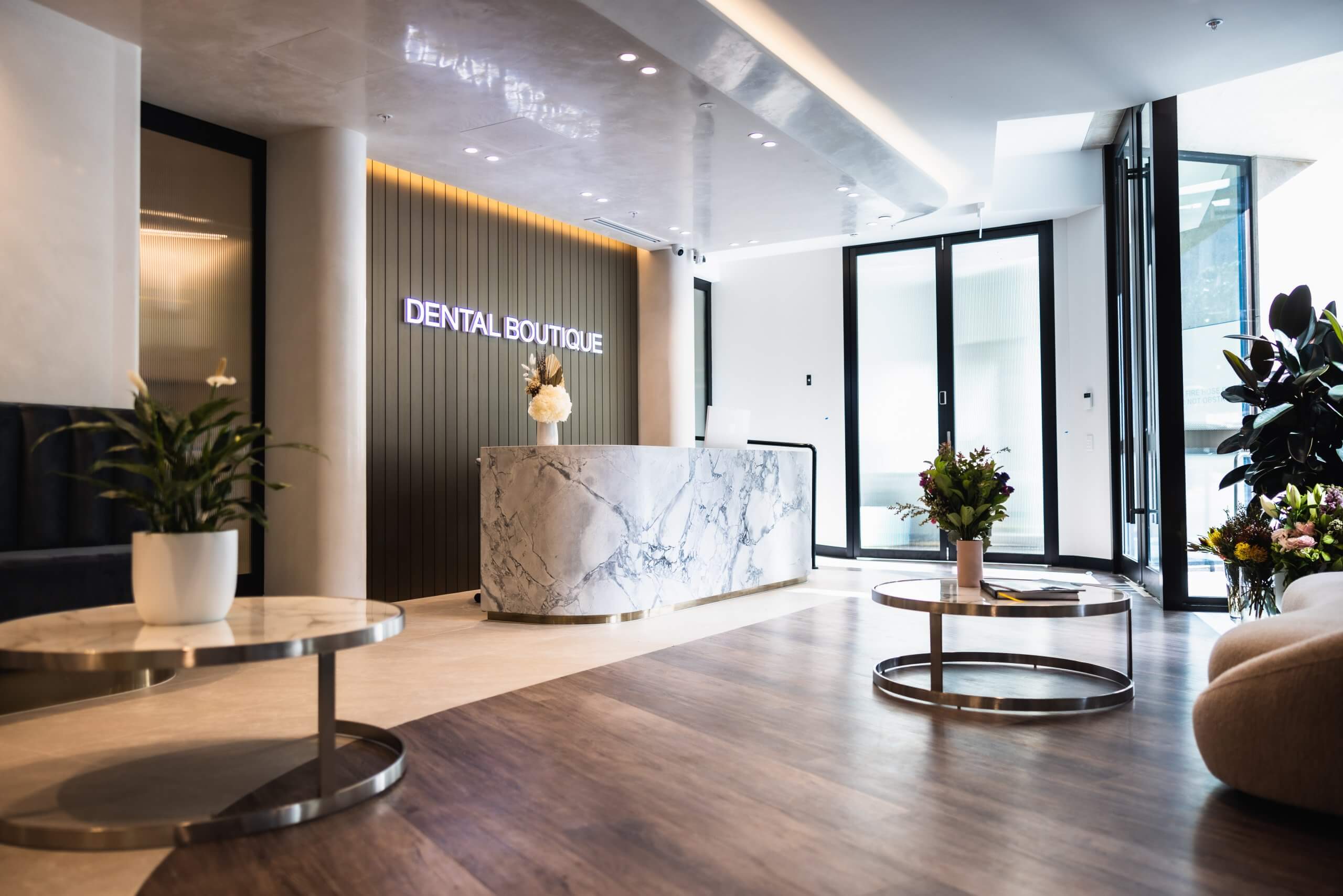
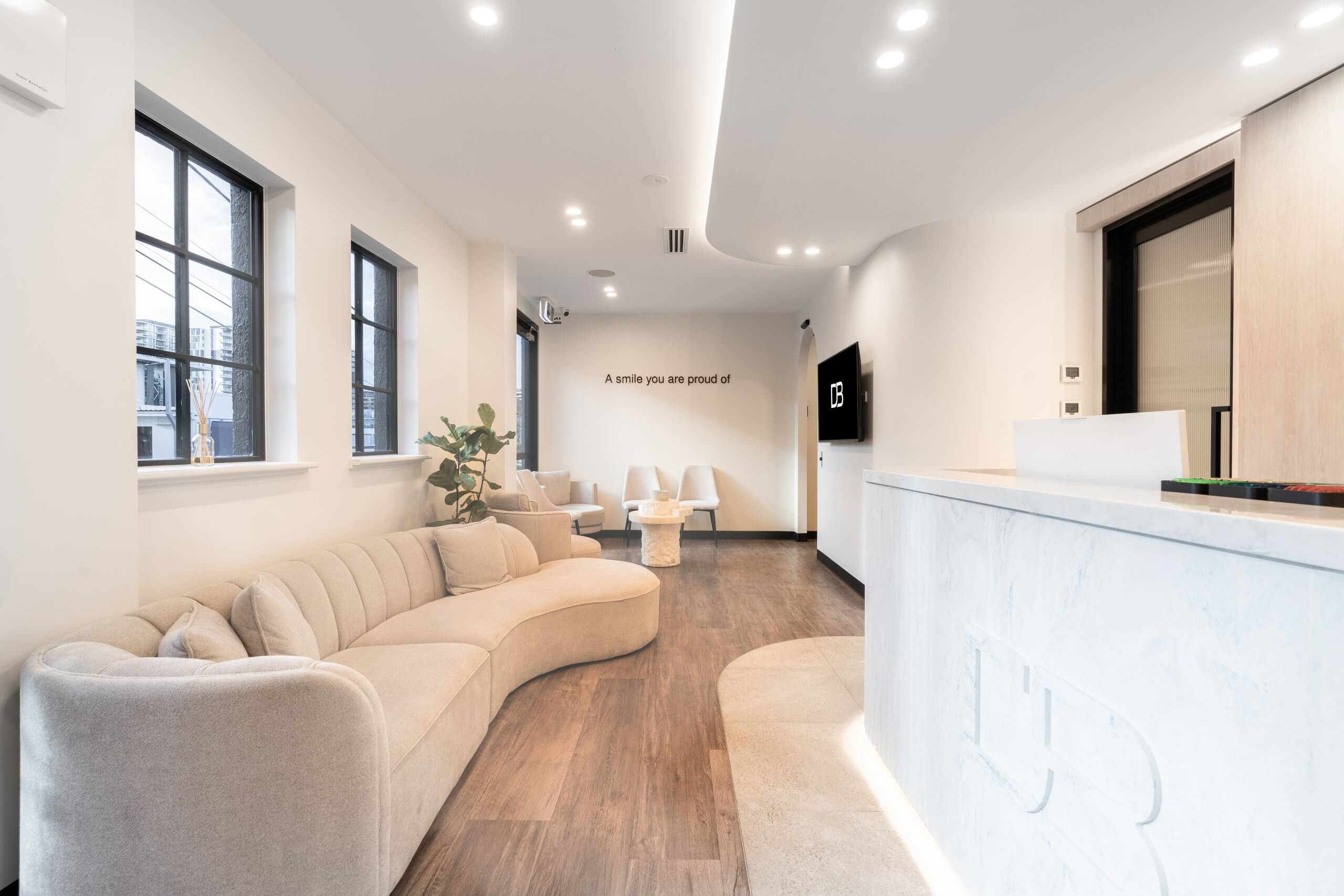
Conveniently positioned for patients across Adelaide’s eastern suburbs, our Burnside clinic combines modern dental technology with a patient-focused approach to care.
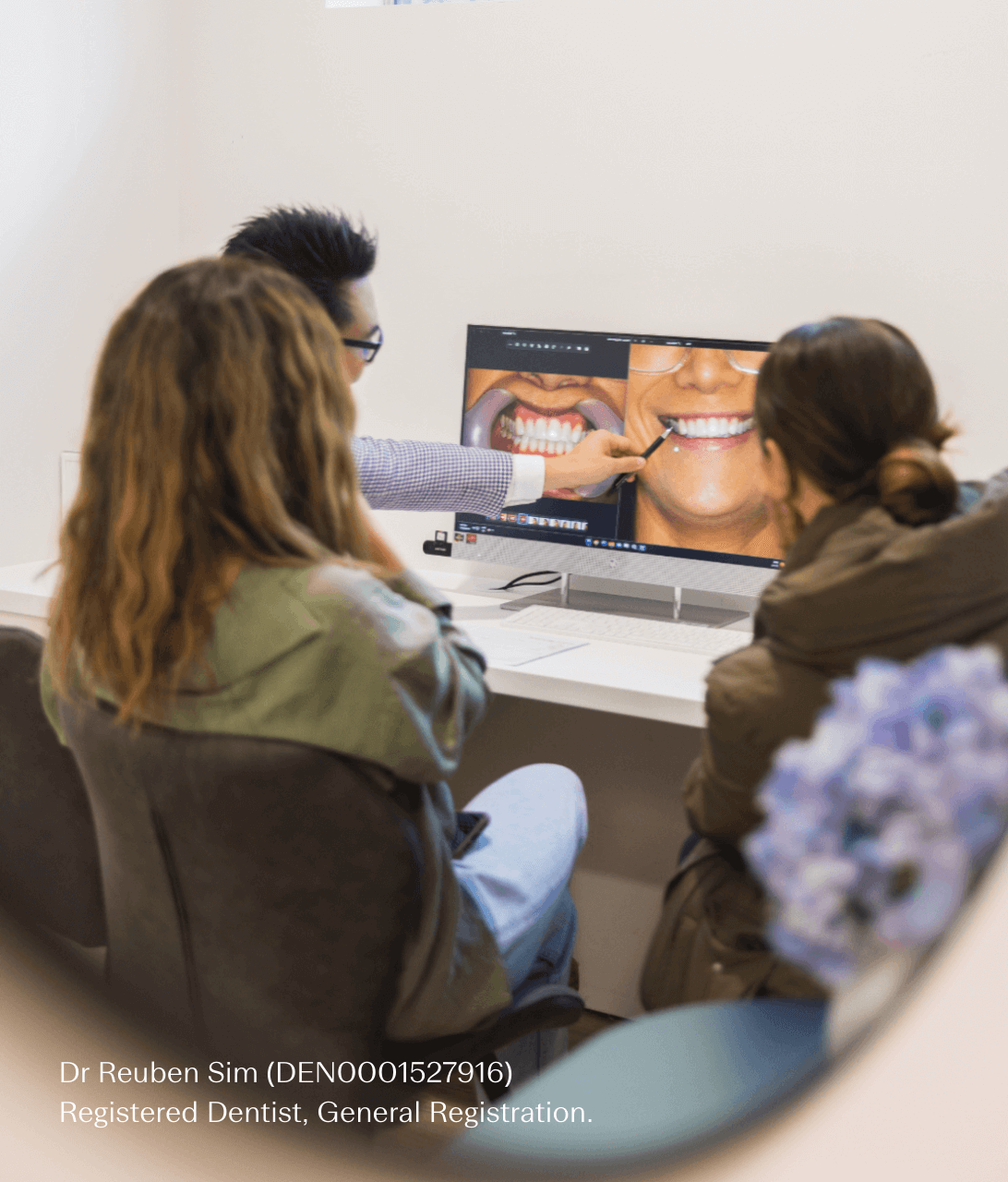
At our Burnside clinic, composite bonding is approached with the understanding that no two smiles are the same.
Whether you’re looking to address a specific concern or simply explore what options may be available, your consultation provides the opportunity to have an open conversation about your goals and what you’re hoping to achieve.
Careful planning forms an important part of the process. Using digital imaging, clinical photography and shade-matching technology, we take the time to assess the finer details of your smile and develop a treatment approach tailored to your individual needs.
Our Dental Boutique™ Burnside team will work closely with you to understand what you'd like to achieve before guiding you through the options available. From your initial consultation through to treatment, we'll plan an approach that reflects your goals and the unique characteristics of your smile.
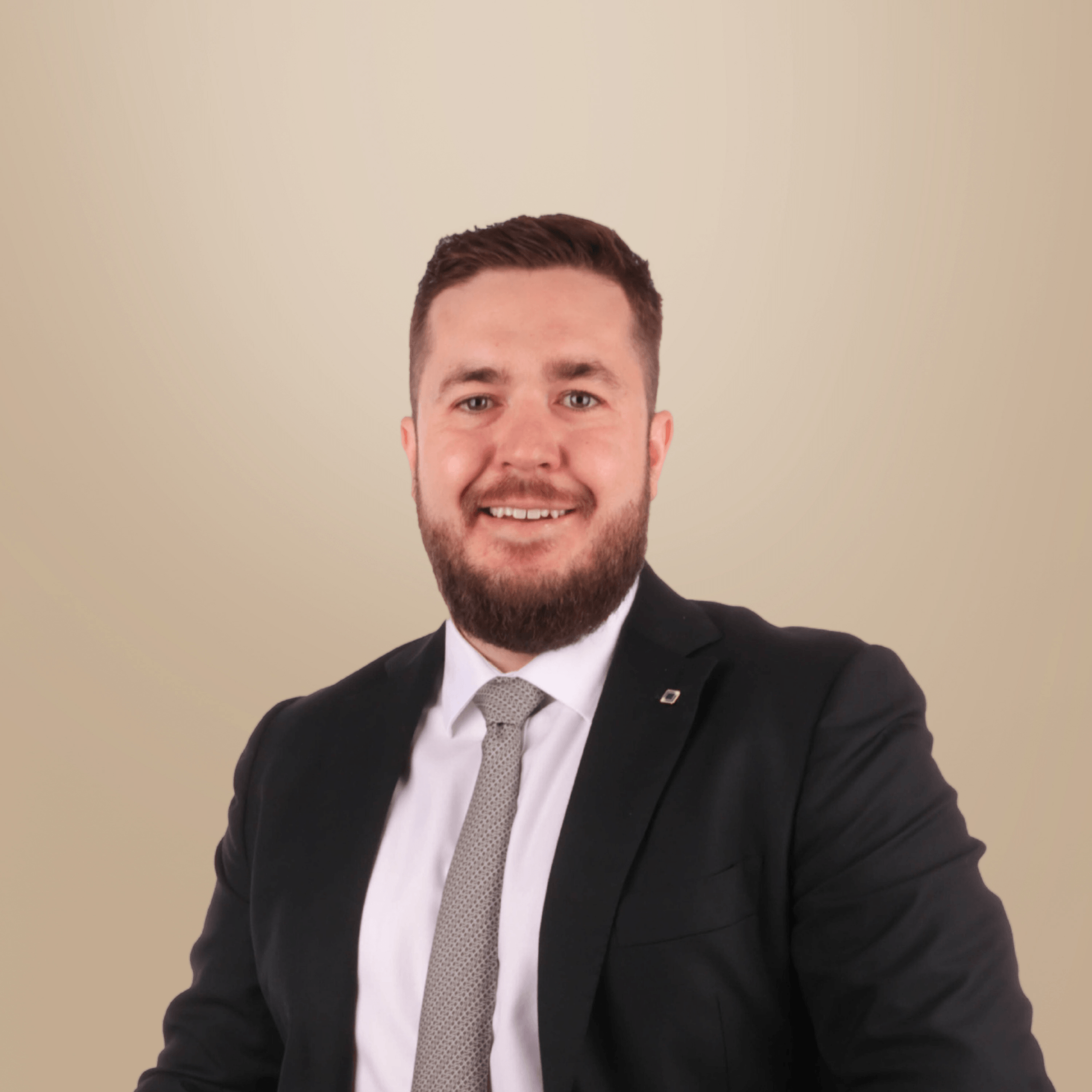
Dental Boutique Dentist
Dr Thomas Cocks (DEN0001780658) – Registered Dentist, General Registration.
Learn more
Dental Boutique Dentist
Dr Zanelle Harris (DEN0000989386) – Registered Dentist, General Registration.
Learn more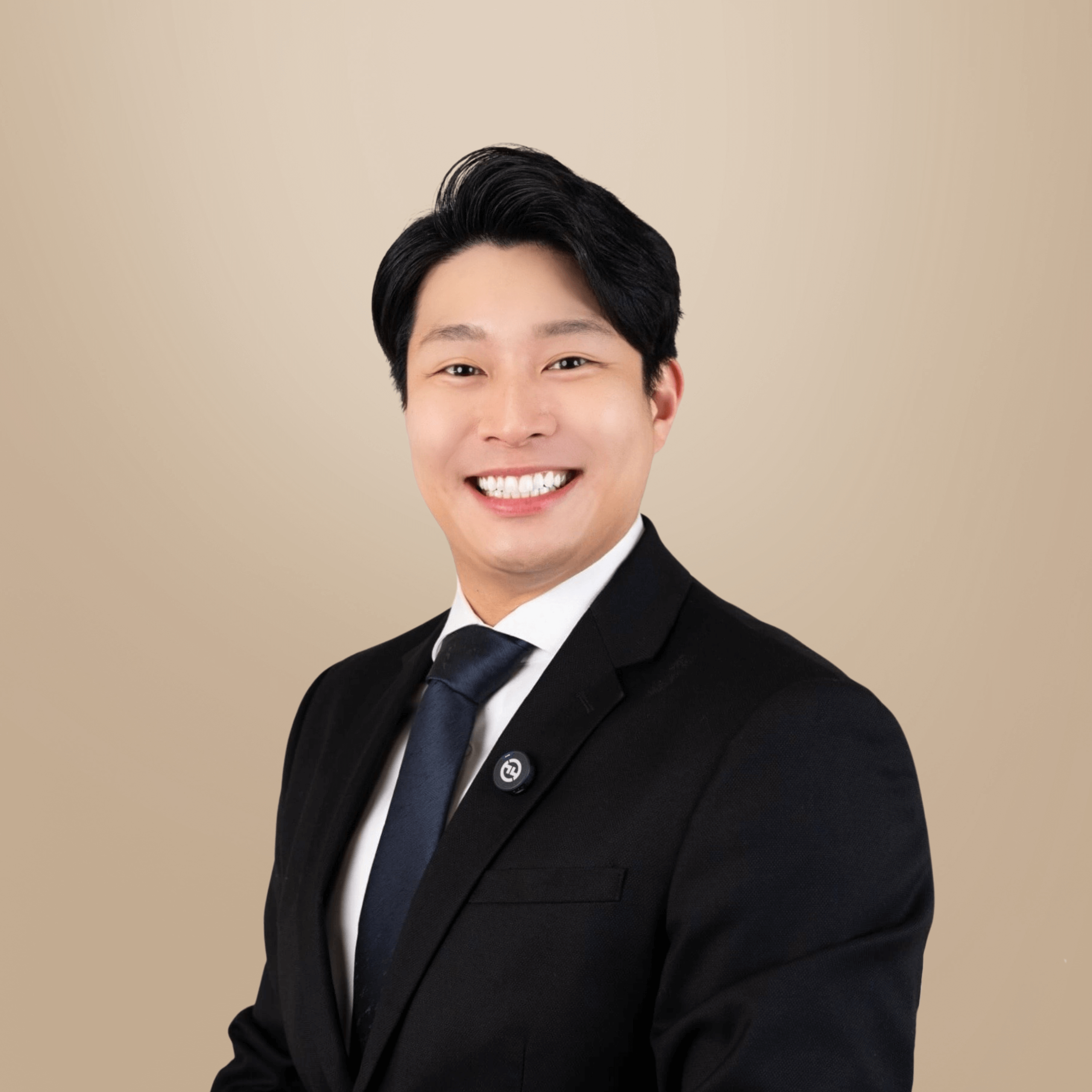
Dental Boutique Dentist
Dr Harry Kim (DEN0002226274) – Registered Dentist, General Registration.
Learn more
Dental Boutique Dentist
Dr Sun Park (DEN0002686890) – Registered Dentist, General Registration.
Learn more







In composite bonding, a tooth-coloured resin is bonded to the natural tooth to support small aesthetic adjustments. It can address light chipping, minor spacing or subtle shape refinement. Once placed and shaped, the material is polished to support a smooth appearance.
Composite bonding is typically suited to focused, minimal changes, while composite veneers cover the full front surface of the teeth and may be recommended for broader cosmetic concerns. The most appropriate treatment approach depends on your oral health, treatment goals and clinical assessment.
The longevity of composite bonding varies from person to person. Consistent dental care, gentle cleaning and avoiding excessive force may help maintain the bonding over time. Composite veneers are elective cosmetic procedures, and suitability is determined following a consultation with a registered dentist. Treatment risks and considerations can be found here.

At Dental Boutique™ Burnside, composite bonding can be considered for patients seeking subtle aesthetic refinements while maintaining a conservative approach to treatment. Depending on your goals and clinical assessment, treatment may assist with:
Composite bonding is commonly used to restore small chips affecting the appearance of a tooth.
Composite bonding is commonly used to restore small chips affecting the appearance of a tooth.
Where teeth appear uneven in length, bonding can help create a more balanced appearance.
Composite bonding is often considered for minor spacing between teeth.
In some cases, composite bonding may be considered for teeth with staining or discolouration that hasn’t responded to whitening treatments.
Composite bonding can be adapted to address a range of aesthetic concerns, from minor chips and spacing through to broader smile refinements. The most appropriate treatment option can only be determined following a consultation with a registered dentist, who will assess your oral health, treatment goals and clinical circumstances.
Single Tooth Bonding: Suitable for addressing concerns affecting a single tooth, this option can be considered for minor chips, small gaps or subtle shape refinements.
Multiple Teeth Bonding: May be considered for patients seeking aesthetic improvements across several teeth. Each tooth is treated individually, with resin applied in layers and polished to support a balanced appearance.
Edge & Length Adjustments: For teeth that are slightly shorter or worn, this option is able to assist in creating a more uniform appearance.
Gap Closure: May be considered for minor spacing between teeth. Resin is applied to help reduce gaps and create a more even appearance.
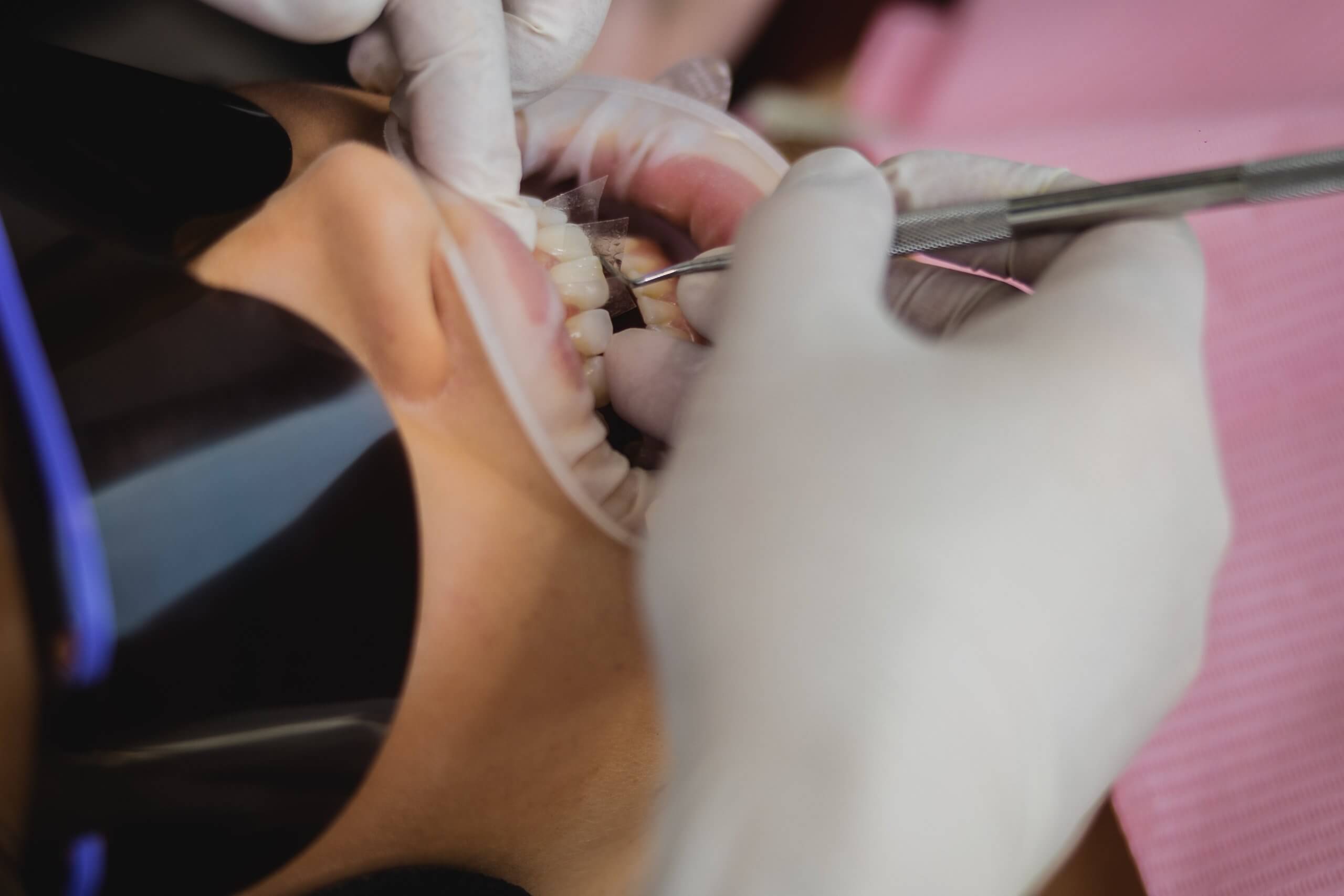
Your treatment begins with a consultation, where a registered dentist will assess your oral health and discuss your functional and aesthetic goals. Using advanced digital planning tools and high-resolution images, your dentist can explain suitable treatment options, outline what treatment may involve and answer any questions you have.
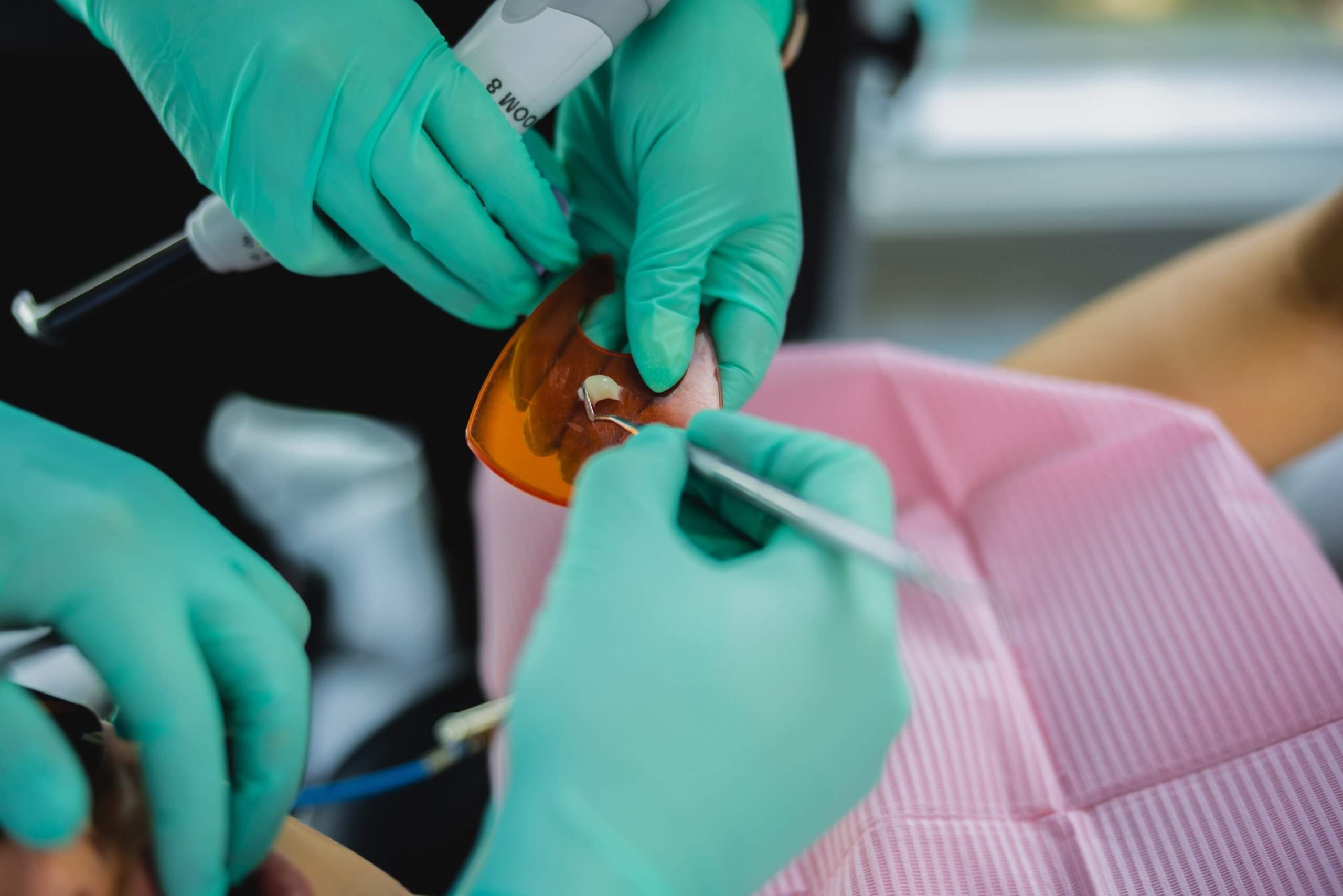
The tooth surface is gently prepared to support the bonding resin, with minimal adjustment to preserve natural tooth structure. Resin is applied in layers, with each layer shaped and set before the next. This layer-by-layer approach supports precise placement and refinement of the bonding. Depending on the number of teeth being treated, treatment can often be completed in a single visit.
Once the bonding material has been applied, attention turns to the finer details of the treatment. The resin is carefully shaped and polished, before your dentist reviews your bite and makes any adjustments. This final stage provides an opportunity to assess the bonded teeth and discuss any final questions before treatment is complete.
At Dental Boutique™ Burnside, composite bonding treatment is tailored to the individual, with costs varying accordingly. Factors such as the condition and alignment of your teeth, the number of teeth being treated and the complexity of treatment may influence the overall cost. Flexible payment options are available.
Prices are provided as a general guide only and do not constitute a quote. Final costs depend on your individual treatment plan following a clinical assessment by a registered dentist. Payment plans are provided through third-party providers and are subject to their eligibility criteria, terms, and conditions. Additional fees may apply. Please speak with our team or your provider for full details.

The outcomes shown in the videos above are only relevant to these patients and do not necessarily reflect the results other patients may experience. Treatment risks and considerations can be found here.
Discover our comprehensive composite bonding library, featuring practical advice, treatment insights, and answers to frequently asked questions:
Composite bonding may be more susceptible to staining or chipping over time than other treatment options, such as porcelain veneers. The longevity of composite bonding varies from person to person. Following treatment, your dentist will provide guidance on caring for your bonded teeth.
Be mindful of staining foods and drinks: Beverages such as coffee, tea and red wine may contribute to staining over time.
Avoid smoking: Smoking can affect both the appearance of the bonding and your oral health.
Protect your bonding from damage: Avoid chewing on hard objects such as ice, pens or fingernails, as this can place unnecessary pressure on the bonding.
Keep up with regular dental visits: Routine examinations and professional cleans allow your dentist to monitor the condition of the bonding and your overall oral health.
Contact your dentist if anything changes: If you notice changes to your bonding, bite or comfort, contact your dentist for advice. In some cases, repairs or touch-ups may be recommended.

Following composite bonding treatment, most patients can return to their normal activities shortly after their appointment. Some mild sensitivity may occur following treatment, although this is typically temporary.
Before you leave, your dentist will provide guidance on caring for your bonded teeth at home, including recommendations relating to eating, drinking and oral hygiene.
Results may vary between individuals. For more information on treatment risks and considerations, please see here.
Located at 371 Greenhill Road, Toorak Gardens, our Burnside clinic sits directly opposite Burnside Village. Convenient parking is available nearby, and the clinic is easily accessible by public transport.
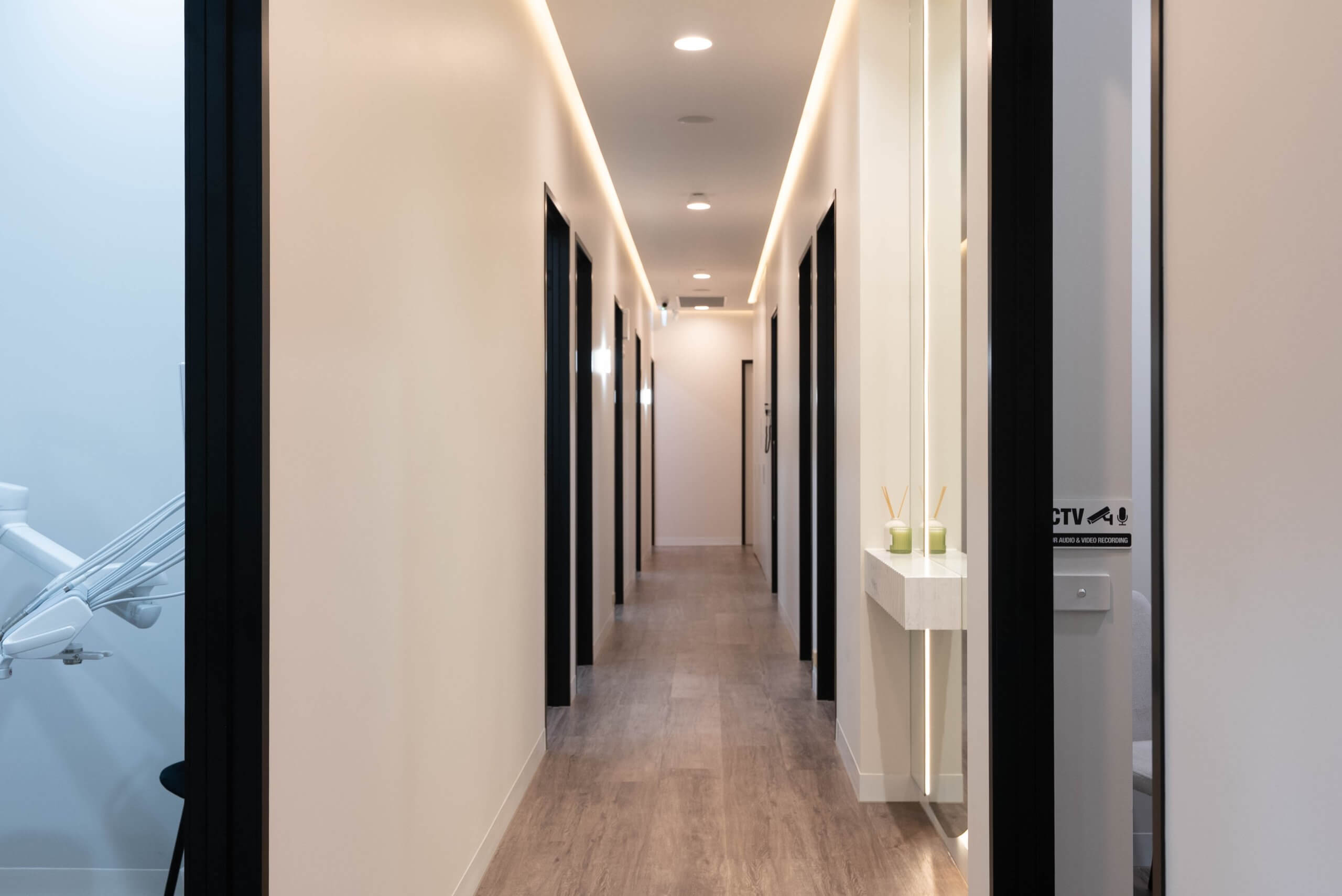
Dental Boutique™ Burnside
()
Address
371 Greenhill Rd, Toorak Gardens SA 5065
Phone
1300 327 6453 (1300 DB SMILE)
OPENING HOURS
Monday to Friday: 8:30 am - 5:30 pm
Saturday to Sunday: Closed
Composite bonding may be considered for patients with minor tooth chips, small gaps, discolouration or mild misalignment. Suitability for treatment will be assessed by a registered dentist during a consultation.
Composite bonding can last for several years; however, longevity varies depending on factors such as oral hygiene, diet, bite forces and individual habits.
Composite bonding is not stain-proof and may become discoloured over time. Maintaining good oral hygiene, limiting exposure to staining foods and drinks, and attending regular dental appointments may help minimise staining.
Maintaining good oral hygiene, avoiding hard objects and attending regular dental appointments are recommended. In some cases, touch-ups or repairs may be suggested to maintain the condition of the bonding.
Yes. A registered dentist can adjust, replace or remove bonded resin where clinically appropriate.
Many composite bonding treatments can be completed in a single visit; however, the number of appointments required will depend on your individual circumstances and treatment requirements.
Digital planning tools, high-resolution photography and other diagnostic technologies may be used to help plan and guide treatment, as well as provide a visual reference throughout the process.
Yes. Dental Boutique™ Burnside is equipped to provide consultations, treatment and follow-up care at the one location.
At our Burnside clinic, we offer free smile discovery sessions with our registered dental team. These sessions give you the opportunity to explore your suitability, discuss options, and develop a personalised treatment plan tailored to your needs. To book a consultation, call 1300 327 6453 or use our online booking system.

At Dental Boutique™, we believe patients should feel informed about both their treatment and the costs involved. Payment plan options are available to help make this process easier to manage.
Enquire with our team