


If you’ve been researching veneers recently, you may have noticed more conversation around digital planning, precision, and enamel preservation. Veneer dentistry has evolved significantly over the past decade, with new technologies shaping how treatment is planned long before any work begins.
Astrae® is Dental Boutique’s digitally planned veneer workflow, developed to bring these advances into everyday clinical care. For people unfamiliar with digital veneer technology, understanding how this approach works can help clarify what’s involved and how it compares with more traditional methods.
How digital technology is changing veneer dentistry
Traditional veneer techniques have been used successfully for many years and remain an important part of cosmetic dentistry. Historically, planning relied on visual assessment, measurements, and clinician experience, with preparation carried out freehand.
Digital dentistry adds another layer to this process. Imaging, 3D planning, and guided tools allow dentists to visualise teeth in more detail before irreversible steps are taken. This supports more informed planning and allows treatment to be tailored to individual anatomy.
Astrae® is built around these digital principles, combining planning software, guided preparation, and smile simulation within a single workflow.
Traditional veneer preparation: key considerations
One of the most common questions people ask about veneers is whether teeth need to be “shaved down”.
With traditional veneer techniques, preparation is typically performed freehand, guided by the dentist’s judgement and experience. The amount of enamel adjustment required varies depending on tooth shape, position, and the intended aesthetic outcome.
Another consideration is the temporary veneer stage. In many traditional workflows, patients wear temporary acrylic veneers while final porcelain veneers are being made. This stage allows for design assessment but may involve sensitivity, aesthetic compromise, or additional appointments for some people.
These considerations have contributed to interest in digitally guided approaches that support more detailed planning earlier in the process.
What is digital heat mapping?
When learning about Astrae®, one of the terms patients often encounter is “digital heat mapping”.
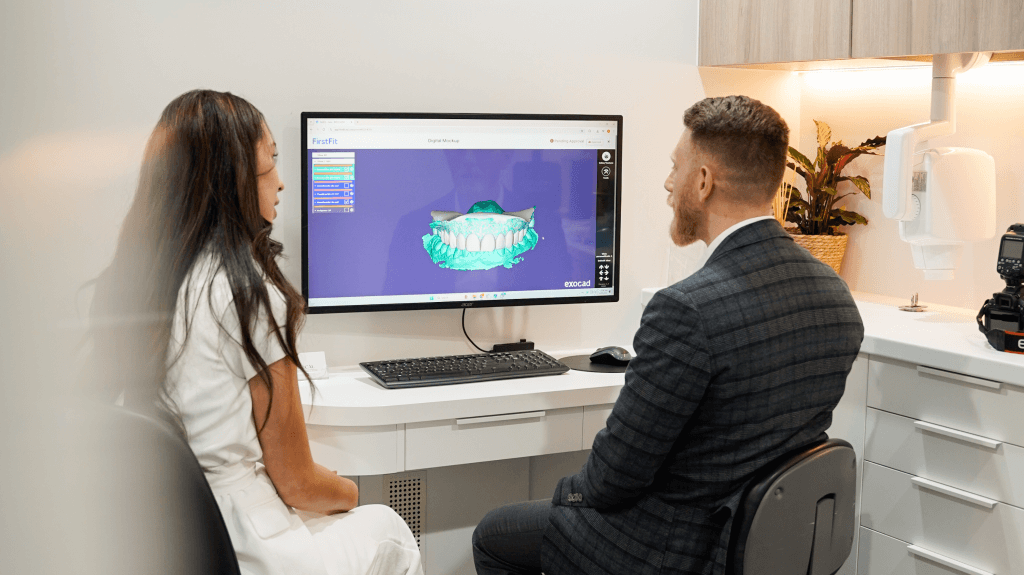
Digital heat mapping is a visual planning tool that helps dentists identify where enamel adjustment may be needed and where it may not. By analysing the tooth surface digitally, areas are highlighted based on the proposed veneer design, supporting preparation decisions before treatment begins.
A helpful way to think about it is like using Google Maps before a journey. Instead of adjusting direction as you go, the route is planned in advance, allowing for clearer decision-making.
The technology can visualise measurements at a very fine scale, down to fractions of a millimetre, helping shift preparation from estimation toward more data-informed planning.
How heat mapping supports minimal tooth preparation
Because heat mapping highlights where adjustment is genuinely required, it can help avoid unnecessary tooth preparation in areas where it’s not needed.
This allows enamel modification to be tailored to each individual tooth rather than applying uniform reduction across all surfaces, supporting a more conservative approach while still creating space for the planned veneer design.
The role of 3D Smile Simulation
Digital planning also allows proposed veneer designs to be visualised before any work begins.
Using 3D smile simulation, dentists can create a preview of the proposed veneer design, including general shape, size, and proportions. This allows patients to understand the direction of treatment and discuss preferences early, rather than relying on imagination alone.
In some cases, digital designs can be transferred temporarily to the teeth to provide a physical preview of the proposed changes. This allows patients to see and feel the design before proceeding, with adjustments made as needed to help align expectations.
Reducing reliance on temporary veneers
Traditional veneer workflows often involve wearing temporary veneers while final restorations are fabricated. While this stage plays an important role, it can be inconvenient for some patients.
With digitally planned workflows like Astrae®, many design decisions are addressed earlier. In suitable cases, this may reduce the need for extended temporary veneer wear, as shape and design are finalised earlier in the process.
Whether temporary veneers are required depends on individual circumstances and treatment planning.
Enamel preservation and why it matters
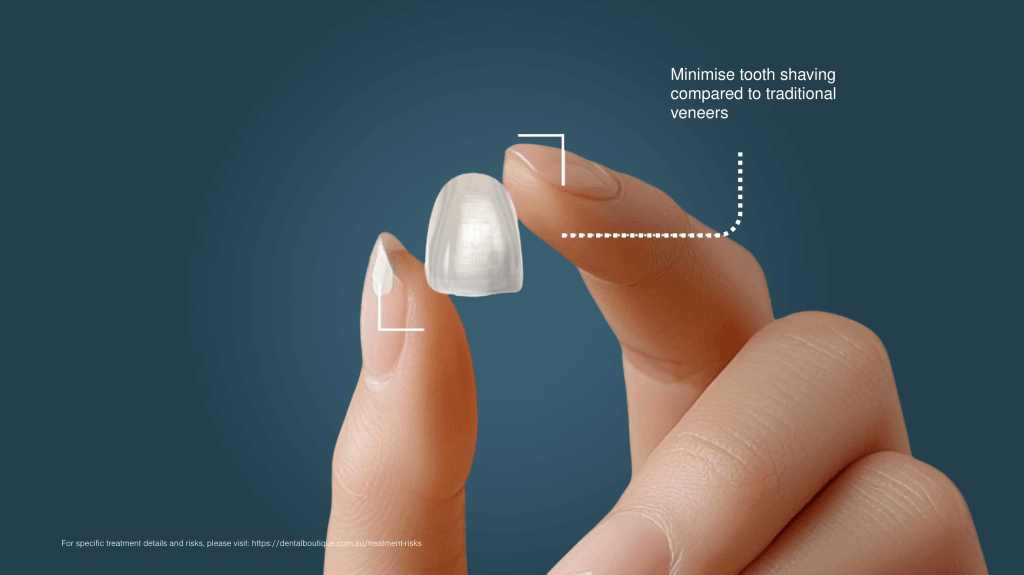
Enamel plays an important role in protecting teeth, and it doesn’t naturally regenerate once it is removed. For this reason, preserving enamel where possible is an important consideration in veneer planning.
Digitally guided workflows are designed to support conservative preparation by helping dentists visualise how much space is needed for veneers before treatment begins. Internal comparisons within the Astrae® system suggest this approach can preserve more tooth structure compared with traditional freehand methods, although individual outcomes vary.
Preserving enamel can help support long-term tooth health and maintain flexibility for future dental care.
Is digital veneer technology right for everyone?
Digital veneer workflows are not suitable for every situation. Factors such as tooth position, bite alignment, oral health, and individual goals all influence whether this approach is appropriate.
In some cases, traditional veneer techniques or alternative treatments may still be recommended. A dental consultation is required to assess suitability, discuss potential risks and benefits, and explore available options.
The future of cosmetic dentistry
As digital technology continues to evolve, its role in cosmetic dentistry is likely to expand further. Tools that support planning, simulation, and guided execution are becoming increasingly integrated into clinical workflows.
Dental Boutique’s continued investment in digital dentistry reflects a broader commitment to innovation and experience, with more than 50,000 veneers completed across our clinics.
Summary
- Astrae® Veneers use a digitally planned workflow to support more detailed veneer planning before treatment begins.
- Digital tools such as heat mapping and 3D smile simulation help dentists visualise proposed changes and plan enamel adjustment more precisely.
- Traditional veneer techniques remain an important option, with digital workflows offering an alternative approach in suitable cases.
- Conservative preparation and enamel preservation are key considerations in veneer planning, regardless of the technique used.
- Suitability for Astrae® or any veneer approach depends on individual oral health, tooth position, and treatment goals, which must be assessed during a dental consultation.