



From composite bonding and porcelain veneers through to hybrid veneers, there are now more veneer options available than ever before.
While this gives patients greater choice, it can also make comparing costs more confusing. Treatments that appear similar on the surface can involve very different materials, planning processes and levels of customisation, all of which can influence the final cost.
The other challenge is veneer treatments can vary significantly in approach. Some treatments are designed to address a single tooth, while others form part of a broader smile transformation.
Understanding these differences is the first step in understanding veneer costs.
What can influence the cost of dental veneers?
One of the biggest misconceptions about veneers is that they’re all the same treatment.
In reality, veneer costs can vary significantly depending on the materials being used, the number of teeth being treated and the level of planning involved.
A single composite veneer completed in one appointment is a very different treatment to multiple custom-made porcelain veneers that require smile design, laboratory fabrication and several stages of planning.
The following factors are some of the most common reasons veneer pricing can differ between treatments.
Why veneer costs can vary between patients
Two patients may both be considering veneers, yet receive very different treatment recommendations.
For example, one patient may be looking to improve a single chipped tooth with composite bonding, while another may be considering multiple porcelain veneers as part of a broader smile transformation. Although both treatments fall under the veneer category, the materials, planning and treatment processes involved can be very different.
This is one of the reasons veneer costs can vary significantly from one treatment plan to another.
The number of teeth being treated
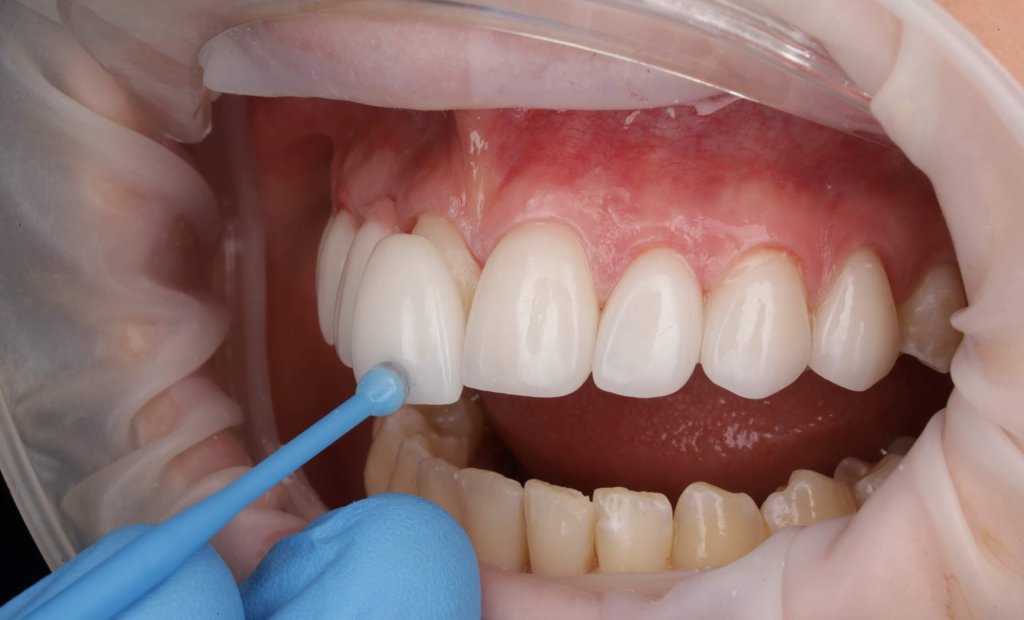
The number of teeth being treated is one of the biggest factors influencing the overall cost of veneers. While some patients may only wish to improve a single tooth, many veneer treatments involve multiple teeth to help create a balanced and symmetrical smile.
Depending on your goals, treatment may involve a small number of veneers or a complete smile makeover across the visible smile. A common treatment range is 6 to 10 veneers, as this often addresses many of the teeth visible when smiling.
As the number of veneers increases, so does the amount of planning, materials, laboratory work and clinical time involved.
The initial condition & arrangement of your teeth
Every smile presents its own set of considerations, factors such as tooth shape, spacing, alignment, wear and existing dental work can all influence the treatment approach being recommended.
In some situations, treatment may be relatively straightforward, while others may require additional planning to achieve the desired outcome.
Porcelain veneers vs composite veneers vs hybrid veneers
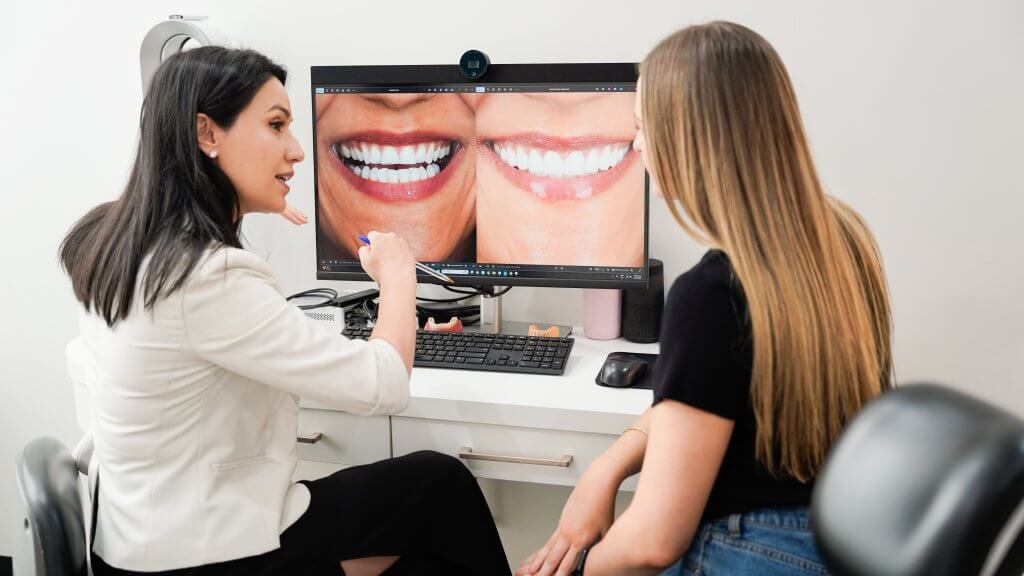
Not all veneers are made from the same materials, and different veneer options involve different treatment processes.
Composite veneers use a tooth-coloured resin material applied directly to the teeth and can often be completed in fewer appointments.
Hybrid veneers are custom-made restorations created from a blend of ceramic and composite materials. They are fabricated in a dental laboratory and generally sit between composite and porcelain veneers in terms of both cost and longevity.
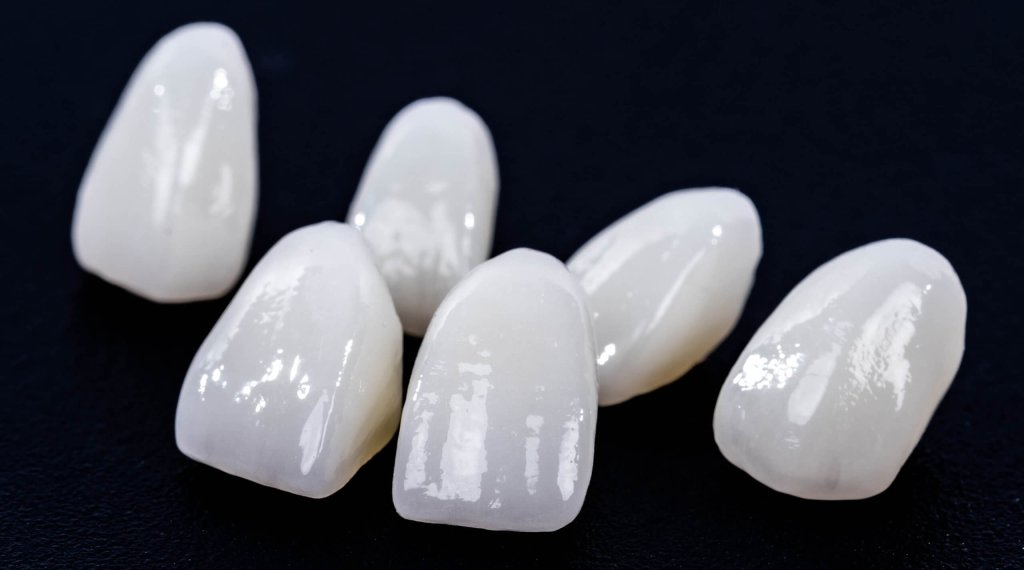
Porcelain veneers are also custom-made in a dental laboratory and are often chosen for their durability, stain resistance and highly customised appearance.
The type of veneer selected can influence both the treatment process and overall cost.
The type of veneer material used
The material used to create veneers can have a significant impact on cost. Composite veneers use a tooth-coloured resin material applied directly to the teeth, while hybrid and porcelain veneers are custom-made in a dental laboratory.
The material chosen can also influence the expected longevity of the veneers, with porcelain veneers generally lasting longer than composite veneers. Different materials have different characteristics, treatment processes and levels of customisation, all of which can influence pricing.
Your dentist will discuss the available options and whether they may be suitable for your individual circumstances.
Smile design, planning & trial stages
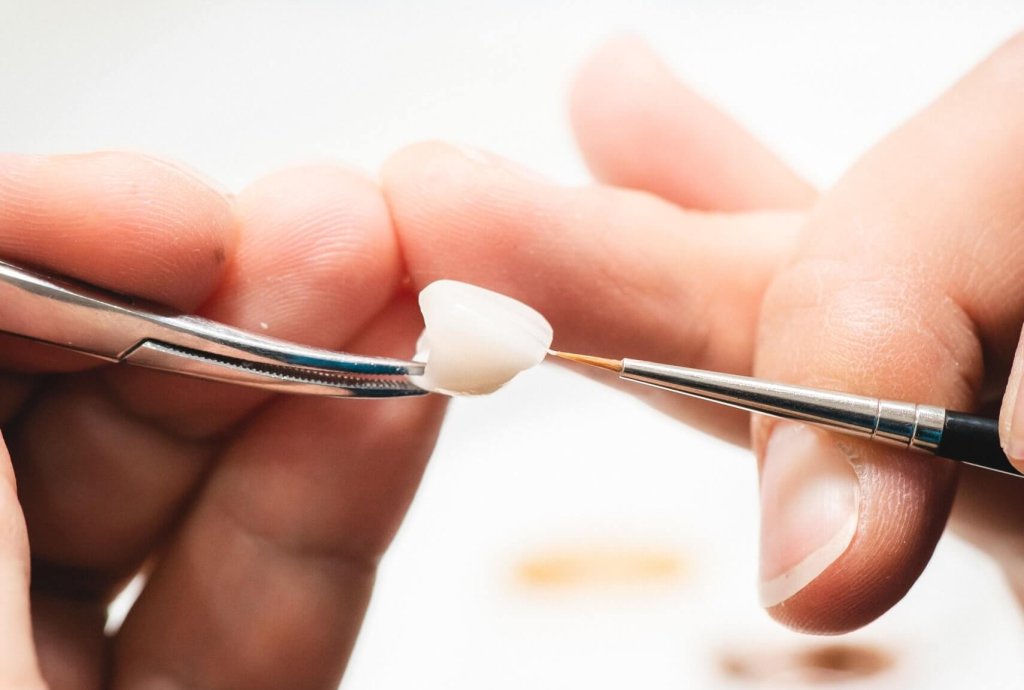
A lot of the work involved in veneer treatment happens before the final veneers are placed. Depending on the treatment being considered, this can include smile design, 3D scans, digital planning, trial smile stages and laboratory communication.
These steps help guide the design process and allow both the patient and dentist to evaluate different aspects of the proposed treatment before it’s finalised.
The amount of planning involved can vary considerably from one treatment to another and may influence the overall cost.
Dentist experience & ceramist involvement
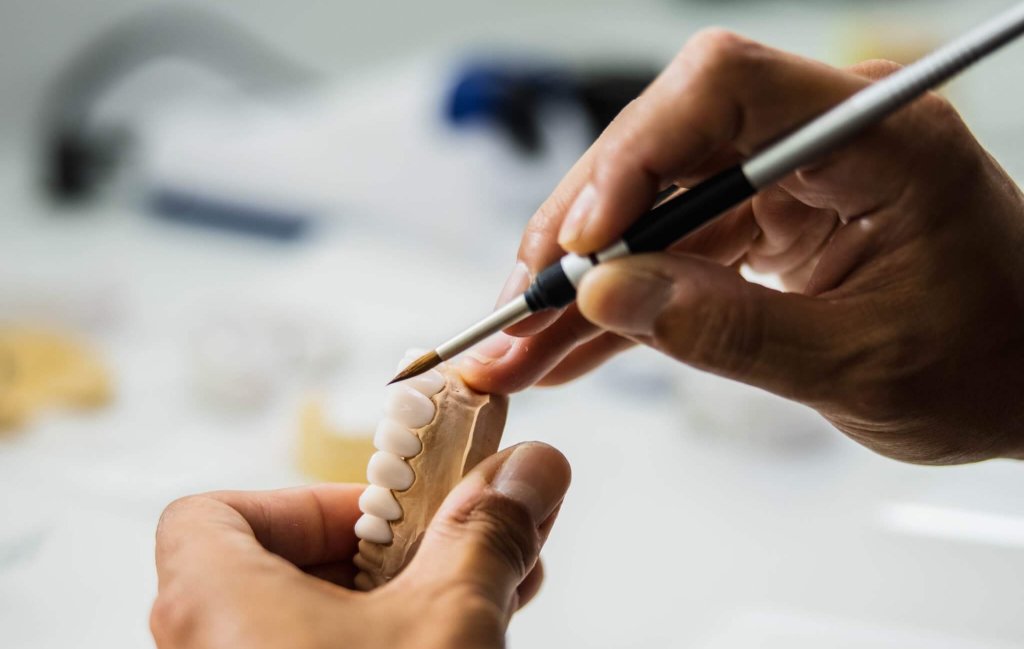
Creating veneers often involves collaboration between the treating dentist and a dental laboratory.
The level of customisation required, the complexity of the case and the amount of laboratory work involved can all influence treatment costs. In some situations, multiple stages of communication and refinement may be required before the final veneers are completed.
Any pre-treatment dental work needed
Not every patient is ready for veneers immediately; in some situations, additional dental treatment may be recommended before veneers are considered.
This can include replacing failing dental work, addressing oral health concerns or undertaking other preparatory treatment to help create a suitable foundation for the next stage of care.
In some cases, orthodontic treatment may also be recommended before veneers to improve tooth position, which can help reduce the amount of tooth preparation required.
Any recommended pre-treatment procedures may influence the overall treatment plan and cost.
Veneer options at Dental Boutique™
We offer several veneer options, each with different materials, treatment processes and levels of customisation.
Understanding the differences between these options can help explain why veneer costs vary and which treatment may be recommended for your individual circumstances.
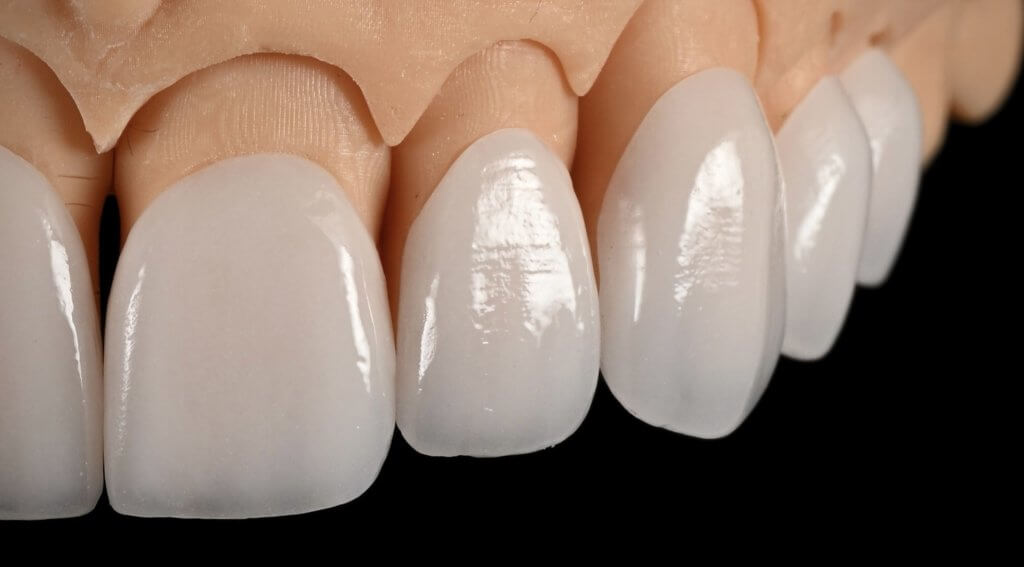
Astrae® veneers
Astrae® veneers are Dental Boutique’s most advanced porcelain veneer option.
Unlike traditional veneer treatment, Astrae® uses advanced digital heat mapping to plan treatment before veneers are placed. This technology allows dentists to identify where teeth may need to be adjusted and where natural tooth structure could be preserved.
As a result, Astrae® is designed around a more conservative preparation approach, helping to retain as much natural tooth structure as possible, where clinically appropriate, while still creating a highly personalised smile design.
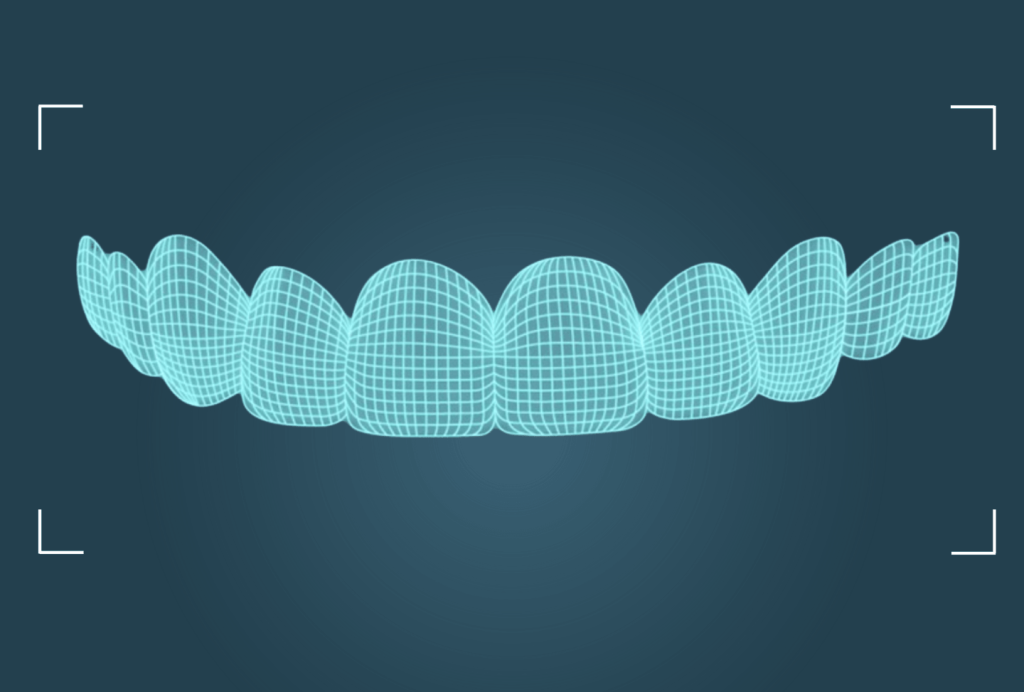
VeneerMe™ porcelain veneers
VeneerMe™ is Dental Boutique’s approach to porcelain veneer treatment. Porcelain veneers are ultra thin, custom-made coverings that are bonded to the front surface of teeth to improve their appearance.
They can be considered for concerns relating to tooth shape, size, colour, wear, spacing or overall smile aesthetics.
A key feature of the VeneerMe™ process is the Trial Smile stage, which allows patients to preview and provide feedback on their proposed smile before the final veneers are completed.
Combined with smile design planning and 3D scans, this helps create a highly customised result tailored to the individual.
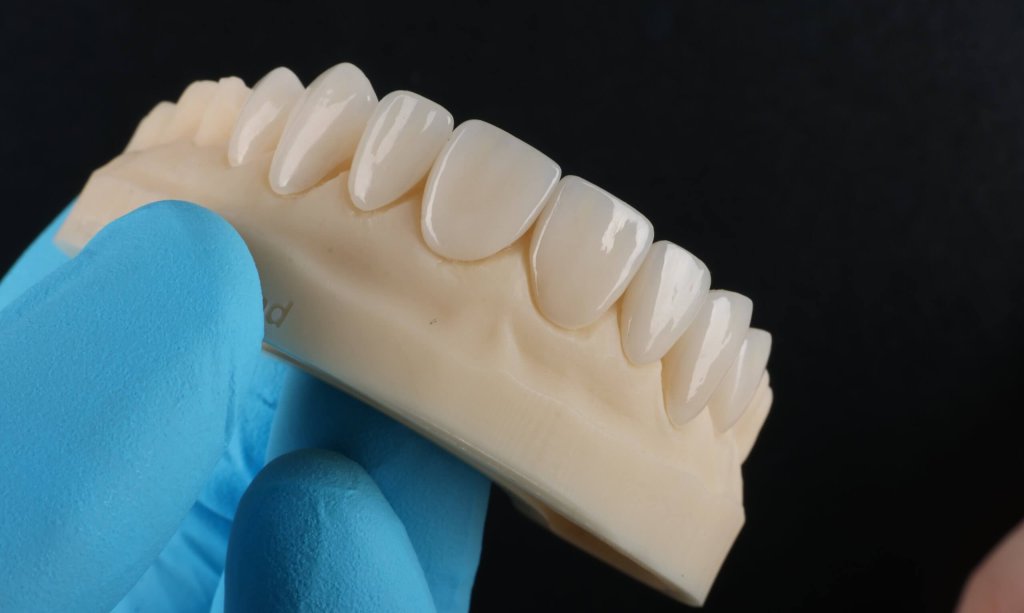
Hybrid veneers
Hybrid veneers combine elements of both porcelain and composite veneers.
They are custom-made in a dental laboratory like porcelain veneers but are created using a blend of ceramic and composite materials. This places them between composite and porcelain veneers in terms of cost, durability and longevity.
For patients comparing veneer options, hybrid veneers can offer a middle ground between the affordability of composite veneers and the strength and longevity typically associated with porcelain veneers.
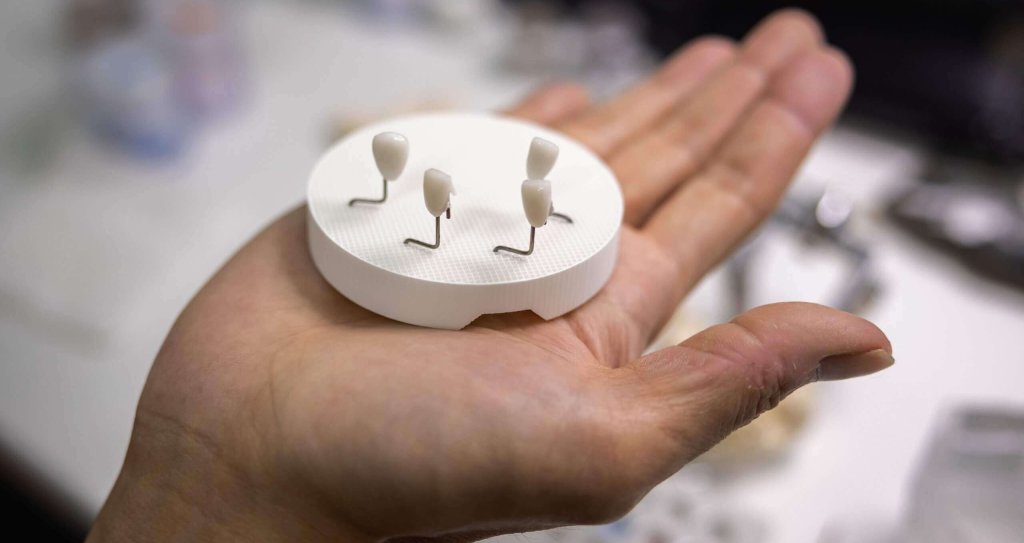
Composite veneers
Composite veneers use a tooth-coloured resin material that is applied directly to the teeth and carefully shaped by the dentist.
Unlike porcelain and hybrid veneers, composite treatment generally doesn’t require laboratory fabrication and can often be completed in fewer appointments. It’s usually considered for concerns such as minor chips, gaps, discolouration and slight irregularities in tooth shape or size.
Because the material is applied directly to the teeth, composite veneers and bonding can often provide a more conservative and cost effective treatment option for suitable patients. Although, an important consideration of composite resin is that it offers less durability and longevity.
Porcelain veneers cost
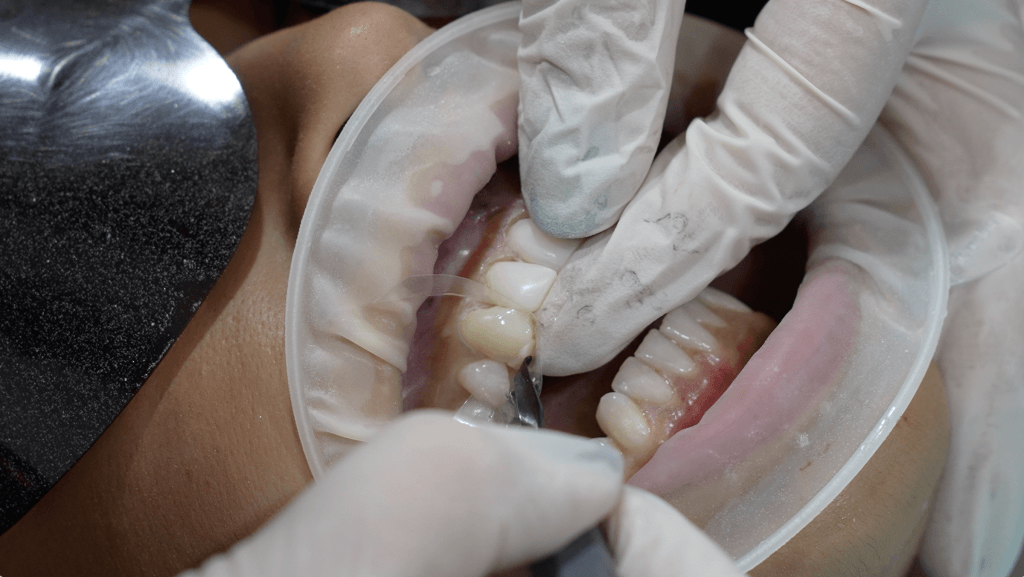
In Australia, porcelain veneers typically range from $1,200 to $2,500+ per tooth, depending on the complexity of the case, the number of veneers involved, and the clinic you choose.
At Dental Boutique™, every treatment plan is personalised to the individual, so your investment will reflect your specific smile goals and clinical needs and is something your dentist will walk you through in detail during your consultation.
Prices are provided as a guide only and do not represent a quote. Final costs will depend on your personalised treatment plan following a clinical assessment by a dentist.
Why porcelain veneers usually cost more
Porcelain veneers are individually designed and fabricated for each patient, which means the treatment process extends beyond the veneers themselves.
Depending on the treatment being performed, costs may reflect smile design, digital planning, laboratory fabrication, trial smile stages and multiple clinical appointments. The materials used, the level of customisation involved and the time required to complete treatment can all contribute to the overall investment.
How long porcelain veneers may last
Porcelain is a strong dental material that’s been used in dentistry for many years. With good oral hygiene, regular dental care and appropriate maintenance, porcelain veneers may last on average 10–15 years.
Longevity can be influenced by factors such as oral hygiene, bite forces, diet and lifestyle habits, meaning results will vary from person to person.
When porcelain veneers may be recommended
Porcelain veneers can be considered for a range of cosmetic concerns, including discolouration, worn teeth, chipped teeth, gaps between teeth and irregular tooth shapes.
They’re often chosen by patients seeking a highly customised treatment option or when multiple teeth are being treated as part of a smile makeover.
Your dentist will discuss whether porcelain veneers are suitable for your individual circumstances, including any alternatives that may also be appropriate.
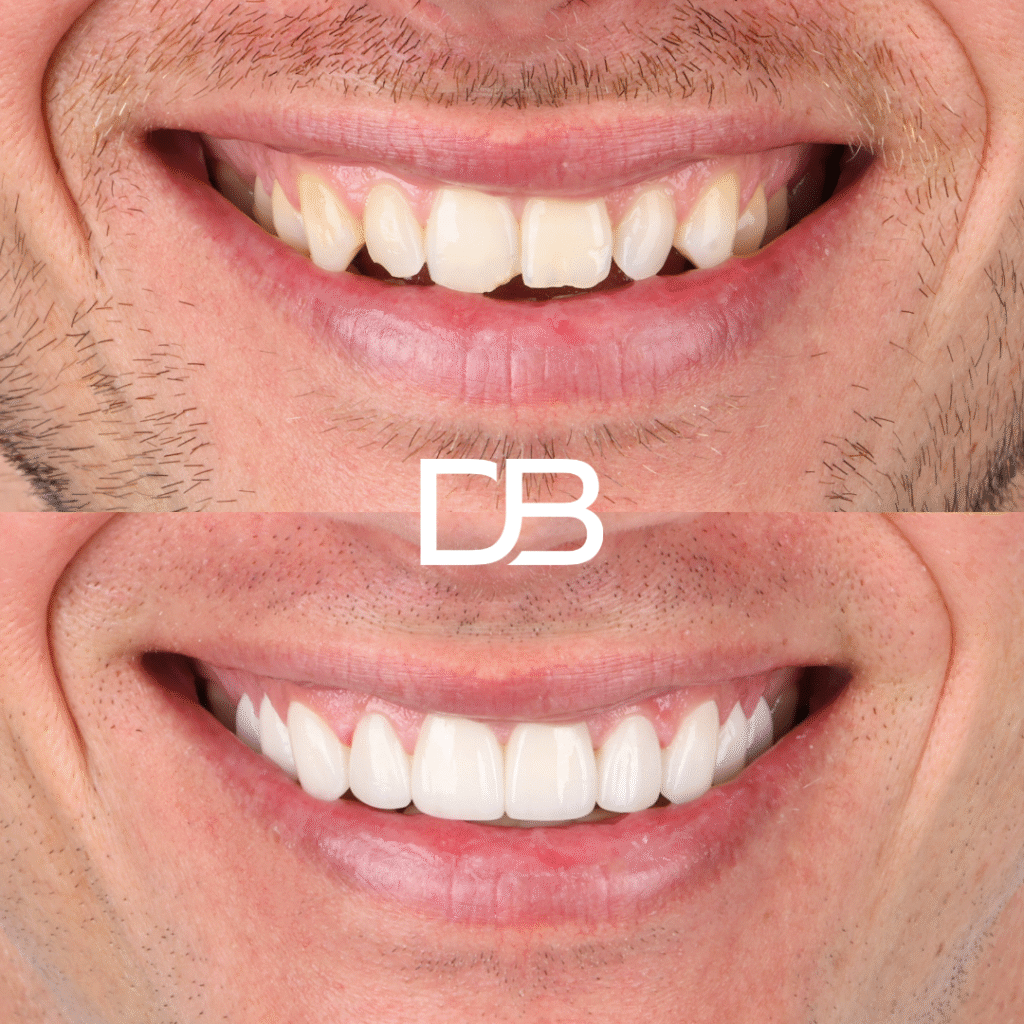
Image taken approx 1 week after procedure
Composite veneers cost
In Australia, composite veneers typically range from $400 to over $1,000 per tooth, depending on the complexity of the case, the materials used, and the experience of the treating clinician.
Composite veneers use a tooth-coloured resin material that is applied and shaped directly on the teeth by the dentist. Because laboratory fabrication is generally not required, composite veneers often sit at a lower price point than porcelain or hybrid alternatives.
Prices are provided as a guide only and do not represent a quote. Final costs will depend on your personalised treatment plan following a clinical assessment by a dentist.
How composite veneers differ from porcelain & hybrid veneers
The biggest difference is how the veneers are made. Porcelain and hybrid veneers are custom-made in a dental laboratory before being fitted to the teeth. Composite veneers are sculpted directly onto the teeth during treatment, allowing the dentist to shape and refine the material in real time.
When composite veneers may be suitable
Composite veneers could be suitable for patients looking to address minor cosmetic concerns or those seeking a more conservative treatment approach.
Your dentist will discuss whether composite veneers are appropriate for your circumstances, along with any alternative treatment options that may also be considered.
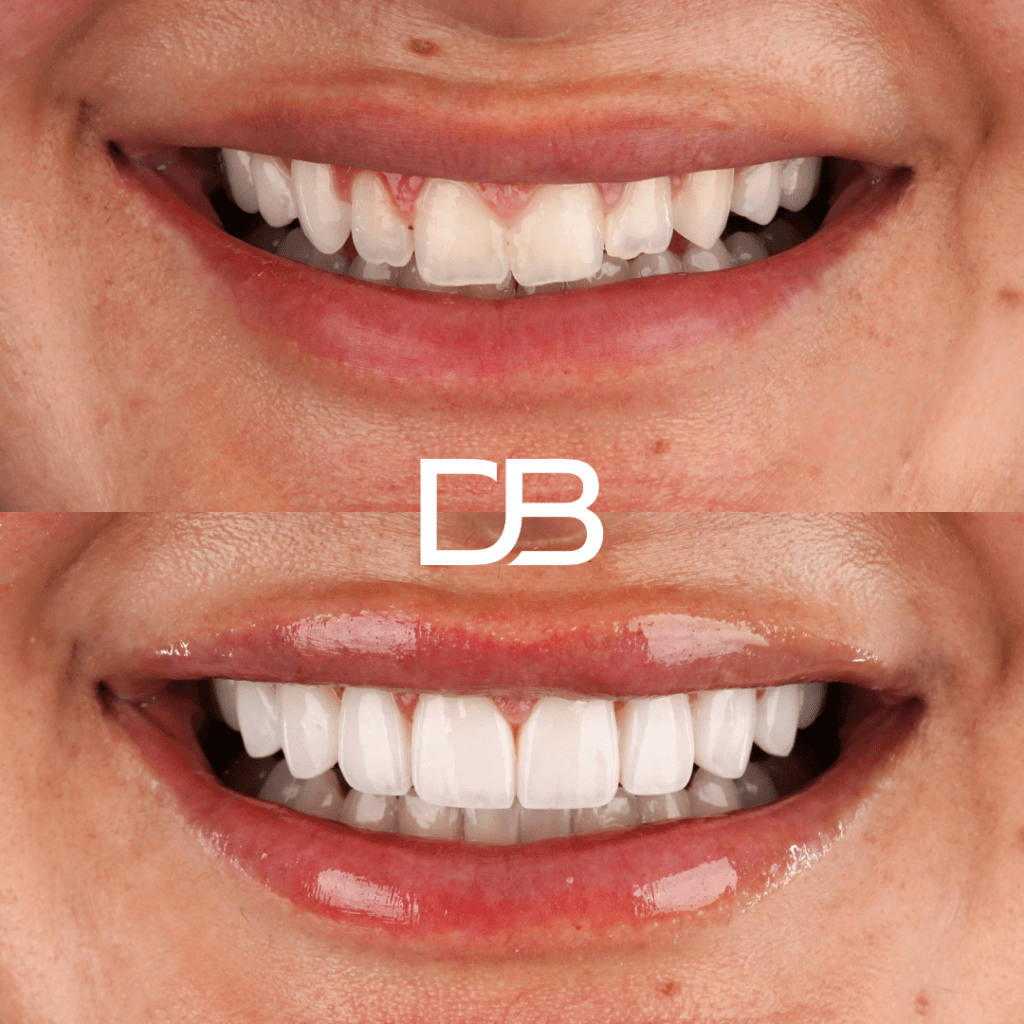
Image taken approx 1 week after procedure
How much do veneers cost for one tooth?
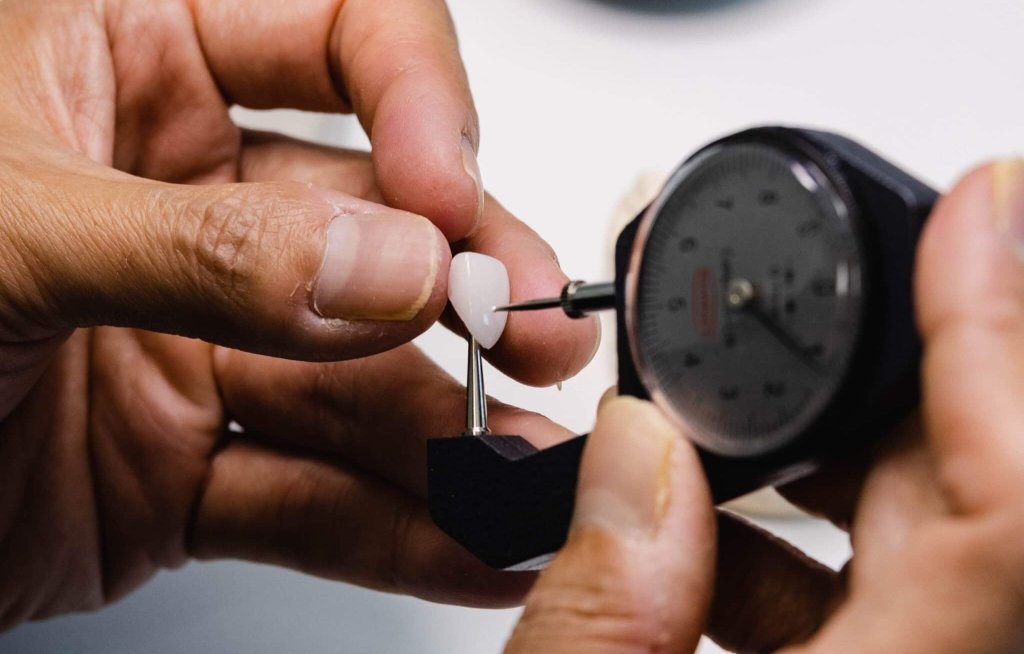
Not every veneer treatment involves multiple teeth, for example: a patient may only require a single veneer to improve the appearance of a chipped, worn, discoloured or damaged tooth.
The cost of a single veneer will depend on the type of veneer being used, the complexity of treatment and the amount of planning involved.
As a general guide in Australia:
- Composite veneers typically range from $400 to $1,500+ per tooth
- Hybrid veneers typically range from $800 to $1,800+ per tooth
- Porcelain veneers typically range from $1,200 to $2,500+ per tooth
Prices are provided as a guide only and do not represent a quote. Final costs will depend on your personalised treatment plan following a clinical assessment by a dentist.
Factors that can affect single tooth veneer pricing
While fewer teeth are being treated, single tooth veneers can sometimes present unique challenges.
Factors such as the position of the tooth, the material being used, the complexity of treatment and the need to match surrounding teeth can all influence the final cost.
Why colour matching is important for single tooth veneers
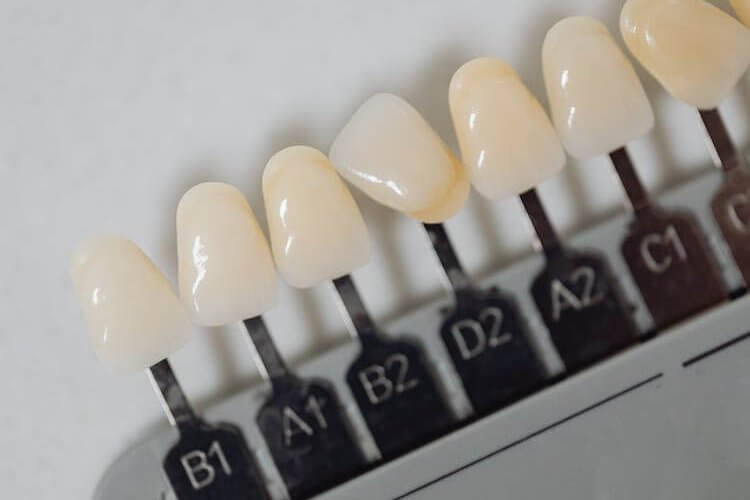
When treating a single tooth, the veneer should blend naturally with the surrounding teeth. Achieving this often involves careful shade selection, planning and customisation in order for the veneer to complement the rest of the smile.
In some situations, this process can be more complex than treating multiple teeth together, where all veneers are being designed as part of the same treatment plan.
What’s included in the cost of dental veneers?
While veneer costs are often discussed on a per tooth basis, treatment typically involves much more than the veneers themselves.
Depending on the treatment being performed, costs could also reflect consultation appointments, smile design, treatment planning, digital scans, laboratory fabrication and the placement of the final veneers.
Smile Discovery Session
For patients considering veneers, treatment begins with a Complimentary Smile Discovery Session with a registered dentist.
This appointment is designed to help you explore your options and understand whether veneer treatment may be suitable for your goals.
During your appointment, you’ll discuss:
- Your smile concerns and what you’d like to improve
- The different veneer options available
- Which treatment approaches could be suitable for you
- Expected treatment timeframes
- Indicative costs and payment plan options
- Any questions you may have about the treatment process
The Smile Discovery Session is valued at $240.
Please note that this appointment does not include a full dental check-up, X-rays, 3D scans or other clinical treatment. If additional diagnostic procedures are recommended, any associated costs will be discussed before proceeding.

Consultation, suitability assessment & treatment planning
No two smiles are the same, which is why treatment planning plays an important role in veneer treatment.
Recommendations can vary depending on factors such as the condition of your teeth, your smile goals, bite, existing dental work and the type of veneer being considered.
This planning process helps determine the most appropriate treatment approach for your individual circumstances and forms the foundation of your personalised treatment plan.

3D scans, smile design & visual planning
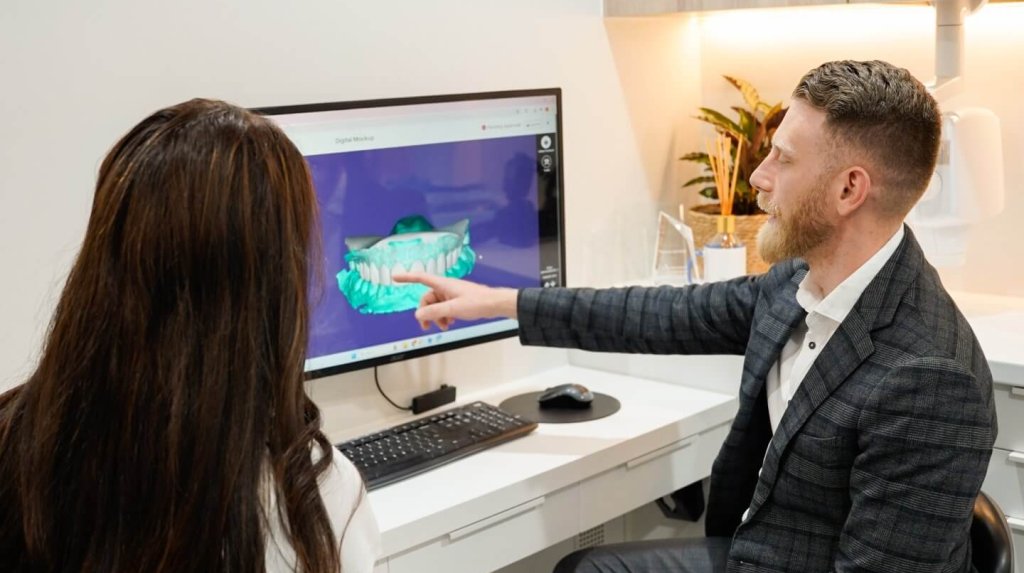
3D scans, smile design and visual planning form an important part of the veneer process. They allow your dentist to assess your teeth, smile, bite and facial features in greater detail while planning treatment.
They also help guide decisions around tooth shape, proportions and overall smile aesthetics, helping create a treatment plan tailored to the individual.
Digital planning tools and smile simulations are used to help communicate aspects of the proposed treatment before veneers are placed, allowing patients to better understand the planned outcome and provide feedback throughout the process.
Temporary veneers, final placement & refinements
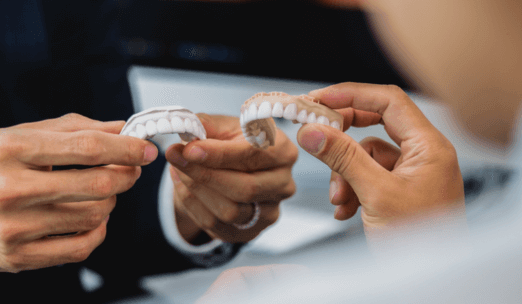
Depending on the veneer option being performed, temporary veneers may form part of the treatment process.
These stages allow patients to experience aspects of their proposed smile before the final veneers are completed, providing an opportunity to assess factors such as shape, size and overall appearance. Feedback can then be incorporated into the final design where appropriate.
Once the final veneers are ready, they are carefully fitted and reviewed by the dentist. Small refinements may be made where necessary before treatment is completed.
Are veneer payment plans available at Dental Boutique™?
Yes, payment plan options are available for eligible patients undergoing veneer treatment at Dental Boutique™. Payment plans can help spread the cost of treatment into smaller regular repayments rather than paying the full amount upfront.
During your Smile Discovery Session, your dentist or patient coordinator can discuss available payment options and help you understand which solutions may be suitable for your circumstances.
Payment plan options are provided through third-party providers and are subject to their eligibility criteria, terms and conditions. Additional fees may apply.
Why a consultation is needed for an accurate quote
While online pricing guides can provide a useful starting point, they cannot account for the many factors that influence veneer treatment.
The type of veneer being considered, the number of teeth being treated and the recommended treatment approach can all affect the final cost. A consultation allows your dentist to assess your smile, discuss your options and provide a personalised quote based on your circumstances.

Risks & considerations of choosing veneers based on cost alone
Cost is an important consideration, but it shouldn’t be the only factor when comparing veneer options.
Different veneer materials, treatment processes and levels of planning can influence not only the cost of treatment but also factors such as durability, longevity and overall customisation. The most affordable option is not always the most appropriate option for every smile.
A consultation allows your dentist to discuss the advantages, limitations and considerations of each treatment option, helping you make a more informed decision based on your goals and circumstances.
Summary
- Veneer costs can vary depending on the type of veneer being used, the number of teeth being treated and the complexity of treatment.
- Composite veneers typically range from $400 to $1,500+ per tooth in Australia
- Hybrid veneers typically range from $800 to $1,800+ per tooth in Australia
- Porcelain veneers typically range from $1,200 to $2,500+ per tooth in Australia
- Different veneer options involve different materials, treatment processes and levels of customisation.
- Smile design, 3D scans, digital planning and laboratory fabrication can all contribute to the overall treatment process.
- Payment plan options are available for eligible patients.
- A personalised consultation is required to determine the most appropriate treatment option and provide an accurate quote.