





Professional teeth whitening is often considered by people looking to lighten the shade of their teeth under the care of a dental practitioner. Before starting treatment, it’s worth taking the time to understand how whitening works, how to prepare, and whether it’s appropriate for your teeth.
This guide outlines what to consider before getting your teeth whitened, so you can approach treatment with realistic expectations and a clear understanding of the process.
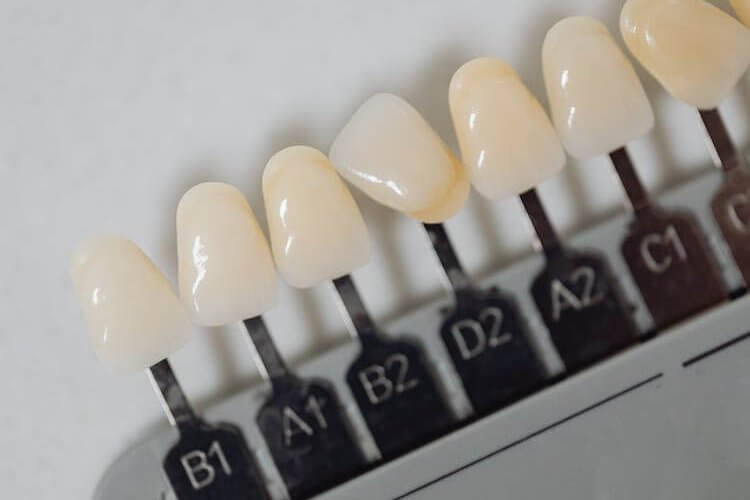
How to prepare for teeth whitening
Preparing for teeth whitening doesn’t need to be complicated. In most cases, it’s simply about giving your dentist the right information and allowing enough time for your teeth and gums to be in a suitable condition before treatment.
Rather than focusing on results, preparation helps support comfort and allows whitening to be planned in a way that suits your teeth. The steps below are commonly recommended and are intended to make the process smoother, not more involved.
Everyone’s starting point is a little different, which is why preparation is usually guided by a dental assessment rather than a one-size-fits-all checklist.
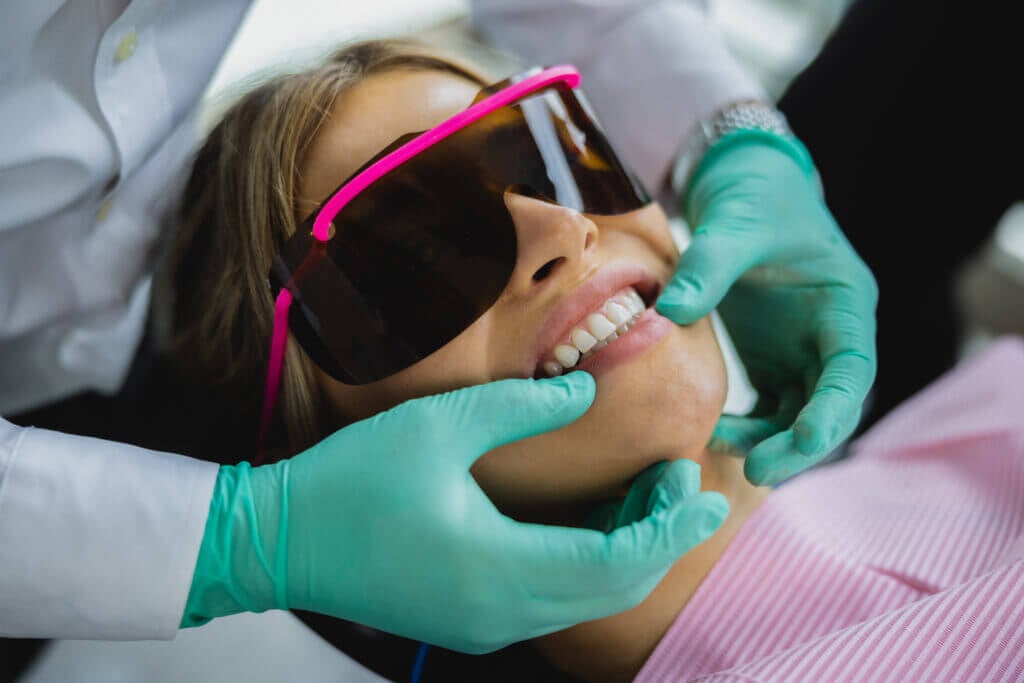
Planning ahead for teeth whitening
Once you have a general sense of what preparation involves, timing becomes the next piece to consider. Planning ahead can make the process feel more manageable and allows any recommended steps to be spaced out comfortably.
The outline below reflects how preparation is often approached in practice, although exact timing can vary depending on individual oral health and the type of whitening being considered.
Around four weeks before
This is often a good time to book a dental consultation. Your dentist can assess your teeth and gums, discuss whether whitening is appropriate, and identify anything that may need to be addressed beforehand.
Around two weeks before
If tooth sensitivity is a concern, this is commonly when professional dental desensitising agents can be applied and a desensitising toothpaste may be introduced. Any recommended dental care, such as managing gum inflammation or completing minor restorative work, can also be carried out during this period.
One week before
A professional teeth cleaning is often recommended at this stage. Removing plaque and tartar can improve the overall appearance of the teeth and help whitening agents work more evenly across the tooth surface.
The day before
Gentle oral care is usually advised. Avoiding aggressive brushing or flossing can help keep the gums settled ahead of treatment.

Why a dental check comes first
Before moving ahead with teeth whitening, a dental check plays an important role in determining whether treatment is appropriate at that time. Even when teeth appear healthy, a dentist can identify factors that may affect comfort or how teeth respond to whitening, and guide preparation accordingly.
Gum health
If gums are inflamed or sensitive, such as with gingivitis, this is typically addressed before whitening. Whitening solutions may irritate already inflamed tissue, which can increase discomfort during treatment.
Tooth health
Whitening is generally not recommended when there are untreated cavities, leaking fillings, or damaged teeth. Whitening agents may reach sensitive areas and cause pain if underlying issues are present.
Enamel thickness and exposed dentine
Teeth whitening works by lightening the colour of natural tooth enamel. When enamel has been worn down over time, it can become thin, allowing the underlying dentine to show through. Dentine is naturally more yellow and does not respond to whitening in the same way as enamel, which can limit the overall whitening result.
Similarly, when gums recede, the root surface of the tooth may become exposed. Tooth roots are made of dentine rather than enamel, and whitening treatments are generally less effective in these areas. A dental check allows these factors to be identified and discussed before whitening begins.
Dental bonding and tooth-coloured fillings
Whitening treatments affect natural tooth enamel only. Existing bonding or tooth-coloured fillings will not change colour. If restorations were matched to your current tooth shade, they may appear more noticeable after whitening and may need to be reviewed.
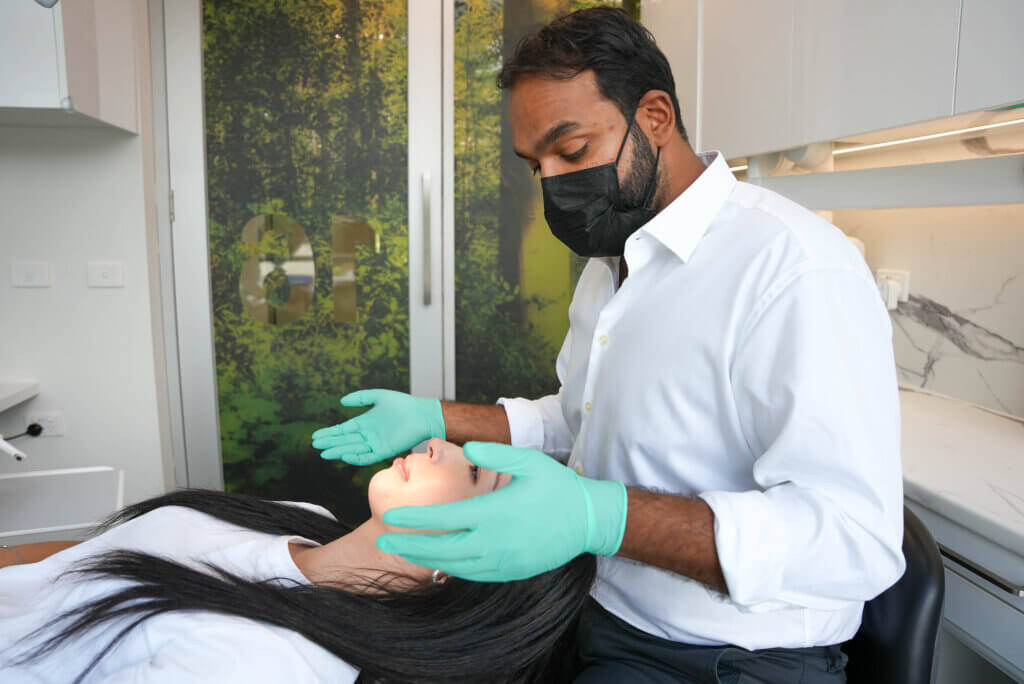
Teeth whitening options
There are several professional whitening approaches, and suitability varies depending on individual circumstances.
In-chair teeth whitening
This treatment is carried out in the dental clinic under professional supervision. A whitening gel is applied to the teeth for a controlled period of time.
Take-home whitening kits
Dentist-approved take-home kits are designed for gradual whitening over a longer period. They may be recommended for people who prefer at-home treatment or who are more prone to sensitivity.
Combination approach
In some cases, in-chair whitening may be combined with take-home trays to help maintain or refine whitening outcomes over time.
More information about professional options is available on our teeth whitening page.
Why preparation matters
Skipping preparation steps does not usually prevent whitening from going ahead, but it can increase the likelihood of discomfort or uneven colour changes.
For example:
- Whitening on inflamed gums may lead to irritation
- Whitening teeth with untreated decay can cause pain
- Skipping a professional clean may affect how evenly teeth respond
Taking time to prepare allows whitening to be planned on healthier teeth and gums, which supports comfort and predictability.
Brushing, eating & other practical considerations
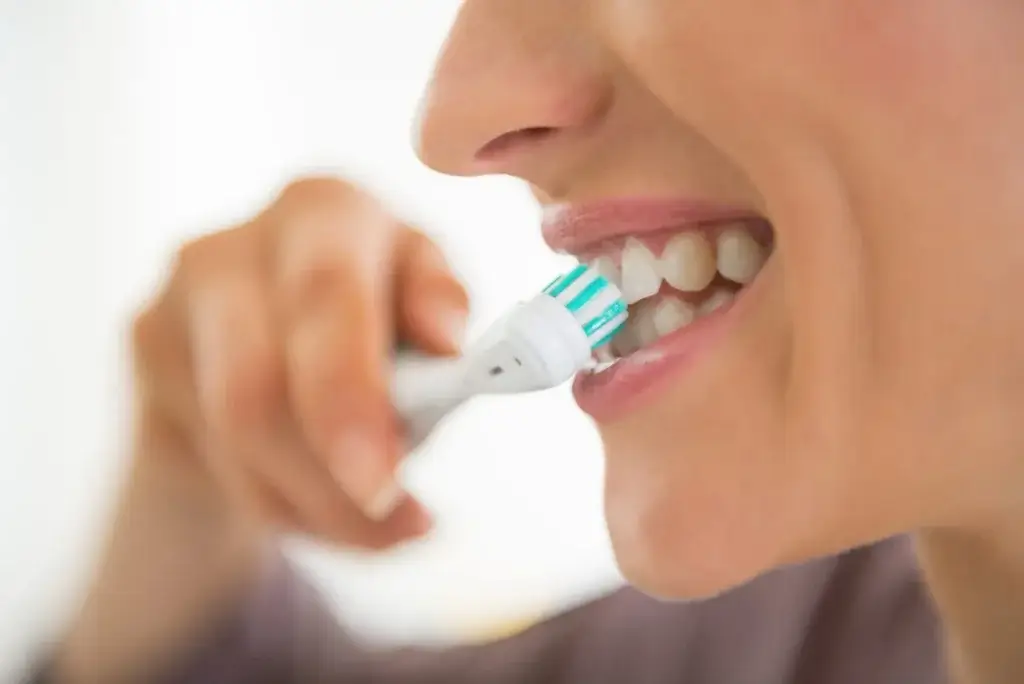
Brushing and flossing before whitening is usually recommended, but timing matters. Brushing immediately before treatment may irritate the gums. Allowing around one hour between brushing and whitening gives the gums time to settle.
Eating one to two hours before a whitening appointment is generally fine. Eating immediately beforehand is not recommended. If you do eat, brushing and flossing afterwards should be followed by enough time for the gums to recover before treatment begins.
If you are using a dentist-approved take-home whitening kit, your dentist may advise gently drying your teeth before applying trays or strips. This is usually done by lightly wiping away saliva, taking care not to irritate the gums.
Aftercare considerations
After whitening, your dentist will usually provide guidance on aftercare. This often includes avoiding foods and drinks that are dark, acidic, or highly pigmented for a period of time, commonly up to 48 hours.
This period is sometimes referred to as a “white diet” and may include foods such as rice, poultry, eggs, yoghurt, porridge, and bananas. Drinks such as coffee, red wine, and soft drinks are usually avoided during this time.
Summary
- Having stable oral health is an important consideration before teeth whitening
- Allowing time for preparation supports appropriate treatment planning and comfort
- Understanding whitening options helps guide informed decisions
- Preparation plays a role in reducing avoidable issues, rather than rushing into treatment